
Damage Restoration in Heber, UT
- Damage Restoration Services Overview
- Common Damage Restoration Issues in Heber, Utah
- Neighborhoods We Serve in Heber
- Seasonal Damage Patterns in Heber
- Housing Characteristics & Restoration Considerations
- Environmental Conditions & Damage Implications
- Frozen Pipes, Vacant Cabins, and Winter Water Loss in the Heber Valley
Damage Restoration Services Overview
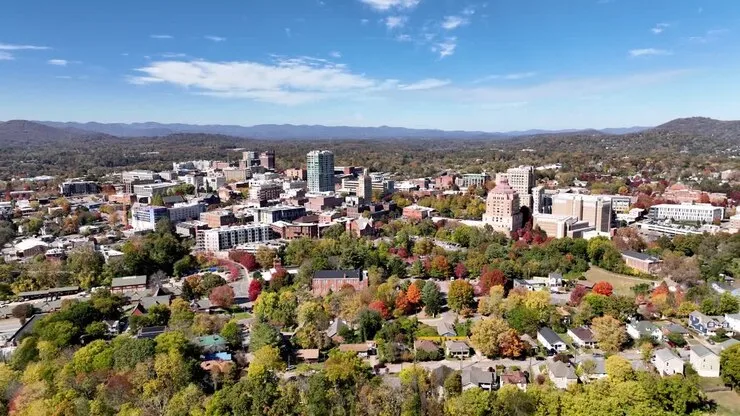
Heber sits at roughly 5,600 feet in the Heber Valley, where hard freezes, heavy snow loads, and rapid spring melt create restoration challenges you simply don't see in lower-elevation Utah cities. Homes here range from century-old farmhouses along Main Street to newer subdivisions climbing the benches - each with its own vulnerabilities when water, fire, or mold takes hold.
Full-service restoration in this valley covers the entire spectrum of property emergencies:
- Water Damage Restoration - extraction, thermal imaging moisture mapping, structural drying, and rebuild after burst pipes, appliance failures, and roof leaks
- Flooded Basement - pump-out, dehumidification, and salvage assessment for finished basements common in Heber's newer builds
- Sewage Cleanup - biohazard-grade removal, disinfection, and disposal after septic backups and municipal line failures
- Fire Damage Restoration - stabilization, debris removal, content pack-out, and structural reconstruction
- Smoke Damage Restoration - soot removal, thermal fogging, HVAC decontamination, and odor neutralization from woodstoves, chimneys, and wildfire smoke
- Mold Removal - containment, HEPA filtration, affected material removal, and antimicrobial treatment
The benefit for Heber homeowners is straightforward: faster drying means fewer materials lost, lower mold risk, and cleaner insurance documentation from the first hour on site.
Common Damage Restoration Issues in Heber, Utah
Wasatch County's climate does most of the damage. Long sub-freezing stretches, deep snowpack, and dramatic day-night temperature swings put constant stress on plumbing, roofing, and foundations.
Leading Causes of Loss
- Frozen and burst pipes - uninsulated lines in crawlspaces, garages, and exterior walls of cabins that sit vacant between visits
- Ice dams - snow melting over warm attics refreezes at the eaves, forcing water back under shingles and into ceilings
- Spring runoff - saturated soils and rising groundwater push moisture through foundation walls and window wells
- Septic and sewer backups - older rural systems in outlying areas overwhelmed by frozen ground or heavy flow
- Woodstove and chimney fires - a real risk in homes relying on supplemental heat through long winters
- Hidden mold - slow supply-line drips behind cabinets and vanities that go unnoticed for months
Warning Signs Heber Homeowners Should Act On
- Musty or earthy odors in a basement, crawlspace, or closet - especially after snowmelt
- Staining, bubbling paint, or a soft spot on a ceiling below the attic line
- Icicle curtains along one section of roof edge, indicating an ice dam forming
- Slow floor drains or gurgling toilets - often the first hint of a sewer line problem
- Soot film on windows or a lingering campfire smell that returns when the furnace runs
- Allergy-type symptoms that improve when occupants leave the house
Neighborhoods We Serve in Heber
Coverage extends across Heber City and the surrounding Heber Valley, including established downtown blocks and newer development on all sides of town.
- Downtown Heber and the historic Main Street corridor
- Valley Hills Drive and adjacent bench subdivisions
- Red Ledges and the east-side golf communities
- Cottages, Sagebrush, and North Village developments
- Provo River Parkway corridor homes and riverside properties
- Cabins and second homes near Deer Creek Reservoir
- Midway, Charleston, Daniel, Wallsburg, and Timber Lakes
- Jordanelle-area properties and the Highway 40 corridor toward Park City
Response teams stage equipment locally so crews reach both in-town addresses and remote canyon properties quickly, even when winter road conditions slow travel through the valley.
Seasonal Damage Patterns in Heber
Winter (December - February)
- Peak season for frozen and burst pipes, particularly in vacant cabins
- Ice dam leaks into attics, top-floor ceilings, and exterior wall cavities
- Chimney, woodstove, and space heater fires with heavy smoke and soot spread
Spring (March - May)
- Snowmelt and runoff driving flooded basement calls and window well intrusion
- Sump pump failures and sewer backups as groundwater rises
- Mold growth surfacing from winter leaks that dried slowly or not at all
Summer (June - August)
- Monsoon thunderstorms causing roof leaks and yard flooding
- Irrigation line and hose bib failures against foundations
- Regional wildfire smoke infiltrating homes and HVAC systems
Fall (September - November)
- Early freezes catching un-winterized hose bibs and sprinkler systems
- First furnace and fireplace use revealing smoke and puffback problems
- Ideal window for moisture inspections and mold checks before snow arrives
Housing Characteristics & Restoration Considerations
Heber's housing stock splits into distinct eras, and each demands a different restoration approach. A large share of valley properties predate 1990, while rapid growth over the past two decades added thousands of newer homes with finished basements and complex rooflines.
Older Homes and Cabins
- Galvanized or aging copper supply lines prone to pinhole leaks and freeze failure
- Plaster, lath, and solid-wood trim requiring gentler drying to prevent cracking and warping
- Possible asbestos in floor tile, mastic, and pipe wrap - testing before demolition is standard practice
- Vermiculite attic insulation that must be handled under controlled conditions
- Stone or block foundations with rubble crawlspaces that trap moisture and breed mold
Newer Construction and Second Homes
- Finished basements with carpet, drywall, and built-ins that absorb water fast during flooding
- Engineered wood flooring and MDF cabinetry that swell permanently once saturated
- Tight building envelopes that hold humidity and smoke odor longer without mechanical drying
- Complex roof valleys and dormers that concentrate snowmelt at weak flashing points
- Multi-zone HVAC systems that circulate soot and mold spores through the entire house
Crews adjust equipment placement, drying targets, and containment strategy based on the era and construction of each property rather than applying a single template.
Environmental Conditions & Damage Implications
The Heber Valley's dry mountain air is deceptive. Low ambient humidity speeds evaporation from exposed surfaces but does nothing for water trapped inside wall cavities, under subfloors, or beneath tile - which is exactly where mold takes hold.
Climate Factors
- Roughly 60 to 90 inches of annual snowfall creating sustained roof and foundation loading
- Freeze-thaw cycling that opens hairline cracks in concrete and stucco each season
- Winter inversions trapping smoke and particulates in the valley air
- Short, intense summer storms delivering more water than gutters can handle
Soil, Water, and Air Considerations
- Alluvial and clay-heavy valley soils that drain slowly and hold water against foundations
- Elevated seasonal groundwater near the Provo River and reservoir areas
- Hard mineral water that scales fixtures, water heaters, and supply lines over time
- Rural septic systems and leach fields sensitive to saturated ground conditions
- Wildfire smoke events that deposit fine particulate throughout ductwork and soft goods
What This Means for Restoration
Drying plans account for altitude effects on dehumidifier performance and for cold-weather conditions that slow evaporation. Air scrubbing runs longer after smoke events because fine particulate settles into fabrics and insulation. Mold containment is built before demolition begins, keeping spores out of the rest of the home during removal.
Frozen Pipes, Vacant Cabins, and Winter Water Loss in the Heber Valley
The single most damaging scenario in Wasatch County is a supply line that bursts in an unoccupied home. A cabin near Deer Creek or a second home in Timber Lakes can run for days or weeks before anyone notices, and the resulting loss often spans multiple floors, the mechanical room, and every finish in between.
Why Winter Losses Escalate Here
- Extended sub-zero nights freeze water in unheated crawlspaces and exterior walls
- Vacant properties have no one to hear running water or notice a pressure drop
- Snow-covered access roads delay discovery and complicate equipment staging
- Cold structures dry slowly, giving mold a head start before technicians arrive
How a Winter Water Loss Is Handled
- Stabilize - shut off water, restore safe heat, and secure the structure against further freezing
- Extract - remove standing water from every level, starting at the lowest point
- Map moisture - use thermal imaging and penetrating meters to trace water inside walls, under flooring, and through insulation
- Remove unsalvageable material - wet insulation, saturated drywall, and delaminated flooring come out under controlled conditions
- Dry to standard - air movers and low-grain refrigerant dehumidifiers run until daily readings confirm materials have returned to normal moisture content
- Treat and verify - apply antimicrobial where warranted, then document final readings before reconstruction
Industry Standards Applied
- IICRC-certified technicians following recognized water and mold remediation guidelines
- Daily moisture logs and photo documentation supporting insurance claims
- Negative-pressure containment and HEPA filtration during mold and soot work
- Asbestos testing before disturbing suspect materials in pre-1990 structures
- 24/7 dispatch across Heber, Midway, Charleston, Wallsburg, and the Jordanelle corridor
Prevention pays off in this valley: insulate exposed lines, keep vacant properties heated, install a monitored leak detection shutoff, and have someone check the property after every hard freeze.





