
Damage Restoration in Snyderville, UT
- Damage Restoration Services Overview
- Common Damage Restoration Issues in Snyderville, Utah
- Neighborhoods We Serve in Snyderville
- Seasonal Damage Patterns in Snyderville
- Housing Characteristics & Restoration Considerations
- Environmental Conditions & Damage Implications
- Protecting Vacation Homes and Short-Term Rentals in the Snyderville Basin
Damage Restoration Services Overview
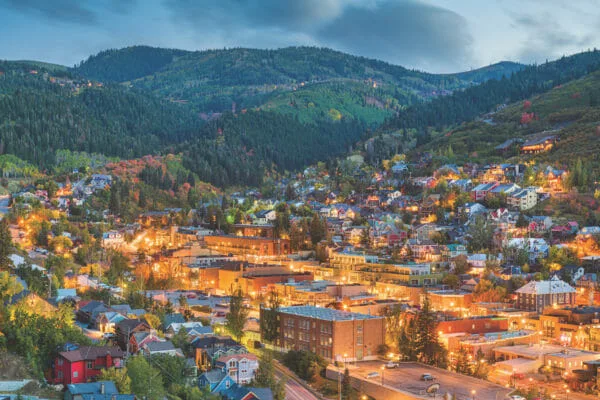
When water pours through a ceiling at midnight or smoke fills a Snyderville kitchen, knowing a qualified restoration crew is already on the way changes everything. Utah Restoration Company answers calls around the clock at (801) 870-6974, bringing trained technicians and professional drying, cleaning, and rebuilding equipment to homes and businesses throughout the Snyderville Basin.
Every property responds differently to damage, so each project starts with an inspection, hazard identification, and a written plan built around your structure and situation.
- Water Damage Restoration - extraction, structural drying, moisture mapping, and monitoring until materials reach target readings
- Flooded Basement Cleanup - pumping standing water, removing saturated carpet pad and drywall, and drying framing and concrete
- Sewage Cleanup - contaminated material removal, antimicrobial treatment, and safe disposal of Category 3 waste
- Fire Damage Restoration - board-up, debris removal, structural cleaning, and full reconstruction
- Smoke Damage Restoration - soot removal from surfaces and HVAC systems plus odor neutralization
- Mold Removal - sealed containment, negative air pressure, material removal, and moisture source correction
Contents matter too. Documents, photographs, electronics, and furnishings can often be cleaned and restored rather than replaced, and our team coordinates directly with your insurance carrier so paperwork does not fall on your shoulders.
Common Damage Restoration Issues in Snyderville, Utah
Sitting at roughly 6,500 feet along the I-80 corridor, Snyderville sees deep snowpack, hard freezes, and rapid spring melt - a combination that keeps restoration crews busy year-round.
Frequent Causes of Damage Locally
- Frozen and burst supply lines in garages, crawl spaces, and unheated bonus rooms above garages
- Ice dams along steep roof lines that push meltwater under shingles and into wall cavities
- Spring runoff from Basin hillsides saturating soil and pressing against foundation walls
- Failed sump pumps and window well drains during heavy melt or summer thunderstorms
- Sewer backups when older lateral lines clog or main lines surcharge
- Kitchen and chimney fires in homes with heavy wood-burning and gas fireplace use
- Wildfire smoke drifting into the Basin and settling into HVAC systems and soft goods
- Hidden mold behind vapor barriers, in finished basements, and under second-floor laundry rooms
Warning Signs Worth a Phone Call
- Musty odors that intensify when the furnace or air conditioning runs
- Bubbling paint, cupping hardwood, or dark staining along baseboards
- Efflorescence or chalky white residue on basement concrete
- Slow drains, gurgling toilets, or sewage odor in floor drains
- Soot film on window glass or a smoke smell that returns after cleaning
- Unexplained increases in water usage with no visible leak
Catching these early keeps a small drying job from becoming a demolition and rebuild project.
Neighborhoods We Serve in Snyderville
Our crews cover the full Snyderville Basin and the surrounding Summit County communities, from ski-access subdivisions to working ranch properties.
- Kimball Junction and the Newpark commercial district
- Silver Springs, Jeremy Ranch, and Pinebrook
- Summit Park and Timberline
- Silver Creek, Bitner Ranch, and Highland Estates
- Old Ranch Road, Willow Creek, and Sun Peak
- Trailside Park and Canyon Creek
- Park City, Heber City, Midway, and Kamas
- Coalville, Oakley, Francis, Henefer, and Woodland
We serve single-family homes, condominium associations, short-term rental properties, restaurants, and retail spaces alike. If your property sits outside the Park City area, another Utah Restoration Company location may reach you sooner - call (801) 870-6974 and we will dispatch the closest available crew.
Seasonal Damage Patterns in Snyderville
Winter (December - February)
- Burst pipes during cold snaps, especially in vacant vacation homes
- Ice dams and roof leaks after heavy storm cycles
- Chimney, fireplace, and space heater fires producing smoke and soot damage
Spring (March - May)
- Snowmelt saturates hillside soils and raises groundwater levels
- Water enters through foundation cracks, window wells, and basement egress doors
- Sump pumps run continuously and occasionally fail, leading to flooded basements
- Moisture trapped in walls begins supporting mold growth within days
Summer (June - August)
- Monsoon downpours overwhelm gutters and surface drains
- Sewer backups following intense short-duration storms
- Wildfire smoke infiltration requiring HVAC cleaning and odor treatment
- Air conditioning condensate line clogs causing ceiling and closet damage
Fall (September - November)
- First freezes catch unwinterized irrigation lines and hose bibs
- Furnace startup circulates dormant mold spores and smoke odors
- Pre-season inspections reveal slow leaks hidden all summer
Housing Characteristics & Restoration Considerations
Snyderville housing spans several eras, and each construction style creates its own restoration challenges.
Common Property Types
- 1970s - 1980s cabins and A-frames in Summit Park and Pinebrook - wood siding, tongue-and-groove interiors, and limited insulation that absorbs smoke odor deeply
- 1990s - 2000s subdivisions in Silver Springs, Jeremy Ranch, and Sun Peak - finished basements, multi-level layouts, and aging polybutylene or copper supply lines
- Newer construction near Kimball Junction and Trailside - tight building envelopes, spray foam, and engineered materials that trap moisture when leaks occur
- Condominiums and townhomes - shared walls and stacked plumbing that let one unit's leak damage several others
How Construction Affects the Work
- Finished basements often require removing drywall, insulation, and flooring rather than surface drying alone
- Cathedral ceilings and log accents need specialized soot cleaning and sealing after fires
- Crawl spaces with vapor barriers hide standing water and support mold colonies out of sight
- Radiant floor heating and snowmelt systems complicate drying and demolition planning
- Older cast iron and clay sewer laterals raise the odds of backups requiring Category 3 cleanup
- Homes built before the late 1980s may contain asbestos or lead materials that require testing before demolition
Our technicians document conditions with moisture meters and thermal imaging so the scope matches what is actually wet - no more demolition than the structure requires.
Environmental Conditions & Damage Implications
Snyderville's mountain environment shapes how damage develops and how restoration must be handled.
Climate and Air
- Cold, snowy winters with sustained sub-freezing stretches that stress plumbing
- Low ambient humidity most of the year, which speeds drying but masks moisture trapped inside wall cavities
- Summer wildfire smoke and occasional valley inversion haze that deposit fine particulate in ductwork and textiles
- High elevation and thinner air, which affects dehumidifier sizing and equipment placement
Water and Soil
- Hard, mineral-rich culinary water that corrodes fixtures, water heaters, and supply connectors over time
- Shallow groundwater and seasonal springs in low-lying Basin areas that pressure foundations
- Clay-heavy and rocky glacial soils that shed runoff toward structures instead of absorbing it
- Properties on septic systems where saturated drain fields can back up into lower levels
What This Means for Restoration
- Moisture readings are taken inside cavities, not just at the surface, because dry mountain air hides interior saturation
- Dehumidification and air movement are calibrated for elevation and material type
- Mold remediation includes correcting the drainage or plumbing source, not just removing growth
- Smoke and soot work includes duct cleaning and filtration so odor does not recirculate
- Sewage and septic events are treated as biohazards with containment and antimicrobial protocols
Protecting Vacation Homes and Short-Term Rentals in the Snyderville Basin
A large share of Snyderville properties sit empty for weeks at a time between ski trips and rental bookings. That vacancy is exactly why small failures turn into major losses here - a supply line that lets go in January can run for two weeks before anyone opens the front door.
Why Unoccupied Homes Suffer More
- Water runs unnoticed, saturating multiple floors and reaching the foundation
- Thermostats set too low allow pipes in exterior walls and garages to freeze
- Mold colonies establish themselves in still, dark, humid spaces within days
- Sewer gas and backups go undetected until odors permeate furnishings
- Smoke odor from a minor cooking incident settles permanently into soft goods
Steps That Reduce Risk
- Keep interior temperatures above the mid-50s and open cabinet doors under sinks on exterior walls
- Install water leak sensors near water heaters, laundry hookups, dishwashers, and mechanical rooms
- Add an automatic shutoff valve on the main line for extended absences
- Blow out irrigation lines and disconnect hoses before the first hard freeze
- Test sump pumps and backup batteries every fall and again before spring runoff
- Schedule a caretaker or property manager to walk the home weekly during winter
- Clean dryer vents, chimneys, and range hoods between rental turnovers
How We Respond
When a call comes in from a vacant Snyderville property, our crew secures the structure, stops the source, extracts water, and sets drying equipment - often before the owner can get up the canyon. We photograph and document everything for the insurance file, coordinate directly with the adjuster, and handle demolition, remediation, and reconstruction under one roof. Contents can be packed out, cleaned, and stored while the rebuild happens. Call (801) 870-6974 any hour, any day.





