
Damage Restoration in Park City, UT
- Damage Restoration Services Overview
- Common Damage Restoration Issues in Park City, Utah
- Neighborhoods We Serve in Park City
- Seasonal Damage Patterns in Park City
- Housing Characteristics & Restoration Considerations
- Environmental Conditions & Damage Implications
- Protecting Vacant and Second Homes Through Park City Winters
Damage Restoration Services Overview
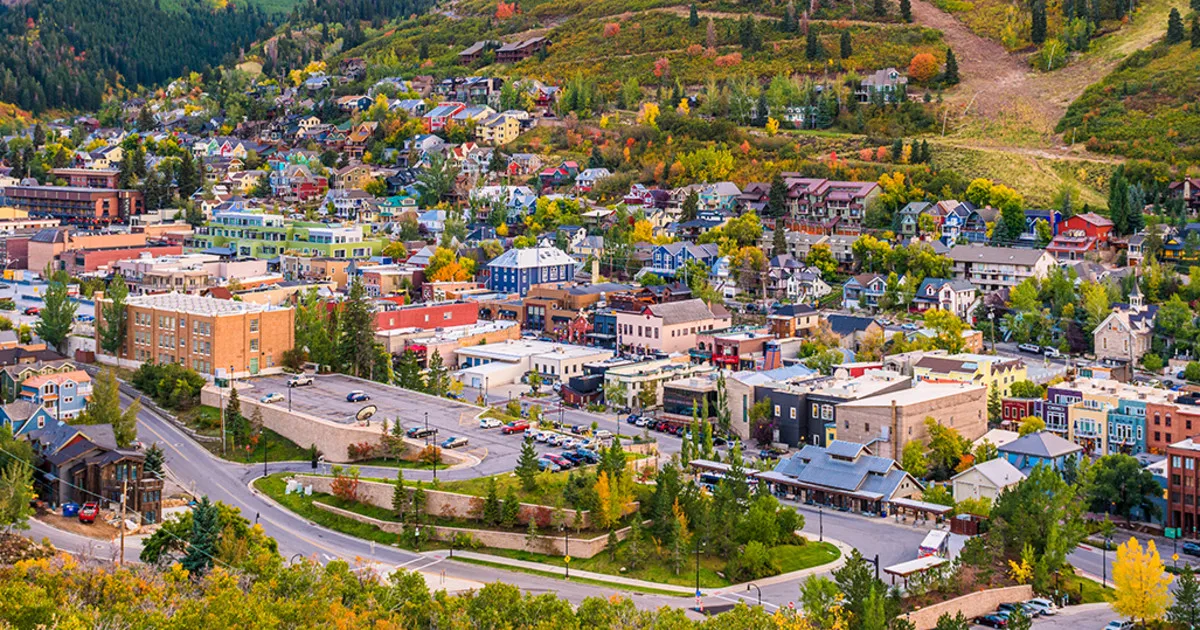
You come back to your Park City home after a long weekend of skiing, open the door, and hear running water. A supply line behind the laundry wall let go during a cold snap, and two inches of water now cover the lower level. That scenario plays out across town every winter - and it rarely stays a simple water problem for long.
Restoration work covers the full range of sudden property losses, from saturated framing to charred drywall and hidden fungal growth. Each service targets a different failure point in the building.
- Water Damage Restoration - extraction, structural drying, and moisture mapping after pipe breaks, appliance failures, and roof leaks
- Flooded Basement - pumping standing water, drying below-grade concrete and framing, salvaging contents and finishes
- Sewage Cleanup - containment, removal of contaminated porous materials, antimicrobial treatment, and disinfection
- Fire Damage Restoration - board-up, soot and char removal, content cleaning, and structural repairs
- Smoke Damage Restoration - odor neutralization, HVAC cleaning, and treatment of surfaces smoke reached but flames never touched
- Mold Removal - containment barriers, HEPA filtration, controlled removal, and correcting the moisture source
The benefit for Park City residents is straightforward: fast drying limits secondary damage, professional documentation supports insurance claims, and proper remediation keeps a second-home property protected between visits.
Common Damage Restoration Issues in Park City, Utah
Elevation, deep snowpack, and dramatic freeze-thaw swings drive most losses here. A property can go from sunny afternoon melt to single-digit overnight cold in a matter of hours.
What Causes Damage Locally
- Ice dams - meltwater refreezes at the eaves, backs up under shingles, and enters ceilings and exterior walls
- Burst pipes - lines in crawlspaces, garages, and unheated vacation homes freeze when the furnace fails or the thermostat is set too low
- Snowmelt intrusion - spring runoff pushes against foundations and window wells, flooding basements and lower levels
- Sewer backups - saturated ground and frozen vent stacks contribute to line failures and backflow into floor drains
- Fires - wood stoves, fireplaces, chimney creosote, space heaters, and dry-season wildland smoke intrusion
- Mold growth - tight, well-insulated mountain homes trap humidity when moisture goes undetected
Warning Signs Worth Acting On
- Brown rings or bubbling paint on ceilings below the roofline
- Icicles forming in long, heavy rows along the gutters
- Musty odor in a finished basement, mechanical room, or closet
- Warped baseboards, cupped hardwood, or soft drywall near exterior walls
- Gurgling drains or slow toilets on the lowest floor
- Persistent smoke odor that returns when the furnace cycles on
Catching any of these early usually means drying instead of demolition.
Neighborhoods We Serve in Park City
Crews cover the full Snyderville Basin and surrounding Summit County communities, including seasonal and full-time residences.
- Old Town and the Historic Main Street district
- Prospector and Park Meadows
- Deer Valley, Empire Pass, and Silver Lake
- Thaynes Canyon and Aerie
- Canyons Village and Colony at White Pine Canyon
- Kimball Junction, Silver Springs, and Willow Creek
- Jeremy Ranch, Pinebrook, and Summit Park
- Trailside, Sun Peak, and Old Ranch Road
- Promontory, Glenwild, and Silver Creek
- Nearby Snyderville, Heber Valley, Kamas, and Francis
Response includes condominium buildings, nightly rentals, hotels, restaurants, and commercial spaces along the resort corridors - properties where multiple units are often affected by a single water or sewage event.
Seasonal Damage Patterns in Park City
December through February
- Peak season for frozen and burst pipes, especially in unoccupied second homes
- Ice dams push water into attics, ceilings, and wall cavities
- Fireplace, wood stove, and chimney fires increase with heavy heating use
- Smoke damage from puffbacks when furnaces misfire
March through May
- Snowmelt and saturated soil cause flooded basements and window well intrusion
- Sewage backups rise as groundwater infiltrates aging laterals
- Mold appears in materials that stayed damp through winter
June through August
- Monsoon thunderstorms bring wind-driven rain and roof leaks
- Wildfire smoke infiltrates homes and HVAC systems
- Air conditioning condensate and swamp cooler overflows create hidden moisture
September through November
- Early freezes catch hose bibs and irrigation lines before winterization
- Heating systems restart, revealing soot and odor issues
- Ideal window to inspect crawlspaces and attics before snow arrives
Housing Characteristics & Restoration Considerations
Park City's building stock spans more than a century, and each era brings its own restoration challenges.
Common Property Types
- Historic Old Town homes - many predate 1940, with balloon framing, plaster walls, and stone or dirt-floor cellars that channel water and smoke vertically between floors
- 1970s-1990s condominiums - shared walls and stacked plumbing mean one broken line can affect several units at once
- Modern mountain contemporary homes - large timber elements, radiant floor heat, spray foam insulation, and tight envelopes that hold humidity in
- Ranch and townhome subdivisions - finished basements with carpet, drywall, and mechanical rooms below grade
How Construction Affects the Work
- Older homes may contain asbestos-era materials and lead paint, requiring careful testing before any demolition
- Plaster and lath hold moisture far longer than modern drywall and need extended drying with targeted airflow
- Radiant slab systems complicate extraction - drying must protect tubing while pulling moisture from concrete
- Vaulted ceilings and exposed beams demand specialized soot cleaning and odor sealing after fires
- Crawlspaces with vapor barriers and dense insulation hide leaks until mold has already established
- Nightly rental turnover raises urgency - restoration is often sequenced to return units to service in phases
Every scope starts with moisture mapping and material testing so the right assemblies come out and the right ones stay in place.
Environmental Conditions & Damage Implications
Sitting around 7,000 feet, Park City has thin, dry air and a short warm season - conditions that change how buildings dry and how contamination behaves.
Climate and Air
- Low ambient humidity helps drying, but cold air holds little moisture, so equipment must be heated and balanced to work efficiently
- Winter inversions in nearby valleys reduce air quality and complicate ventilation during smoke cleanup
- Summer wildfire smoke deposits fine particulate in ductwork, attic insulation, and soft goods
- High UV exposure and rapid temperature swings stress roofing and flashing, creating recurring leak points
Water and Soil
- Rocky, shallow soils over bedrock limit absorption, so runoff moves laterally toward foundations
- Clay pockets expand and contract, opening foundation cracks that admit groundwater
- Historic mining influence in some areas means soil and sediment testing may be warranted during excavation-adjacent work
- Hard water accelerates fixture and supply line corrosion, a frequent source of slow leaks behind cabinets
What It Means for Remediation
- Mold colonies concentrate in cold, enclosed spaces - rim joists, north-facing wall cavities, and unvented attics
- Sewage events require full containment because contaminated water spreads quickly across finished lower levels
- Smoke odor lingers longer in tightly sealed homes, making HVAC cleaning and hydroxyl or ozone treatment essential steps
Protecting Vacant and Second Homes Through Park City Winters
A large share of Park City properties sit empty for weeks at a time. That is exactly when small failures turn into total losses - a pinhole leak or a dead furnace can run undetected for days before anyone notices.
Why Vacant Properties Suffer the Worst Damage
- No one is present to hear running water or smell the first hint of mold
- Heat loss in unoccupied rooms allows pipes in exterior walls to freeze
- Ice dams build unchecked because snow is never cleared from the roof edge
- Sewer gas traps dry out, allowing odors and backflow issues to develop
- Days of unchecked saturation move a loss from drying territory into full reconstruction
Preventive Steps That Actually Work
- Keep interior temperatures above freezing throughout the entire home, including guest wings and lower levels
- Install freeze sensors and water leak detectors with remote alerts near water heaters, laundry, and mechanical rooms
- Add an automatic shutoff valve on the main supply line
- Arrange snow and ice removal at eaves, valleys, and over entryways
- Have a local contact walk the property weekly during deep winter
- Service the furnace and chimney annually to reduce fire and puffback risk
How Response Is Handled
When a call comes in for an unoccupied property, crews coordinate with property managers, caretakers, or HOAs for access. The first visit stops the source, extracts standing water, and sets containment if sewage or mold is present.
- Full photo and moisture documentation for insurance carriers, since owners are often out of state
- Daily monitoring readings shared remotely with the homeowner
- Content pack-out and off-site cleaning for smoke-affected furnishings and art
- Coordinated rebuild scheduling around ski season occupancy and rental bookings
The goal is a property that returns to use dry, clean, odor-free, and structurally sound - not simply patched over.





