
Damage Restoration in Winthrop Town, MA
- Damage Restoration Services Overview
- Common Damage Restoration Issues in Winthrop Town, Massachusetts
- Neighborhoods We Serve in Winthrop Town
- Seasonal Damage Patterns in Winthrop Town
- Housing Characteristics & Restoration Considerations
- Environmental Conditions & Damage Implications
- Coastal Storm Response and Straightforward Insurance Documentation for Winthrop Homeowners
Damage Restoration Services Overview
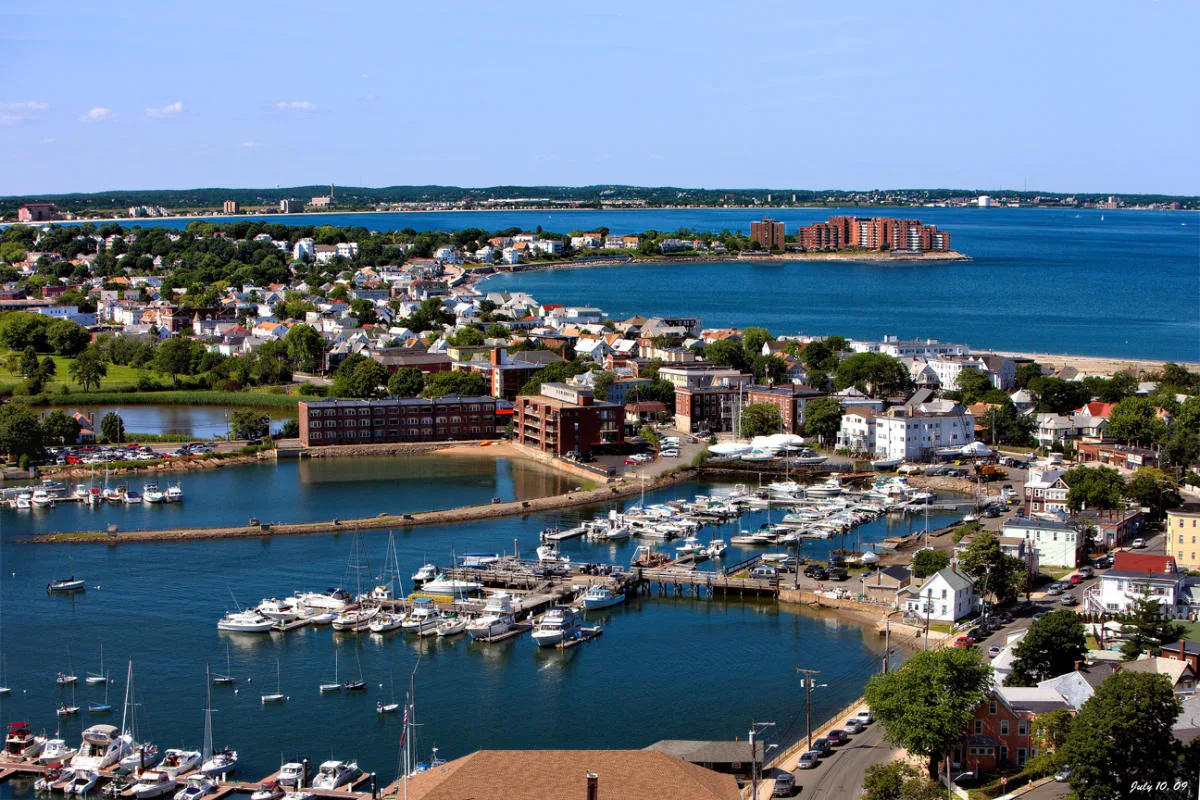
What would you do if you walked into your basement on a January morning and found three inches of standing water lapping at the furnace? In a coastal town like Winthrop, that scenario is far from hypothetical. Ocean-facing homes, tidal storm surge, and aging drainage systems combine to make property damage a real possibility for nearly every household on the peninsula.
Our restoration teams handle the full spectrum of emergencies affecting Winthrop Town properties:
- Water Damage Restoration - extraction, structural drying, and moisture mapping after leaks, burst pipes, or roof failures
- Flooded Basement - pump-out, content removal, and dehumidification for below-grade spaces
- Sewage Cleanup - containment, disinfection, and safe disposal of contaminated materials
- Fire Damage Restoration - debris removal, structural stabilization, and rebuilding
- Smoke Damage Restoration - soot removal, odor neutralization, and HVAC cleaning
- Mold Removal - containment, remediation, and moisture-source correction
The benefit of coordinating these services under one roof is simple: fewer handoffs, faster stabilization, and one point of contact through the insurance process. Winthrop residents get technicians who already understand the town's coastal housing stock, narrow driveways, and older mechanical systems.
Common Damage Restoration Issues in Winthrop Town, Massachusetts
Winthrop sits on a peninsula surrounded on three sides by water, which shapes nearly every damage pattern we respond to. Salt air, high water tables, and nor'easter-driven surge create conditions rarely seen just a few miles inland.
Local Causes We See Most Often
- Storm surge and wind-driven rain pushing water into basements and crawl spaces
- High groundwater levels forcing seepage through fieldstone and block foundations
- Municipal sewer backups during heavy rainfall, especially in low-lying streets
- Aging galvanized and copper supply lines failing in unheated basements
- Chimney and older knob-and-tube wiring issues contributing to house fires
- Salt-laden humidity accelerating mold growth in attics and closed-off rooms
Warning Signs Worth Acting On
- Musty odors that intensify on humid days or after rain
- Efflorescence - white chalky residue - on basement walls
- Cupping or darkening hardwood near exterior walls and doorways
- Slow floor drains or gurgling from toilets after storms
- Persistent smoke odor returning weeks after a small kitchen or chimney fire
- Peeling paint, staining on ceilings, or rust at the base of appliances
Catching these early usually means drying and cleaning rather than demolition and rebuilding. Waiting turns a water loss into a mold project, and a minor sewage backup into a full contamination cleanup.
Neighborhoods We Serve in Winthrop Town
Our crews cover the entire peninsula and the surrounding communities that share the same coastal conditions.
- Winthrop Highlands - elevated streets with ocean views, older single-family homes, and steep-grade driveways
- Point Shirley - narrow low-lying lots exposed to surge from both harbor and ocean sides
- Winthrop Beach - seawall-adjacent properties facing wind-driven rain and salt spray
- Cottage Park and Cottage Hill - historic homes with original woodwork and legacy plumbing
- Court Road and Winthrop Center - mixed residential and small commercial buildings
- Ocean Spray and Great Head - dense residential blocks with shared driveways and tight access
We also respond throughout neighboring East Boston, Revere, Chelsea, and the greater Boston Harbor communities. Familiarity with local street layouts, parking restrictions, and building department expectations helps our teams stage equipment and begin work without unnecessary delay.
Seasonal Damage Patterns in Winthrop Town
Damage in Winthrop follows a predictable rhythm tied to the Atlantic and New England temperature swings.
- December through March: Frozen and burst pipes, ice dams pushing meltwater under shingles, and nor'easter surge flooding basements near the seawalls. Fire and smoke damage rise with heavy heating system and fireplace use.
- April through May: Spring thaw and saturated ground drive groundwater seepage and flooded basement calls. Sewage backups increase during sustained rainfall.
- June through August: Humidity from ocean air fuels mold growth in basements, attics, and vacant properties. Air conditioning condensate leaks and appliance failures add to water losses.
- September through November: Hurricane remnants and early nor'easters bring roof leaks, wind damage, and coastal flooding. Chimney and heating system startups trigger the first smoke damage calls of the season.
Scheduling gutter clearing, sump pump testing, and heating inspections ahead of each shift in season prevents a large share of the emergencies we respond to.
Housing Characteristics & Restoration Considerations
Winthrop's housing stock is older than the Massachusetts average, with a large share built before 1940 and many properties dating to the early streetcar-suburb era. That age shapes how restoration work is planned and executed.
Common Construction Features
- Balloon-frame construction that lets fire, smoke, and moisture travel vertically inside wall cavities
- Fieldstone, brick, or unsealed block foundations prone to seepage and salt intrusion
- Plaster-and-lath walls that hold moisture longer than modern drywall
- Two- and three-family homes where damage in one unit affects shared walls and stacks
- Wood shingle and clapboard siding weathered by salt spray
- Original hardwood floors, trim, and built-ins worth salvaging when possible
How That Affects Our Approach
- We use thermal imaging and penetrating meters to trace moisture behind plaster instead of removing it unnecessarily.
- Fire and smoke work includes checking wall and floor cavities where soot migrates in balloon-framed homes.
- Basement drying plans account for masonry that absorbs and slowly releases moisture.
- Mold remediation targets the water source first - grading, gutters, sump discharge - so growth does not return.
- Sewage cleanup in multi-family buildings includes coordination with all affected units and shared mechanical rooms.
- Salvage and cleaning of historic millwork is prioritized before replacement is recommended.
Environmental Conditions & Damage Implications
Being surrounded by Boston Harbor and the open Atlantic gives Winthrop a distinct microclimate that directly influences restoration outcomes.
Conditions That Matter
- Elevated humidity: Ocean air keeps indoor relative humidity high through much of the year, slowing natural drying and encouraging mold on organic materials.
- Salt exposure: Airborne salt corrodes fasteners, HVAC coils, and electrical components, and it compounds the corrosive effect of smoke residue after a fire.
- Shallow water table: Sandy and fill soils across the peninsula sit close to sea level, making hydrostatic pressure against foundations a constant factor.
- Tidal influence: High tides paired with storms limit how quickly stormwater and sewer systems drain, extending flooding events.
- Freeze-thaw cycling: Winter temperature swings open cracks in masonry and concrete, creating new water entry points each year.
What We Do About It
- Set drying targets based on local ambient humidity rather than generic benchmarks.
- Deploy desiccant dehumidification where refrigerant units struggle in cool, damp basements.
- Clean and neutralize soot promptly, since salt and acidic residue together accelerate metal corrosion.
- Use containment barriers and HEPA filtration during mold and sewage work to protect the rest of the home.
- Document moisture readings daily until materials reach a stable, verified dry standard.
Coastal Storm Response and Straightforward Insurance Documentation for Winthrop Homeowners
When a nor'easter pushes water over the Winthrop seawalls, dozens of homes can flood in the same few hours. The stress compounds when homeowners cannot get clear answers about what is covered, what is being removed, and how long the process will take. Clear communication is the part of restoration that reduces that stress the most.
How We Keep the Process Transparent
- On-site walkthrough: We inspect affected areas with you present, explaining what moisture readings, soot patterns, or microbial growth actually mean.
- Written scope before demolition: You see what materials are slated for removal and why, along with what we intend to save and clean.
- Photo and moisture logs: Daily readings and images are recorded for every affected room, creating the documentation adjusters expect.
- Direct insurer coordination: We speak with your carrier and provide line-item documentation so you are not translating technical details.
- Progress updates: One project contact keeps you informed as drying, cleaning, and rebuild phases move forward.
- Post-work verification: Final moisture and clearance results confirm the structure is dry and safe before we close out.
What Winthrop Residents Should Know About Coastal Claims
- Storm surge and tidal flooding are often treated differently from wind-driven rain or interior plumbing failures.
- Separate flood coverage may apply for properties in mapped flood zones near Point Shirley and Winthrop Beach.
- Sewage backup coverage is frequently an add-on rather than a standard inclusion.
- Prompt mitigation documentation strengthens a claim, since carriers expect reasonable steps to limit further damage.
Our teams are available around the clock across Winthrop - for water extraction, flooded basement pump-out, sewage decontamination, fire and smoke cleanup, mold remediation, and the reconstruction that follows. Knowing exactly what is happening in your home, and why, is part of the service.





