
Damage Restoration in Revere, MA
- Damage Restoration Services Overview
- Common Damage Restoration Issues in Revere, Massachusetts
- Neighborhoods We Serve in Revere
- Seasonal Damage Patterns in Revere
- Housing Characteristics & Restoration Considerations
- Environmental Conditions & Damage Implications
- Storm Surge, Sewer Backup, and Knowing What You Are Actually Dealing With
Damage Restoration Services Overview
Water that sits for a weekend rarely stays a water problem. Within days it becomes swollen subfloor, delaminated cabinet bases, and colonized wall cavities that cost far more to correct than the original loss.
The same principle applies after a fire. Acidic soot residues keep etching metal, glass, and finished surfaces long after the flames are out, and smoke odor migrates deeper into porous materials with every hour that passes.
Revere properties sit close to the coast, on aging housing stock, with basements that see groundwater and surge pressure during nor'easters. That combination makes fast, coordinated response the difference between mitigation and reconstruction.
Services Available Across Revere
- Water damage restoration - burst supply lines, roof intrusion, water heater ruptures, washing machine hose failures, and condensate drain overflows
- Flooded basement cleanup - extraction, content handling, structural drying, and moisture mapping below grade
- Sewage cleanup - contaminated water removal, antimicrobial treatment, and removal of unsalvageable porous materials
- Fire damage restoration - stabilization, debris removal, soot cleaning, and coordination through rebuild
- Smoke damage restoration - residue-specific cleaning, HVAC decontamination, and odor neutralization
- Mold removal - containment, source moisture correction, and controlled removal of affected materials
Key benefits for homeowners and business owners include reduced secondary damage, documented moisture readings for insurance, and one accountable team from first extraction through final repairs.
Common Damage Restoration Issues in Revere, Massachusetts
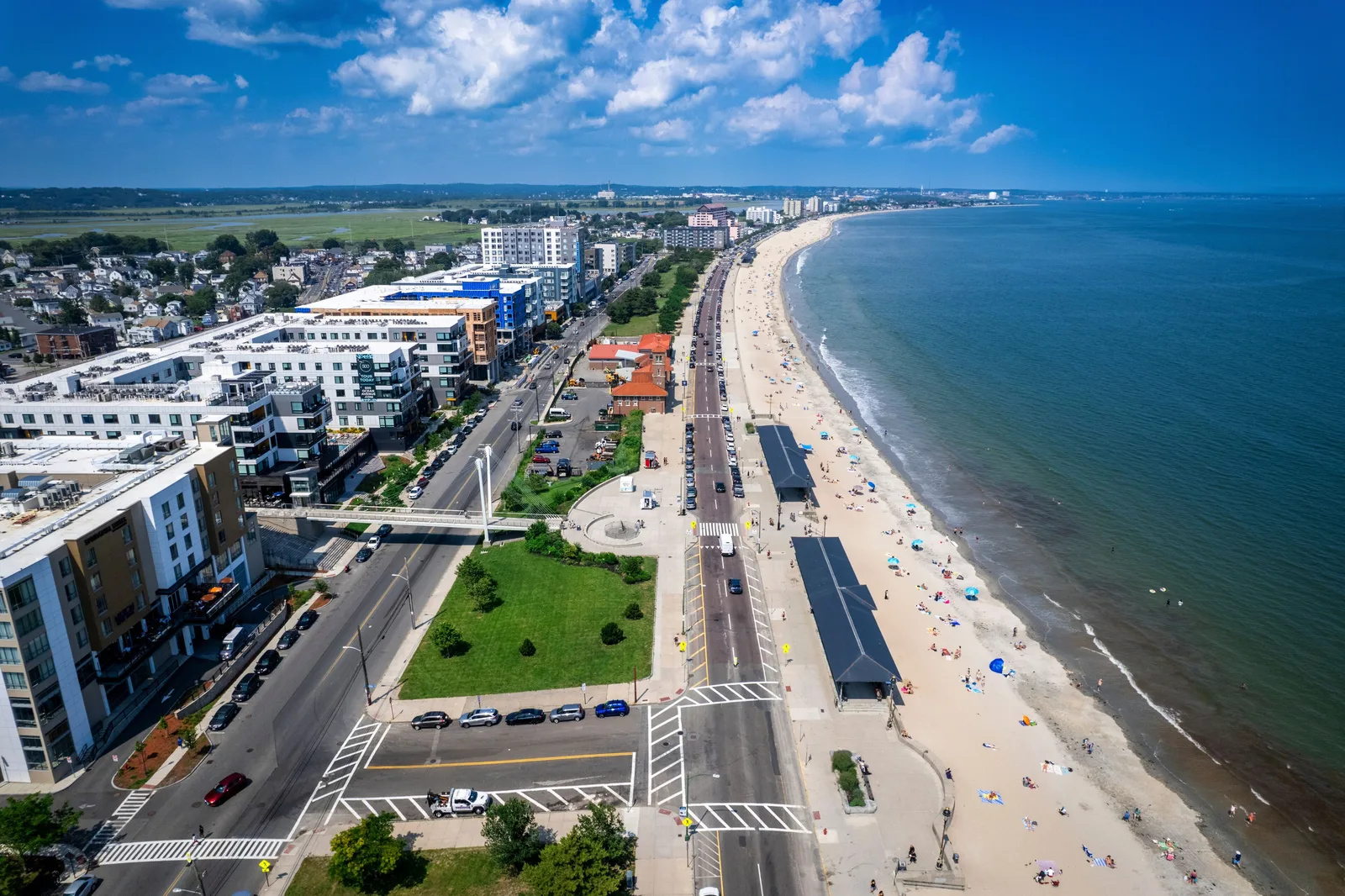
Revere's location between Broad Sound and the Pines River shapes most of what goes wrong. Coastal storms drive water in from above and below at the same time.
Local Causes We See Repeatedly
- Nor'easter surge and wind-driven rain - simultaneous roof intrusion and basement flooding during a single event
- High groundwater near the marsh and beachfront - hydrostatic pressure through foundation cracks and cold joints
- Municipal sewer surcharge - heavy rain overwhelming lines and backing up through floor drains and basement fixtures
- Frozen and burst pipes - uninsulated lines in unheated porches, crawlspaces, and multi-family stairwells
- Aging appliances - water heaters and washer hoses saturating subfloor assemblies before anyone notices
- Kitchen and heating-related fires - concentrated smoke damage spreading through shared ductwork in two- and three-family homes
Warning Signs Worth Acting On
- Musty odor in a basement or closet that returns after ventilation
- Tide lines, chalky efflorescence, or peeling paint on foundation walls
- Floor tiles lifting at the seams or hardwood cupping along a wall line
- Gurgling floor drains or slow basement fixtures during rainfall
- Sooty film reappearing on windows and light fixtures after cleaning
- Persistent smoke odor that intensifies when the heat or AC runs
- Unexplained allergy symptoms that ease when occupants leave the building
Any of these signals point to moisture or residue still active inside the building assembly, not a surface issue that cleaning alone will resolve.
Neighborhoods We Serve in Revere
Coverage extends across the full city and into the surrounding communities that share the same coastal and infrastructure conditions.
- Revere Beach and Beachmont - oceanfront condos, older two-families, and properties exposed to salt air and surge
- Point of Pines - low-lying waterfront homes near the Pines River with elevated flood exposure
- Oak Island and Riverside - marsh-adjacent properties dealing with groundwater and drainage backups
- West Revere and Franklin Park - mid-century single-family homes with finished basements
- Shirley Ave and Broadway corridor - dense mixed-use blocks with commercial ground floors and residential units above
- North Revere and Wonderland area - a mix of newer multi-unit construction and older housing stock
Service also reaches Chelsea, Everett, Malden, Winthrop, Saugus, Lynn, and East Boston. Crews familiar with these neighborhoods know which streets flood first and how local building departments handle permits for rebuild work.
Seasonal Damage Patterns in Revere
Winter (December - March)
- Frozen and burst pipes during cold snaps and extended vacancies
- Ice dams forcing meltwater under shingles into ceilings and exterior walls
- Heating-equipment and space-heater fires with heavy smoke spread
- Coastal storm surge flooding basements in low-lying neighborhoods
Spring (April - June)
- Snowmelt plus rainfall raising the water table and pushing water through foundations
- Sewage backups when saturated systems surcharge
- First mold growth of the year in basements that never fully dried out
Summer (July - September)
- Peak mold season as humidity keeps indoor dew points high
- AC condensate line overflows saturating ceilings and closets
- Thunderstorms and early hurricane-season remnants causing roof leaks
- Grilling and outdoor cooking fires that extend to structures
Fall (October - November)
- Nor'easter season begins - wind-driven rain and tidal flooding together
- Clogged gutters directing water against foundations
- First heating-system startups revealing puffback and soot events
Housing Characteristics & Restoration Considerations
Much of Revere's housing predates 1960, with large concentrations of early-1900s two- and three-family homes alongside post-war singles and newer condo developments near the beach and Wonderland.
How Construction Age Affects the Work
- Balloon-framed older homes - open stud bays let water and smoke travel between floors, so drying and cleaning must extend well beyond the visible damage
- Plaster over wood lath - holds moisture longer than drywall and requires slower, monitored drying to avoid unnecessary demolition
- Fieldstone and rubble foundations - porous and irregular, making basement drying and mold control more involved than in poured concrete
- Finished basements added later - framing set directly against masonry with limited vapor control traps moisture after any flood
- Shared systems in multi-family buildings - one unit's pipe break or fire affects units above, below, and beside it
- Hardwood over board subfloor - vulnerable to cupping and requires specialized drying mats to save
Practical Implications
- Asbestos and lead-paint screening may be needed before demolition in pre-1978 buildings
- Narrow driveways and street parking influence equipment staging and dehumidifier placement
- Sewage losses in older basements often require removal of framing and insulation, not just flooring
- Smoke odor in shared ductwork means HVAC cleaning across multiple units
Documenting these conditions early keeps the scope defensible with insurers and prevents surprise change orders during rebuild.
Environmental Conditions & Damage Implications
Revere sits in a humid continental climate moderated by the Atlantic, which means long shoulder seasons with high moisture and slow natural drying.
Climate and Moisture
- Summer dew points frequently sit high enough that open windows add moisture instead of removing it
- Annual precipitation is spread across all seasons, so basements rarely get a long dry stretch
- Coastal fog and onshore flow keep exterior surfaces damp for extended periods
- Winter temperature swings drive condensation inside wall cavities and cold rim joists
Soil, Water Table, and Salt
- Marine clay, fill, and marsh deposits near the Pines River drain poorly and hold water against foundations
- Beach-adjacent sandy soils shift and open pathways at foundation penetrations
- Tidal influence raises the local water table during storm cycles, increasing hydrostatic pressure
- Salt-laden air accelerates corrosion on fasteners, ductwork, and electrical components exposed to soot or floodwater
What This Means for Restoration
- Dehumidification is prioritized over ventilation for most of the year
- Mold growth can begin quickly once relative humidity in a cavity stays elevated
- Sewage-contaminated groundwater requires full antimicrobial treatment and material removal rather than surface cleaning
- Fire and smoke cleaning includes corrosion inhibitors on metal surfaces given the salt exposure
- Post-drying moisture verification matters more here than in drier inland regions
Storm Surge, Sewer Backup, and Knowing What You Are Actually Dealing With
After a nor'easter, a flooded Revere basement can involve three different water categories at once - clean supply water from a failed line, groundwater from outside, and contaminated water from a surcharged sewer line. Each carries a different scope, a different safety protocol, and a different insurance path.
Clear communication starts with naming that distinction out loud before any equipment gets placed.
What a Straightforward Response Looks Like
- Safety check first - electrical hazards, structural stability, and contamination category identified and explained
- Source control - stopping active intrusion before extraction begins, whether that is a shutoff valve, a tarp, or a temporary board-up
- Extraction and removal - standing water pulled out, unsalvageable porous materials removed and documented
- Moisture mapping - meter and thermal readings recorded so affected areas are defined by data, not guesswork
- Controlled drying - air movers and dehumidifiers sized to the space, with daily readings shared
- Cleaning and treatment - antimicrobial application for contaminated losses, soot-specific methods for fire and smoke
- Verification - drying confirmed against dry-standard readings before reconstruction starts
- Rebuild - flooring, drywall, paint, and finish work to return the space to pre-loss condition
Questions Worth Asking Any Provider
- Which water category is this, and what does that mean for what stays and what goes?
- Will I receive moisture readings and photo documentation for my claim?
- Is the drying plan being adjusted based on daily measurements?
- Who handles the rebuild, and is it the same team?
- What is being done about odor and air quality, not just visible damage?
Revere residents deserve plain answers about scope, contamination, and next steps - written down, photographed, and available when the adjuster calls.





