
Damage Restoration in Chelsea, MA
- Damage Restoration Services Overview
- Common Damage Restoration Issues in Chelsea, Massachusetts
- Neighborhoods We Serve in Chelsea
- Seasonal Damage Patterns in Chelsea
- Housing Characteristics & Restoration Considerations
- Environmental Conditions & Damage Implications
- The Full Restoration Sequence: From Emergency Call to Rebuild in Chelsea
Damage Restoration Services Overview
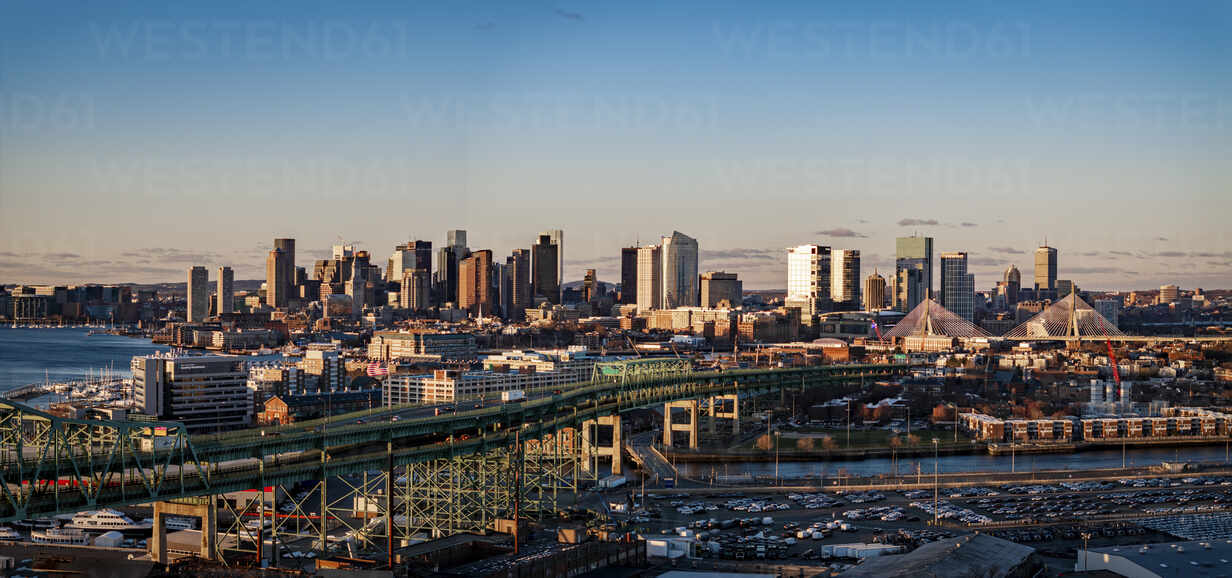
When water pours through a ceiling at midnight or smoke settles into every room of a Chelsea triple-decker, the fastest path back to normal starts with a trained crew and the right equipment. Professional restoration takes a chaotic situation and turns it into a documented, step-by-step recovery you can actually follow.
Chelsea property owners have access to a full spectrum of emergency and remediation services, each addressing a different kind of loss:
- Water Damage Restoration - extraction, structural drying, dehumidification, and moisture mapping after burst pipes, appliance failures, or roof leaks.
- Flooded Basement - pump-out, sump and drain assessment, content removal, and drying of foundation walls and slabs.
- Sewage Cleanup - removal of contaminated water and porous materials, antimicrobial treatment, and safe disposal following Category 3 protocols.
- Fire Damage Restoration - board-up, debris removal, structural cleaning, and coordination through full rebuild.
- Smoke Damage Restoration - soot removal from walls and HVAC systems, thermal fogging, and odor neutralization.
- Mold Removal - containment, HEPA filtration, removal of colonized materials, and correction of the moisture source.
Providers such as Paul Davis Restoration of Downtown Boston, SERVPRO, and SR Enterprises answer calls around the clock, giving Chelsea residents same-day response when hours matter most.
Common Damage Restoration Issues in Chelsea, Massachusetts
Chelsea sits on low, dense ground along the Mystic River and Chelsea Creek, wedged between Everett, Revere, and East Boston. That geography, combined with an older housing stock and a tight urban street grid, produces a predictable set of restoration calls.
Frequent Causes of Loss
- Frozen and burst supply lines in uninsulated basements, crawl spaces, and exterior walls
- Storm surge and heavy rainfall backing up through floor drains near the waterfront and Creek-side blocks
- Aging cast iron and clay sewer laterals that crack, root-clog, and back up into finished basements
- Kitchen fires and electrical faults in multifamily buildings with legacy wiring
- Smoke migration between units in attached and semi-attached homes
- Chronic humidity in stone-and-brick foundations feeding hidden mold growth
Warning Signs Worth Acting On
- Musty odors that intensify after rain or when the HVAC system cycles on
- Efflorescence, chalky white staining, or crumbling mortar on basement walls
- Bubbling paint, cupped hardwood, or soft spots in subflooring
- Gurgling drains or slow tub and toilet drainage that signals a lateral issue
- Yellow-brown staining on ceilings above bathrooms and kitchens
- Lingering campfire or acrid odor weeks after a minor cooking fire
Small signals often precede large losses. Addressing a slow drip or a damp corner early usually keeps a water job from becoming a mold job.
Neighborhoods We Serve in Chelsea
Restoration crews cover the entire city, from the dense residential blocks north of Broadway to the industrial and waterfront corridors along the Creek.
- Bellingham Square and Downtown Chelsea - mixed-use buildings, storefronts, and upper-floor apartments
- Prattville - single-family and two-family homes on hilly side streets
- Admiral's Hill - condominiums and converted historic structures overlooking the harbor
- Mill Hill and Soldiers Home area - older wood-frame residences with basement moisture concerns
- Box District - renovated former factory buildings and newer multifamily construction
- Addison-Orange and Shurtleff-Bellingham - tightly spaced triple-deckers
- Chelsea Creek and Marginal Street corridor - commercial, warehouse, and marine-adjacent properties
Service also extends to neighboring Everett, Revere, East Boston, and Charlestown, which keeps response times short when a storm generates simultaneous calls across the region.
Seasonal Damage Patterns in Chelsea
Each season brings its own restoration workload in a coastal New England city.
- December through February - Pipe freezes and bursts dominate. Ice dams push meltwater under shingles and into ceilings. Heating equipment and space heaters drive fire and smoke calls.
- March and April - Snowmelt plus spring rain saturates soil and overwhelms sump pumps, producing flooded basements and sewer backups.
- May and June - Rising humidity activates dormant mold in basements, closets, and behind bathroom tile.
- July and August - Thunderstorms, roof leaks, and condensation-related moisture. Air conditioning drain line clogs cause hidden ceiling damage.
- September and October - Coastal storms and nor'easter remnants bring wind-driven rain, tidal flooding near the Creek, and storm surge intrusion.
- November - Heating systems restart after months idle, releasing dust, puff-back soot from oil burners, and occasional smoke damage.
Late fall is the practical window for preventive work: insulating exposed pipes, clearing gutters, testing sump pumps, and having the chimney and furnace inspected.
Housing Characteristics & Restoration Considerations
Chelsea's building stock skews old. A large share of its residential structures date to the late 1800s and early 1900s, with substantial rebuilding after the great fires that reshaped the city. Wood-frame triple-deckers, two-families, and masonry mixed-use blocks define most streets, alongside newer transit-oriented apartment construction near the commuter rail and Silver Line.
How Local Construction Shapes the Work
- Balloon framing in pre-1930s homes creates open wall cavities that let water travel downward and smoke travel upward between floors.
- Rubble stone and brick foundations hold moisture, requiring extended dehumidification and sometimes negative-air drying chambers.
- Plaster and wood lath absorbs water differently than drywall and demands moisture readings behind the surface before drying is called complete.
- Layered flooring - linoleum over hardwood over subfloor - traps water and often needs selective removal.
- Shared party walls in attached buildings mean smoke and odor cross into adjacent units, so containment planning matters.
- Knob-and-tube remnants and older panels raise fire risk and require electrical evaluation during rebuild.
- Asbestos and lead-era materials in pre-1978 homes call for proper testing before demolition of affected surfaces.
Finished basements are common here, used as living space, laundry, and storage. That makes flooded basement and sewage cleanup jobs unusually content-heavy, with careful sorting of salvageable versus non-salvageable belongings a major part of the process.
Environmental Conditions & Damage Implications
Chelsea's environment is coastal, urban, and industrially influenced - a combination that affects how damage develops and how restoration is performed.
Climate and Water
- Roughly 45 inches of annual precipitation, distributed across all seasons, keeps soil moisture high year-round.
- Summer dew points regularly climb into the 60s and 70s, pushing indoor relative humidity above the 60 percent threshold where mold thrives.
- Freeze-thaw cycling opens hairline cracks in foundations and masonry, creating new seepage paths each spring.
- Tidal influence along Chelsea Creek and the Mystic River raises groundwater levels, stressing sump systems and slab penetrations.
- Combined and aging municipal sewer infrastructure can surcharge during intense rain, producing backups into low-lying basements.
Soil and Air
- Fill soils and marine clay in parts of the city drain slowly, holding hydrostatic pressure against foundation walls.
- Urban particulates from highway, port, and industrial activity settle into HVAC systems and complicate post-fire cleaning by masking soot patterns.
- Salt-laden coastal air accelerates corrosion on fasteners, ductwork, and metal framing exposed during water losses.
These conditions argue for aggressive dehumidification targets, moisture verification with meters rather than appearance alone, and HEPA air scrubbing on nearly every job - whether the origin is a burst pipe, a sewage backup, or a kitchen fire.
The Full Restoration Sequence: From Emergency Call to Rebuild in Chelsea
Thorough restoration is not a single visit. It is a documented sequence where each stage has to be verified before the next begins, and skipping steps is what leads to recurring odor, warped floors, and mold behind new drywall months later.
How a Typical Chelsea Project Progresses
- Emergency response and safety assessment - power and gas hazards evaluated, structural stability checked, board-up or tarping performed if the building envelope is compromised.
- Source control - stopping the active leak, isolating the failed line, or clearing the sewer lateral so restoration is not fighting an ongoing intrusion.
- Water extraction and bulk removal - truck-mounted or portable extraction, pump-out of standing basement water, and removal of saturated non-salvageable materials.
- Containment and contamination classification - clean water, gray water, and sewage each require different handling, PPE, and disposal.
- Structural drying and dehumidification - air movers, low-grain refrigerant or desiccant dehumidifiers, and daily moisture readings logged against dry standards for wood, plaster, and masonry.
- Cleaning of contents - furniture, flooring, textiles, and personal items cleaned on site or packed out for off-site treatment.
- Soot and odor treatment - dry sponge and chemical sponging, HVAC duct cleaning, hydroxyl or ozone treatment, and sealing where odor persists in framing.
- Mold remediation if indicated - negative pressure containment, HEPA filtration, removal of colonized porous materials, antimicrobial application, and post-remediation verification.
- Reconstruction - framing, insulation, drywall or plaster, flooring, paint, and finish carpentry that returns the property to pre-loss condition.
Details That Matter Locally
- Photo and moisture documentation formatted for insurance carriers and adjusters
- Multilingual communication for Chelsea's diverse resident and business community
- Coordination with property managers and multiple tenants in triple-decker and condo settings
- Parking and equipment staging plans for narrow streets and limited curb space
- Permit coordination with the City of Chelsea for structural rebuild work





