
Damage Restoration in Boulder Creek, CA
- Damage Restoration Services Overview
- Common Damage Restoration Issues in Boulder Creek, California
- Neighborhoods We Serve in Boulder Creek
- Seasonal Damage Patterns in Boulder Creek
- Housing Characteristics & Restoration Considerations
- Environmental Conditions & Damage Implications
- Wildfire Preparedness & Recovery Resources
Damage Restoration Services Overview
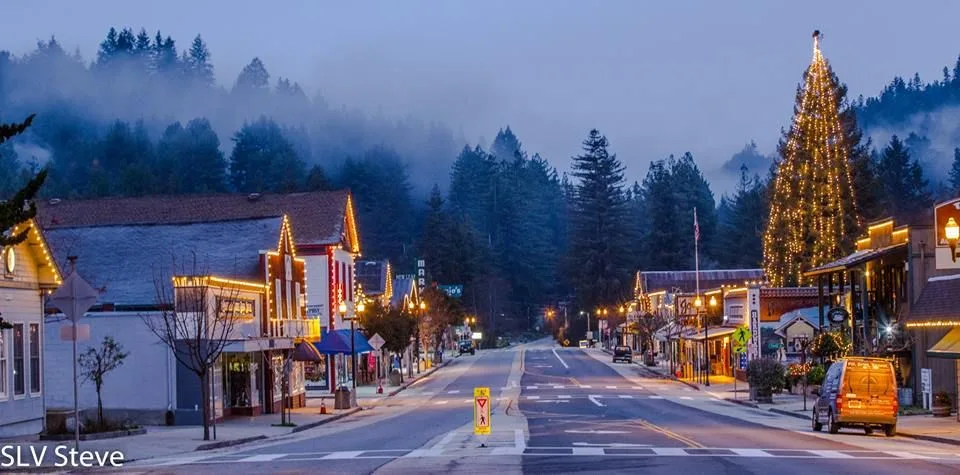
Boulder Creek's unique position in the Santa Cruz Mountains creates distinct restoration challenges that require specialized expertise. The area's dense forest canopy, seasonal weather patterns, and aging housing stock make properties vulnerable to multiple types of damage throughout the year.
Professional damage restoration services in Boulder Creek address six critical areas:
- Water Damage Restoration - From pipe bursts to storm flooding
- Flooded Basement - Ground water intrusion and drainage issues
- Sewage Cleanup - Septic system failures and backup emergencies
- Fire Damage Restoration - Wildfire impact and structural fire recovery
- Smoke Damage Restoration - Odor elimination and air quality restoration
- Mold Removal - Moisture-related fungal growth remediation
Boulder Creek residents benefit from rapid response times and local knowledge that helps restoration teams understand the specific challenges posed by mountain living. Professional services combine advanced equipment with understanding of local building codes and environmental factors that affect recovery timelines and methods.
Common Damage Restoration Issues in Boulder Creek, California
Boulder Creek's mountainous terrain and Mediterranean climate create specific damage patterns that property owners encounter regularly. The combination of seasonal rains, wildfire risk, and older infrastructure leads to predictable restoration needs.
Water-related damage dominates restoration calls in Boulder Creek:
- Heavy winter rains overwhelming drainage systems
- Basement flooding from hillside runoff
- Pipe freezing during unexpected cold snaps
- Septic system overflows during wet seasons
- Roof leaks from tree debris and storm damage
Fire and smoke damage present year-round concerns:
- Wildfire exposure from surrounding forest areas
- Chimney and wood stove malfunctions
- Electrical fires in older wiring systems
- Smoke infiltration from nearby fire incidents
Mold growth accelerates due to Boulder Creek's specific conditions:
- High humidity from tree canopy coverage
- Poor ventilation in older mountain homes
- Moisture retention in crawl spaces
- Delayed discovery due to remote property locations
Early warning signs include musty odors, visible water stains, increased utility bills, and respiratory symptoms among occupants.
Neighborhoods We Serve in Boulder Creek
Professional damage restoration services cover all Boulder Creek communities and surrounding mountain areas. Service areas include the historic downtown Boulder Creek district, residential neighborhoods along Highway 9, and remote properties in the Santa Cruz Mountains.
Primary service zones encompass:
- Central Boulder Creek residential areas
- Brookdale community properties
- Ben Lomond neighborhood homes
- Forest properties along Bear Creek Road
- Mountain estates in surrounding hills
- Commercial buildings in downtown Boulder Creek
Remote mountain properties receive the same professional attention as central locations, with restoration teams equipped to handle challenging access conditions and extended response requirements typical of mountain communities.
Seasonal Damage Patterns in Boulder Creek
Boulder Creek experiences distinct seasonal damage patterns that help property owners prepare for common restoration needs throughout the year.
Winter months (December - February) bring the highest water damage risks:
- Heavy rainfall causing basement flooding and sewage backups
- Storm damage leading to roof leaks and water intrusion
- Increased mold growth from prolonged moisture exposure
Spring season (March - May) reveals winter damage consequences:
- Mold removal needs become apparent as temperatures rise
- Water damage restoration from delayed leak discovery
- Sewage cleanup from overwhelmed septic systems
Summer and fall (June - November) elevate fire-related restoration needs:
- Wildfire damage restoration during peak fire season
- Smoke damage cleanup from regional fire activity
- Preventive mold removal before winter moisture returns
Understanding these patterns helps Boulder Creek residents schedule preventive maintenance and recognize when professional restoration services may be needed most urgently.
Housing Characteristics & Restoration Considerations
Boulder Creek's housing stock reflects the area's development history, with many homes built between the 1950s and 1980s using construction methods that create specific restoration challenges. The predominance of wood-frame construction and mountain-adapted designs affects how damage occurs and spreads.
Typical Boulder Creek home characteristics include:
- Wood siding and shake roofing materials
- Crawl space foundations common in hillside construction
- Older electrical and plumbing systems
- Limited insulation in walls and attics
- Single-pane windows and minimal weatherproofing
These features create specific restoration considerations:
- Water damage spreads rapidly through wood framing
- Basement flooding affects crawl spaces differently than full basements
- Sewage cleanup requires careful attention to porous wood surfaces
- Fire damage penetrates deeply into wood construction materials
- Smoke damage infiltrates through gaps in older construction
- Mold growth thrives in wood materials and poor ventilation systems
Professional restoration teams understand these construction patterns and adapt their methods accordingly, using specialized techniques for wood-frame mountain homes that differ from standard residential restoration approaches.
Environmental Conditions & Damage Implications
Boulder Creek's environmental conditions significantly influence damage patterns and restoration requirements. The area's Mediterranean climate, combined with mountain topography and dense forest coverage, creates a unique set of challenges for property maintenance and damage prevention.
Climate factors affecting restoration needs:
- Annual rainfall averaging 35-45 inches, concentrated in winter months
- High humidity levels from forest canopy and creek proximity
- Temperature variations between sunny and shaded areas
- Frequent fog and moisture retention in valleys
Soil and topography considerations:
- Sandy loam soil with varying drainage capabilities
- Steep hillside locations affecting water runoff patterns
- Proximity to natural water sources increasing flood risk
- Root systems from large trees affecting foundation stability
These environmental factors create specific restoration challenges:
- Water damage restoration must account for poor drainage and hillside runoff
- Flooded basements result from both surface water and groundwater intrusion
- Sewage cleanup becomes complex due to septic system limitations in mountain soils
- Fire damage restoration requires understanding of wildfire behavior in forested areas
- Smoke damage restoration addresses infiltration through forest fire exposure
- Mold removal confronts persistent moisture from natural humidity and poor air circulation
Wildfire Preparedness & Recovery Resources
Boulder Creek's location in the Santa Cruz Mountains places the community at significant wildfire risk, making fire damage restoration and smoke damage cleanup recurring concerns for residents. The area's history of fire activity, combined with dense vegetation and challenging terrain, requires specialized restoration approaches that address both immediate damage and long-term recovery needs.
Wildfire impact patterns in Boulder Creek include:
- Direct fire damage to structures and landscaping
- Smoke infiltration affecting indoor air quality for miles from active fires
- Ash and debris contamination requiring specialized cleanup
- Water damage from firefighting efforts
- Secondary mold growth from moisture introduced during suppression
Professional fire damage restoration in Boulder Creek addresses multiple recovery phases:
- Immediate safety assessment - Structural integrity evaluation and hazard identification
- Smoke damage restoration - Air quality testing and odor elimination throughout affected properties
- Water damage restoration - Addressing firefighting water intrusion and preventing secondary damage
- Debris removal and cleaning - Specialized handling of fire-damaged materials and ash contamination
- Mold prevention - Rapid moisture elimination to prevent fungal growth in compromised structures
Boulder Creek restoration teams maintain specialized equipment for wildfire recovery, including air scrubbers for smoke damage, moisture detection tools for hidden water damage, and protective gear for handling contaminated materials. Clear communication throughout the restoration process helps property owners understand insurance requirements, timeline expectations, and steps needed to safely return to their homes after fire-related damage occurs.





