
Damage Restoration in Big Bear Lake, CA
- Damage Restoration Services Overview
- Common Damage Restoration Issues in Big Bear Lake, California
- Neighborhoods We Serve in Big Bear Lake
- Seasonal Damage Patterns in Big Bear Lake
- Housing Characteristics & Restoration Considerations
- Environmental Conditions & Damage Implications
- Mountain Property Access & Emergency Response Challenges
Damage Restoration Services Overview
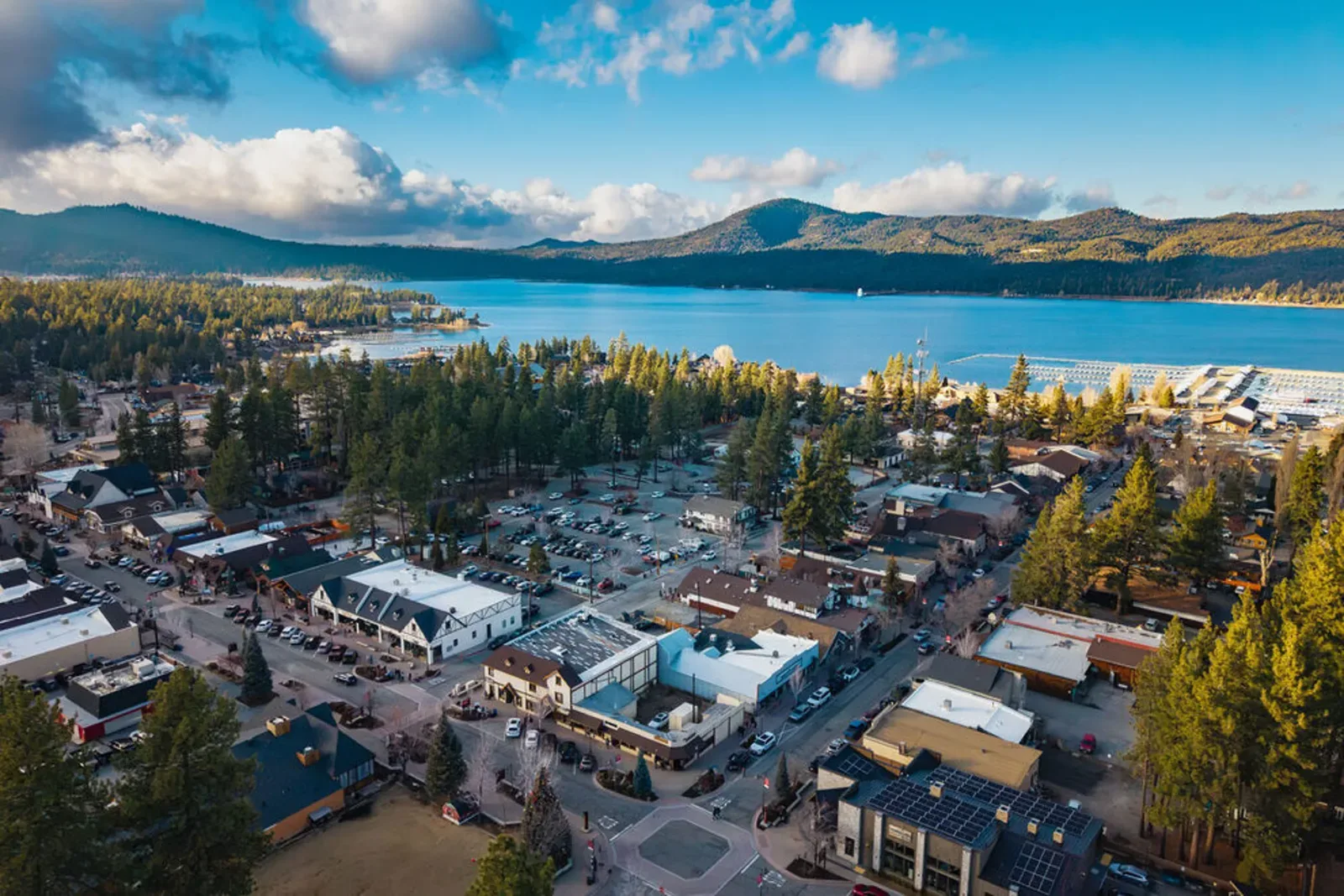
When a pipe bursts in your mountain cabin during a winter freeze or wildfire smoke infiltrates your Big Bear Lake home, every minute counts. Property damage can escalate quickly in our mountain environment, turning minor issues into major restoration projects that threaten both your property value and family safety.
Our comprehensive damage restoration services address the full spectrum of property emergencies that Big Bear Lake residents face:
- Water Damage Restoration - Rapid extraction and drying to prevent structural damage
- Flooded Basement - Complete moisture removal and foundation protection
- Sewage Cleanup - Safe sanitization and contamination elimination
- Fire Damage Restoration - Structural repair and debris removal
- Smoke Damage Restoration - Odor elimination and air quality restoration
- Mold Removal - Professional remediation and prevention strategies
Mountain properties face unique challenges from seasonal weather patterns, elevation-related pressure changes, and limited access during emergencies. Our local expertise means faster response times and restoration methods specifically designed for Big Bear Lake's climate and housing characteristics.
Common Damage Restoration Issues in Big Bear Lake, California
Big Bear Lake's mountain environment creates specific damage patterns that property owners must understand. Elevation changes, temperature extremes, and seasonal weather create perfect conditions for various types of property damage.
The most frequent restoration challenges include:
- Freeze-thaw water damage - Pipes burst when temperatures drop below freezing, often in crawl spaces and exterior walls
- Snow load basement flooding - Rapid snowmelt overwhelms drainage systems, sending water into lower levels
- Wildfire smoke infiltration - Seasonal fires deposit smoke particles throughout HVAC systems and porous materials
- Sewage backups from ground freeze - Frozen ground prevents proper drainage, causing waste system failures
- Cabin moisture accumulation - Seasonal occupancy patterns create humidity imbalances leading to mold growth
- Fireplace and chimney damage - Heavy use during cold months increases fire and smoke damage risks
Warning signs specific to our mountain climate include:
- Ice dams forming along rooflines during winter months
- Musty odors when opening seasonal properties
- Water stains appearing after heavy snow or rain events
- Smoke odors persisting after fireplace use
- Visible mold growth in bathrooms and basements during humid summer months
Neighborhoods We Serve in Big Bear Lake
Our restoration teams provide comprehensive damage repair services throughout the Big Bear Lake area and surrounding mountain communities:
- Big Bear Lake Village - Historic downtown area with mixed residential and commercial properties
- Big Bear City - Established neighborhoods with year-round residents
- Moonridge - Popular ski area with seasonal cabins and vacation rentals
- Sugarloaf - Wooded residential community with custom homes
- Erwin Lake - Lakefront properties requiring specialized water damage protocols
- Fawnskin - North shore communities with unique access challenges
- Running Springs - Adjacent mountain community with similar restoration needs
- Arrowbear Lake - Smaller mountain community within our service radius
Each neighborhood presents distinct challenges, from lakefront moisture issues to remote cabin access difficulties during winter storms. Our local knowledge ensures appropriate equipment and techniques for every location.
Seasonal Damage Patterns in Big Bear Lake
Understanding Big Bear Lake's seasonal damage patterns helps property owners prepare for and prevent common restoration emergencies throughout the year.
Winter (December - February):
- Peak water damage from frozen pipes and ice dams
- Increased fire damage from fireplace and heating system overuse
- Sewage backup incidents due to frozen ground conditions
Spring (March - May):
- Snowmelt flooding in basements and crawl spaces
- Mold discovery in seasonal properties being reopened
- Water damage from rapid temperature fluctuations
Summer (June - August):
- Wildfire smoke damage during fire season
- Mold growth from increased humidity and occupancy
- Fire damage from dry conditions and increased activity
Fall (September - November):
- Smoke damage preparation and cleanup from fire season
- Water damage from early freeze events
- Mold prevention measures before winter closure
Housing Characteristics & Restoration Considerations
Big Bear Lake's housing stock presents unique restoration challenges due to the area's development history and mountain construction requirements. Most properties were built between 1960-1990, with a significant portion being seasonal cabins rather than year-round residences.
Common construction types affecting restoration approaches include:
- Log and timber frame cabins - Require specialized drying techniques for water damage and careful smoke damage treatment
- A-frame structures - Present access challenges for mold removal in upper areas and unique fire damage patterns
- Raised foundation homes - Vulnerable to freezing pipes in crawl spaces and basement flooding from snowmelt
- Slab-on-grade construction - Sewage cleanup complications due to limited access under flooring
- Stone and masonry elements - Absorb smoke and require specialized cleaning techniques
Age-related restoration considerations:
- Older plumbing systems more susceptible to freeze damage
- Original insulation may contain asbestos, complicating fire and water damage restoration
- Outdated electrical systems increase fire damage risks
- Limited vapor barriers in older construction promote mold growth
- Single-pane windows contribute to condensation and water damage
Many properties serve as vacation rentals, creating additional challenges with irregular occupancy patterns that can mask developing damage issues until they become severe restoration emergencies.
Environmental Conditions & Damage Implications
Big Bear Lake's unique environmental conditions at 6,750 feet elevation create specific challenges for damage restoration services. The mountain climate, soil composition, and seasonal weather patterns directly influence how different types of damage develop and spread.
Climate factors affecting restoration needs:
- Temperature extremes - Winter lows below 20°F cause pipe freezing, while summer heat accelerates mold growth
- Low humidity in winter - Creates rapid moisture evaporation but also wood shrinkage and structural gaps
- High summer humidity - Promotes mold growth and complicates water damage drying processes
- Intense UV exposure - Degrades materials and affects smoke damage assessment
- Rapid weather changes - Create pressure differentials that drive water and smoke into building materials
Soil and water conditions impacting restoration:
- Rocky, poorly draining soil increases basement flooding risks during snowmelt
- High mineral content in local water creates scaling issues during cleanup
- Seasonal water table fluctuations affect sewage system performance
- Granite bedrock limits drainage options for water damage mitigation
Air quality considerations:
- Wildfire smoke events require specialized filtration during restoration
- Thin air at elevation affects equipment performance and drying rates
- Seasonal inversions trap pollutants, complicating smoke damage assessment
- Pollen and organic debris contribute to mold growth in damaged areas
Mountain Property Access & Emergency Response Challenges
Big Bear Lake's mountain terrain and seasonal weather conditions create unique obstacles for damage restoration services that don't exist in urban areas. Understanding these challenges helps property owners prepare for emergencies and work effectively with restoration professionals.
Access limitations during restoration emergencies:
- Winter road closures - Chain requirements and snow-blocked roads can delay emergency response by hours
- Narrow mountain roads - Limit equipment size and require specialized vehicles for heavy restoration machinery
- Remote property locations - Some cabins require 4WD access or hiking to reach with equipment
- Limited utility infrastructure - Power outages complicate water extraction and drying processes
- Seasonal road maintenance - Spring washouts and fall debris can block access to damaged properties
Equipment and logistics considerations specific to mountain restoration:
- High-altitude adjustments needed for dehumidification and air movement equipment
- Generator requirements due to unreliable power grid during storms
- Water source limitations for fire damage cleanup and sewage dilution
- Waste disposal challenges due to limited local facilities
- Extended response times requiring immediate damage mitigation by property owners
Communication challenges during mountain emergencies:
- Spotty cell coverage requires alternative contact methods
- Property managers may be off-site during seasonal closures
- Neighbor notification systems less reliable than urban areas
- Emergency services coordination complicated by jurisdiction boundaries
Successful mountain property restoration requires pre-planning, local contractor relationships, and understanding that response times will exceed urban standards. Property owners should maintain emergency contact lists, basic mitigation supplies, and clear access instructions for restoration teams responding to water damage, fire damage, smoke damage, mold issues, sewage problems, or basement flooding emergencies.





