
Damage Restoration in North Scituate, MA
- Damage Restoration Services Overview
- Common Damage Restoration Issues in North Scituate, Massachusetts
- Neighborhoods We Serve in North Scituate
- Seasonal Damage Patterns in North Scituate
- Housing Characteristics & Restoration Considerations
- Environmental Conditions & Damage Implications
- Nor'easter Response and Coastal Flood Recovery in North Scituate
Damage Restoration Services Overview
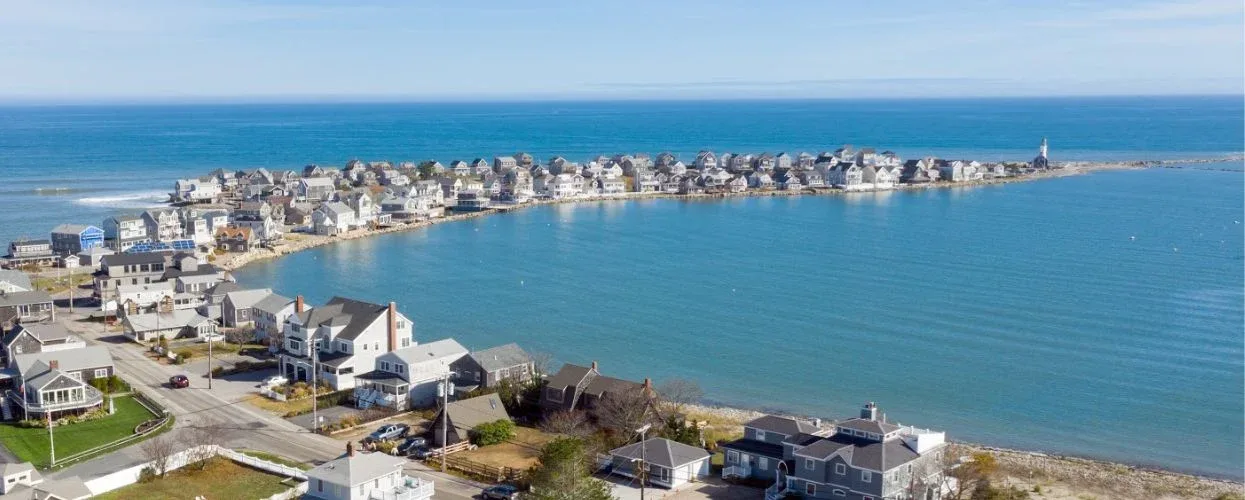
Coming home to standing water in the basement or the smell of smoke in the hallway rattles anyone. In a coastal village like North Scituate, where storm surge and salt air are part of daily life, damage rarely waits for a convenient moment.
Restoration work restores both the structure and the sense of normalcy that property damage takes away. Trained technicians follow documented drying, cleaning, and rebuilding standards rather than guesswork.
Services Available to North Scituate Property Owners
- Water Damage Restoration - extraction, structural drying, moisture mapping, and controlled rebuild after burst pipes, roof leaks, or appliance failures.
- Flooded Basement Cleanup - pumping, sump support, content removal, and dehumidification for below-grade spaces after nor'easters and groundwater surges.
- Sewage Cleanup - biohazard-rated removal of Category 3 water, antimicrobial treatment, and disposal of porous materials.
- Fire Damage Restoration - debris removal, soot cleaning, structural stabilization, and reconstruction planning.
- Smoke Damage Restoration - odor neutralization, HVAC cleaning, and treatment of contents holding smoke residue.
- Mold Removal - containment, air filtration, affected material removal, and moisture source correction.
Why It Matters Locally
- Humid coastal air slows natural drying and speeds secondary damage.
- Older homes hide moisture inside plaster walls and wood-framed cavities.
- Documentation supports insurance claims for storm and water losses.
Common Damage Restoration Issues in North Scituate, Massachusetts
North Scituate sits close enough to the Atlantic that weather drives most restoration calls. Wind-driven rain, tidal flooding, and freeze-thaw cycles create a predictable set of problems.
Frequent Causes of Loss
- Nor'easter surge pushing water into basements, crawlspaces, and garage slabs near the shoreline and Gannett Road corridor.
- Frozen and burst supply lines in uninsulated crawlspaces, seasonal cottages, and unheated second homes.
- Sewer and septic backups when saturated soils overwhelm leach fields or municipal lines surcharge during heavy rain.
- Appliance and HVAC failures - condensate overflows, water heater ruptures, washing machine hose splits that quietly saturate subfloors.
- Chimney, woodstove, and kitchen fires during the long heating season.
- Hidden mold growth behind baseboards, under carpet pads, and inside insulated exterior walls.
Warning Signs Worth Acting On
- Musty odor that strengthens on humid days or after rain.
- Cupping hardwood, bubbling paint, or chalky white staining on foundation walls.
- Slow floor drains or gurgling fixtures - often the first hint of a sewage backup.
- Soot film on window glass, lampshades, or HVAC registers after a small fire.
- Rust at the base of water heaters or dampness around washer connections.
- Persistent respiratory irritation that improves when occupants leave the house.
Early response narrows the scope of repair. Water left standing beyond a day or two often shifts a straightforward drying job into demolition, mold remediation, and reconstruction.
Neighborhoods We Serve in North Scituate
Coverage spans the village and the surrounding South Shore communities, with crews familiar with local road access and coastal conditions.
- North Scituate Village - Gannett Road, Hatherly Road, and the business district near the train station.
- Minot and Minot Beach - shorefront homes exposed to surge and salt spray.
- Sand Hills and Egypt Beach - dense seasonal and year-round housing on low-lying lots.
- Scituate Harbor and Front Street - mixed residential and commercial properties.
- Humarock and Rivermoor - river-influenced flooding and tidal backflow.
- Greenbush and West Scituate - inland neighborhoods with septic systems and wooded lots.
Nearby towns including Cohasset, Norwell, Marshfield, Hingham, and Hull are served from the same Scituate base, which keeps arrival times short when several properties are affected by one storm.
Seasonal Damage Patterns in North Scituate
Winter (December - March)
- Frozen pipe bursts in crawlspaces, attics, and vacant seasonal homes.
- Nor'easter surge flooding along Minot, Sand Hills, and Humarock.
- Ice damming that pushes meltwater into ceilings and exterior wall cavities.
- Peak heating-season fire and smoke calls from chimneys, space heaters, and woodstoves.
Spring (April - June)
- Snowmelt and rain raising groundwater, overwhelming sump pumps.
- Septic and sewer backups in saturated soils.
- First mold discoveries as temperatures rise over winter-damp materials.
Summer (July - September)
- Humidity-driven mold in basements, closets, and behind furniture.
- Air conditioning condensate overflows and clogged drain lines.
- Tropical storm remnants bringing wind-driven rain intrusion.
Fall (October - November)
- Early nor'easters and coastal storms flooding basements.
- Clogged gutters routing roof water to foundations.
- Heating equipment restarts causing puffback soot events in oil-fired systems.
Housing Characteristics & Restoration Considerations
North Scituate's housing stock blends historic New England homes, mid-century capes and ranches, converted summer cottages, and newer coastal construction. Each type responds differently to water, fire, and mold.
Common Construction Types
- Pre-1940 homes - plaster and lath, balloon framing, fieldstone or brick foundations that wick groundwater.
- Post-war capes and ranches - poured concrete basements, finished lower levels, and original cast iron drain lines.
- Converted cottages - shallow crawlspaces, minimal insulation, and piers vulnerable to surge.
- Elevated coastal rebuilds - engineered above base flood elevation, with mechanicals raised out of harm's way.
How Age and Design Shape the Work
- Balloon framing lets water and smoke travel vertically between floors, requiring inspection well beyond the visible damage zone.
- Plaster holds moisture longer than drywall, so drying plans use longer dehumidification cycles and cavity drying equipment.
- Finished basements combine carpet, pad, and paper-faced drywall - materials that rarely survive Category 3 sewage water.
- Fieldstone foundations allow lateral seepage that must be corrected before mold remediation is considered complete.
- Older knob-and-tube or aging wiring calls for electrical safety checks after fire and water losses.
- Pre-1980 materials may contain asbestos or lead, requiring testing before demolition.
Homes with basement mechanicals - furnace, water heater, electrical panel - face steeper losses when flooding occurs, which is why relocation or elevation of equipment often becomes part of the rebuild conversation.
Environmental Conditions & Damage Implications
The village sits in a humid continental climate moderated by the Atlantic. That combination produces mild but damp conditions much of the year and complicates every drying project.
Climate and Moisture Factors
- Summer dew points frequently push indoor humidity above the threshold where mold colonizes within days.
- Coastal fog and onshore breezes keep exterior materials damp, slowing evaporation.
- Freeze-thaw cycles crack foundation mortar and open new seepage paths each winter.
- Salt aerosol accelerates corrosion on HVAC coils, fasteners, and electrical contacts after water events.
Soil, Water, and Air Conditions
- Sandy coastal soils drain quickly but transmit tidal groundwater toward foundations at high tide.
- Glacial till and clay pockets inland hold water against basement walls after heavy rain.
- High water tables limit how deep a sump pit can effectively work in low-lying neighborhoods.
- Septic systems in saturated ground can surcharge, creating sewage contamination inside the home.
Restoration Adjustments
- Desiccant or high-capacity refrigerant dehumidifiers are used when outdoor air offers no drying advantage.
- HEPA air filtration runs during mold and fire cleanup to control airborne particulate.
- Smoke odor treatment accounts for humid air reactivating residues on porous surfaces.
- Moisture meters and thermal imaging verify results rather than relying on surface appearance.
Nor'easter Response and Coastal Flood Recovery in North Scituate
Few communities on the South Shore know nor'easters the way North Scituate does. When a storm stacks wind, surge, and astronomical high tide, seawater moves across Gannett Road, Sand Hills, and the Minot shoreline within a single tide cycle.
What Coastal Storm Damage Looks Like
- Salt water in basements, which corrodes mechanicals and leaves residue that draws moisture long after drying.
- Wind-driven rain forced past siding, window flanges, and roof edges into wall cavities.
- Sand and debris deposits mixed with fuel oil, septic waste, or stormwater contaminants.
- Power loss disabling sump pumps at the exact moment they are needed most.
- Ice and cold slowing evaporation, extending the window for mold growth.
Sequence of Response After a Storm
- Confirm safety - utilities, structural stability, and contamination category before entry.
- Extract standing water and remove saturated debris and unsalvageable contents.
- Rinse and treat salt-contaminated surfaces to prevent ongoing moisture attraction.
- Set containment and negative air where sewage or mold is involved.
- Install drying equipment with daily moisture readings and documented logs.
- Remove materials that cannot be dried in place, including wet insulation and pad.
- Apply antimicrobial treatment and verify readings before rebuilding.
- Reconstruct finishes with attention to elevating vulnerable mechanicals.
Preparing Between Storms
- Test sump pumps and add battery or water-powered backup before winter.
- Install backflow prevention on basement drains where sewage backup is a known risk.
- Store valuables and documents above expected flood levels.
- Photograph finished basements and contents for future claim documentation.
- Service heating equipment early to reduce puffback and chimney fire risk.
Documented moisture readings, photo records, and material inventories give insurers what they need and shorten the path from damaged to rebuilt.





