
Damage Restoration in Randolph, MA
- Damage Restoration Services Overview
- Common Damage Restoration Issues in Randolph, Massachusetts
- Neighborhoods We Serve in Randolph
- Seasonal Damage Patterns in Randolph
- Housing Characteristics & Restoration Considerations
- Environmental Conditions & Damage Implications
- Why 24/7 Response Matters for Randolph Homeowners
Damage Restoration Services Overview
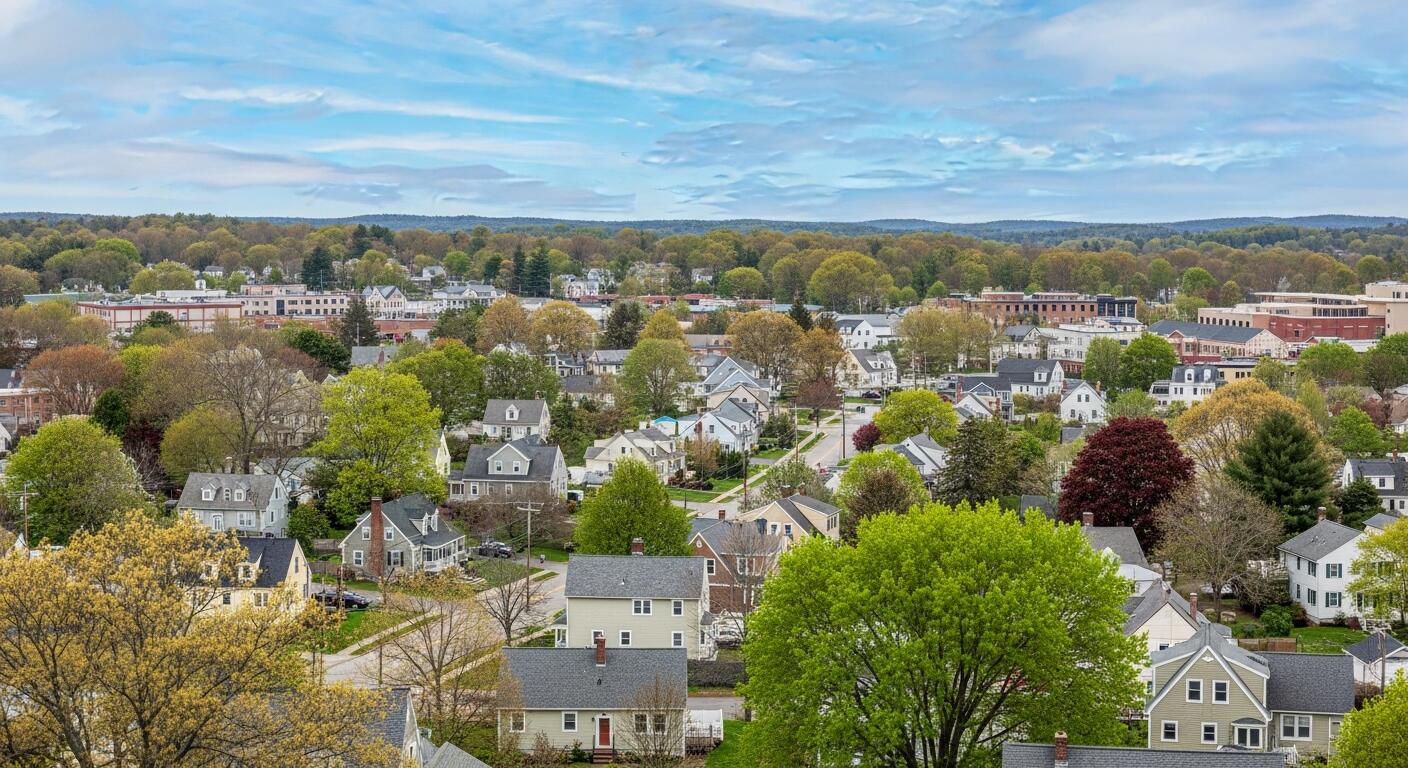
Property damage rarely announces itself. A pipe splits behind a kitchen wall at 2 a.m., a storm drain backs up into a finished basement, or a stovetop fire leaves soot across two floors - and suddenly a Randolph homeowner is making decisions under pressure. Fast, coordinated restoration keeps a bad day from becoming a months-long ordeal.
Randolph properties are served by a full range of mitigation and rebuild work, including:
- Water damage restoration - extraction, structural drying, moisture mapping and monitoring after pipe breaks, appliance failures and roof leaks
- Flooded basement cleanup - pumping standing water, drying slabs and framing, salvaging contents and treating below-grade humidity
- Sewage cleanup - safe removal of contaminated water and porous materials, antimicrobial treatment and deodorization
- Fire damage restoration - board-up, debris removal, structural cleaning and coordinated reconstruction
- Smoke damage restoration - soot removal from surfaces and HVAC systems, plus odor neutralization that goes beyond masking
- Mold removal - containment, source correction, affected material removal and post-remediation verification
The benefit for Randolph residents is simple: damage that is stopped early costs less, spreads less, and disrupts life far less than damage left to sit. Crews resolve the active problem first, then restore and protect what remains.
Common Damage Restoration Issues in Randolph, Massachusetts
Randolph sits in a low, wet corner of Norfolk County where the Cochato River, Great Pond and a network of brooks and wetlands keep groundwater high. That geography, combined with mid-century housing stock and hard New England winters, drives most local restoration calls.
Frequent Causes of Damage
- Frozen and burst supply lines in uninsulated crawl spaces, garages and exterior walls during January and February cold snaps
- Groundwater intrusion through foundation cracks and cove joints in basements built on dense glacial till
- Sump pump failure during power outages from nor'easters and summer thunderstorms
- Sewer and floor drain backups when heavy rain overloads municipal lines and older private laterals
- Kitchen and electrical fires, plus chimney and space heater incidents during long heating seasons
- Hidden mold growth behind finished basement paneling, under carpet padding and inside bath walls
Warning Signs Worth Acting On
- A musty smell that intensifies when the basement door opens or the HVAC runs
- Efflorescence, chalky white streaking or peeling paint on foundation walls
- Buckling hardwood, cupped laminate, or tile that sounds hollow underfoot
- Stained ceiling tiles or discolored drywall seams below a bathroom
- Lingering smoke odor that returns on humid days after a small fire
- Gurgling drains or slow toilets - often the first hint of a sewer line problem
Any of these signals deserves a moisture reading rather than a guess. Water travels through wall cavities and under flooring long before it becomes visible, and mold colonies establish quickly in the warm, damp conditions common to Randolph basements.
Neighborhoods We Serve in Randolph
Restoration crews cover all of Randolph, from dense residential streets near the town center to the quieter subdivisions along the town's western and southern edges.
- Randolph Center and the North Main Street corridor, including older multi-family and mixed-use buildings
- Devine Corner and neighborhoods off North Street
- Tower Hill and the streets surrounding Randolph High School
- West Corner and areas near Powers Farm and the Cochato River
- Neighborhoods bordering Great Pond, Ponkapoag and the Blue Hills Reservation edge
- Residential streets off South Main Street, Union Street and Highland Avenue
Service also extends to surrounding communities including Holbrook, Braintree, Avon, Stoughton, Canton, Milton and Quincy. Familiarity with Route 24, Route 28 and Route 128 access points helps crews reach properties quickly, day or night.
Seasonal Damage Patterns in Randolph
Each season brings a different set of restoration calls, and knowing the pattern helps homeowners prepare before trouble arrives.
- December through February - Frozen and burst pipes dominate. Ice dams push meltwater under shingles into ceilings and exterior walls. Heating equipment, chimneys and space heaters drive fire and smoke damage.
- March and April - Snowmelt combines with spring rain and a high water table, producing the heaviest volume of flooded basement and sump pump failure calls of the year.
- May and June - Mold becomes visible as temperatures rise and winter moisture that never fully dried begins colonizing drywall, framing and stored contents.
- July and August - Thunderstorms cause sudden street flooding and sewage backups. High humidity keeps basements damp, and air conditioning condensate lines clog and overflow.
- September through November - Nor'easters and remnants of tropical systems bring wind-driven rain, roof leaks and power outages that disable sump pumps. Heating systems fire up after months idle, raising fire risk.
Year-round, appliance failures - water heaters, washing machines, dishwashers and refrigerator supply lines - account for a steady share of emergency water calls regardless of the calendar.
Housing Characteristics & Restoration Considerations
Randolph's housing stock is largely postwar, with a heavy concentration of homes built between the 1950s and 1970s during the town's suburban expansion, plus older colonials and capes near the center and newer condominium developments added in recent decades.
Common Construction Types and What They Mean
- Ranches and split-levels - Low profiles and finished lower levels put living space directly against the foundation, so basement water intrusion damages carpet, paneling and framing immediately.
- Capes and colonials - Knee walls and finished attics trap moisture from ice dams and create hidden mold pockets that require careful inspection.
- Multi-family and two-family homes - Shared plumbing stacks and stacked bathrooms mean a single failure can affect multiple units, requiring coordinated drying across floors.
- Condominium buildings - Common walls, shared HVAC and association boundaries call for clear documentation of what belongs to the unit versus the building.
Age-Related Restoration Factors
- Galvanized and early copper plumbing corrodes and develops pinhole leaks that saturate wall cavities before anyone notices.
- Asbestos-containing materials in floor tile, pipe insulation and joint compound require testing before demolition in pre-1980 homes.
- Cast iron sewer laterals crack and scale, contributing to backups that call for full sewage decontamination.
- Plaster and lath walls hold water differently than drywall and often need injection drying rather than removal.
- Knob-and-tube or dated wiring raises fire risk and complicates post-fire rebuilds where code upgrades apply.
Restoration plans account for these variables rather than applying a single template to every address.
Environmental Conditions & Damage Implications
Randolph's climate and soils create conditions that favor persistent moisture - the single largest factor in local restoration work.
Climate and Moisture
- Roughly 45-50 inches of annual precipitation spread fairly evenly across the year, with no reliable dry season for drying out a wet structure
- Summer dew points regularly in the 60s, pushing indoor humidity high enough for mold growth without dehumidification
- Repeated freeze-thaw cycles that widen foundation cracks and stress plumbing in unconditioned spaces
- Coastal storm influence from Massachusetts Bay, bringing wind-driven rain that finds gaps in siding, flashing and window seals
Soil, Water Table and Drainage
- Dense glacial till and clay-rich subsoil drain slowly, holding water against foundation walls after storms
- Wetlands and stream corridors near the Cochato River and Great Pond keep the water table high in parts of town
- Hydrostatic pressure forces water through cove joints, tie holes and slab cracks even where no visible crack exists
- Mature tree canopy contributes root intrusion into older sewer laterals and clogs gutters that then overflow at the foundation
Air Quality Implications
After fire or smoke damage, soot particles and volatile residues circulate through ductwork and settle on porous surfaces, where humidity reactivates odors weeks later. In damp basements, elevated mold spore counts affect the whole house through the stack effect. Effective work addresses air quality directly - HEPA filtration, negative air containment, duct cleaning and controlled dehumidification - not just visible surfaces.
Why 24/7 Response Matters for Randolph Homeowners
The window between a loss and the start of mitigation determines how much a Randolph property owner ultimately loses. Water migrates into wall cavities within hours. Mold can begin establishing within 24 to 48 hours in the humid conditions typical of local basements. Soot becomes acidic and etches metal, glass and finishes the longer it sits. Sewage contamination spreads bacteria into porous materials almost immediately.
What Rapid Local Response Delivers
- Emergency arrival at any hour - burst pipes and backups do not wait for business hours, and Randolph's location off Routes 24 and 28 allows quick access from surrounding service hubs
- Immediate stabilization - water shutoff, extraction, board-up, tarping and power management before secondary damage develops
- Documentation from the first hour - moisture readings, photos and scope notes that support an insurance claim rather than complicating it
- Single-source continuity - the same team handling mitigation, remediation and reconstruction, so nothing is lost between contractors
How the Process Typically Unfolds
- Emergency call taken and a crew dispatched with extraction and drying equipment
- On-site assessment: source identification, moisture mapping, contamination category and safety hazards
- Containment and stabilization - stopping the water, isolating affected zones, protecting unaffected areas
- Removal of unsalvageable materials, cleaning, antimicrobial application and odor treatment
- Structural drying with air movers and dehumidifiers, monitored daily until readings return to normal
- Verification, then repairs and rebuild to return the space to pre-loss condition
Local Knowledge That Speeds the Work
Crews familiar with Randolph know which neighborhoods sit lowest, which streets back up during heavy rain, how the town's mid-century foundations behave when saturated, and what permitting and code considerations apply to rebuilds. That familiarity shortens the diagnostic stage and gets drying equipment running sooner - which is where real savings and real peace of mind come from.





