
Damage Restoration in Franklin Town, MA
- Damage Restoration Services Overview
- Common Damage Restoration Issues in Franklin Town, Massachusetts
- Neighborhoods We Serve in Franklin Town
- Seasonal Damage Patterns in Franklin Town
- Housing Characteristics & Restoration Considerations
- Environmental Conditions & Damage Implications
- Insurance Documentation and IICRC Standards for Franklin Property Losses
Damage Restoration Services Overview
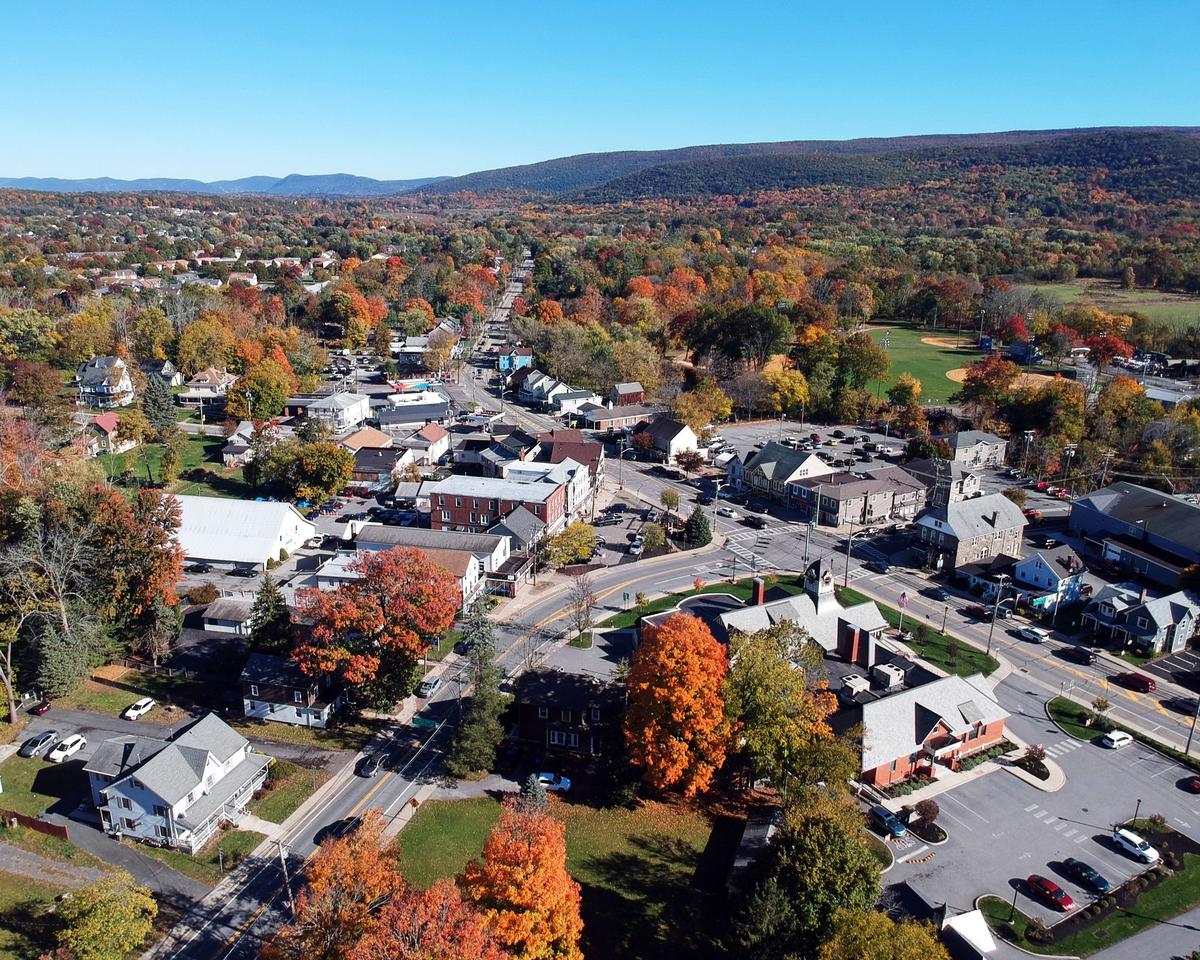
Franklin sits on the drainage divide between the Charles River and the Blackstone watershed - meaning water leaving town flows two directions, and groundwater under many neighborhoods sits higher than homeowners expect. That hydrology is why so many Franklin basements take on water during a heavy spring thaw, even blocks from any visible stream.
Property damage rarely arrives alone. A burst supply line becomes microbial growth in days. A kitchen fire leaves behind smoke residues that travel through every return duct in the house.
Franklin Town property owners have access to a full range of restoration disciplines:
- Water Damage Restoration - extraction, structural drying, moisture mapping, and documentation for insurance carriers
- Flooded Basement - sump failure response, pumping, dehumidification, and content triage
- Sewage Cleanup - Category 3 contamination removal, antimicrobial treatment, and safe disposal of porous materials
- Fire Damage Restoration - board-up, debris removal, structural cleaning, and reconstruction coordination
- Smoke Damage Restoration - soot removal, thermal fogging, HVAC cleaning, and odor neutralization
- Mold Removal - containment, HEPA filtration, affected material removal, and moisture-source correction
Key benefits for local homeowners include faster drying that limits secondary damage, cleaner indoor air after a loss, and thorough photo and moisture-log documentation that supports a smoother claim with Massachusetts insurers.
Common Damage Restoration Issues in Franklin Town, Massachusetts
Franklin's mix of dense glacial till soil, mature tree canopy, and homes built across three centuries creates a predictable set of loss patterns. Knowing the warning signs early keeps a small problem from becoming a gut-and-rebuild project.
Frequent Causes of Loss
- Frozen and burst pipes in unheated crawlspaces, garage walls, and older additions during January and February cold snaps
- Sump pump failure during power outages tied to nor'easters and summer thunderstorm cells
- Hydrostatic pressure pushing groundwater through cracked foundation walls and cold joints
- Sewer and septic backups - Franklin has both municipal sewer sections and private septic systems, and both fail under saturated ground conditions
- Ice damming along low-slope roofs and dormers, forcing meltwater into wall cavities
- Kitchen and heating-system fires, plus chimney and woodstove issues in older homes
- Failed water heaters, dishwashers, and washing machine supply hoses
Warning Signs Worth Acting On
- Musty odor in a finished basement or near a first-floor bathroom
- Efflorescence - white chalky residue - on foundation walls
- Tapered stains on ceilings below bathrooms or attic hatches
- Cupping or crowning hardwood, especially near exterior doors
- Persistent smoke odor that returns on humid days after a small fire
- Slow drains on multiple fixtures at once, often the first hint of a main line or septic problem
- Allergy-style symptoms that improve when occupants leave the house
Any of these signals a moisture or contamination source that will keep working behind finishes until it is located and corrected.
Neighborhoods We Serve in Franklin Town
Restoration crews work throughout Franklin's residential districts, commercial corridors, and the surrounding Norfolk County communities.
- Downtown Franklin and the historic district near Dean College, with older multi-family and mixed-use buildings
- Unionville and the Upper Union Street corridor
- Wachusett Street and Populatic Pond areas, where lower-lying lots see seasonal groundwater
- City Mills and the Charles River corridor near the Medway line
- Pond Street, Chestnut Street, and King Street neighborhoods
- Forge Hill and Oak Street subdivisions with 1990s and 2000s colonials
- Franklin State Forest edge properties with heavy tree cover and shaded foundations
Service also extends to neighboring Bellingham, Medway, Millis, Wrentham, Norfolk, Plainville, and into Blackstone Valley communities toward Westborough and Worcester. Local familiarity matters - crews know which streets sit on ledge, which subdivisions share a common sump discharge design, and how Franklin's building department handles reconstruction permits.
Seasonal Damage Patterns in Franklin Town
- January - February: Peak frozen pipe season. Burst supply lines in exterior walls, ice dams on north-facing roof planes, and furnace or chimney fires during extended cold stretches.
- March - April: Snowmelt plus spring rain raises the water table. Flooded basements, sump pump overload, and foundation seepage lead the call volume. Saturated soils also stress septic leach fields, triggering sewage backups.
- May - June: Humidity climbs and mold growth accelerates in basements and crawlspaces that never fully dried out from spring. Ideal window for mold removal and moisture-source repairs.
- July - August: Thunderstorm downpours overwhelm gutters and window wells. Power outages knock out sump pumps. Air conditioning condensate lines clog and leak into ceilings.
- September - October: Tropical remnants and nor'easters bring wind-driven rain and roof intrusion. Heating systems restart, and first-burn smoke damage from dusty furnaces and unswept chimneys appears.
- November - December: Cooking fires rise around the holidays, along with candle and space heater incidents. Early freezes catch unwinterized hose bibs and vacant properties.
Damage in Franklin is rarely random - it follows the calendar, and preparation ahead of each shift reduces loss severity.
Housing Characteristics & Restoration Considerations
Franklin's housing stock spans an unusually wide range, from Federal and Greek Revival homes near the town common to large subdivisions built during the 1990s and 2000s growth wave. Each era responds differently to water, fire, and microbial damage.
Pre-1940 Homes
- Fieldstone or rubble foundations that weep under hydrostatic pressure and are difficult to fully seal
- Plaster over wood lath, which holds moisture far longer than drywall and requires slower, controlled drying
- Balloon framing that lets smoke, soot, and fire travel vertically through wall cavities unchecked
- Potential asbestos and lead-paint materials requiring regulated handling during demolition
- Knob-and-tube remnants that complicate wet-wall removal
Mid-Century Ranches and Capes
- Cast iron drain lines nearing end of life, a common source of sewage leaks inside walls
- Minimal or degraded foundation waterproofing
- Original single-pane windows contributing to condensation and window-frame mold
1990s - Present Colonials
- Finished basements with carpet, framed walls, and insulation that trap water against concrete
- Engineered wood I-joists that lose structural capacity quickly under fire exposure
- Tight building envelopes that hold humidity and smoke odor indoors without mechanical drying
- Multi-zone HVAC systems that distribute soot and spores throughout the house
Restoration planning starts with identifying the construction type, because drying strategy, containment design, and demolition scope all change accordingly.
Environmental Conditions & Damage Implications
Franklin's climate and geology set the stage for how quickly damage spreads and how hard it is to reverse.
Climate
- Roughly 48 inches of annual precipitation plus significant winter snowfall, keeping soils near saturation for much of the year
- Summer dew points routinely in the upper 60s, pushing basement relative humidity above the 60 percent threshold where mold thrives
- Sharp freeze-thaw cycling that widens foundation cracks season after season
Soil and Groundwater
- Dense glacial till and pockets of shallow ledge slow infiltration and route surface water toward foundations
- Perched water tables in low-lying areas near ponds and wetlands cause seepage even without a storm
- Poorly draining soils reduce septic leach field capacity, raising backup risk after prolonged rain
Water and Air Quality Factors
- Moderately hard municipal water accelerates scale buildup in water heaters and supply fittings, contributing to failures
- Private wells in outlying areas require post-flood testing when contamination is suspected
- Heavy tree canopy shades foundations, slows exterior drying, and drops debris that clogs gutters and window wells
- Regional summer ozone and wildfire smoke drift can compound indoor air issues after a fire loss
These conditions mean drying targets in Franklin must account for ambient humidity - simply reaching outdoor equilibrium is not enough. Effective work uses dehumidification with measured moisture content readings taken to dry-standard benchmarks before reconstruction begins.
Insurance Documentation and IICRC Standards for Franklin Property Losses
Most Franklin restoration projects run through a homeowners or commercial policy, and the quality of documentation determines how smoothly that claim moves. Experienced local contractors build the file from the first hour on site.
What Proper Documentation Includes
- Time-stamped photos of affected areas before any material is removed
- Moisture maps identifying wet materials, including behind baseboards and inside wall cavities
- Daily atmospheric readings - temperature, relative humidity, grains per pound - logged throughout the drying period
- Equipment placement records showing air mover and dehumidifier counts by room
- Category and class determinations for water losses, which drive scope decisions
- Line-item estimates written in industry-standard estimating software carriers recognize
Standards That Guide the Work
- IICRC S500 governs water damage restoration - classification of water sources, drying goals, and when materials must be removed rather than dried.
- IICRC S520 covers mold remediation - containment barriers, negative air pressure, HEPA filtration, and post-remediation verification.
- IICRC S700 addresses fire and smoke restoration - soot characterization, cleaning method selection, and odor control sequencing.
- Massachusetts regulations add requirements for lead-safe practices, asbestos handling, and licensed reconstruction work.
Working With Your Adjuster
- Report the loss promptly and keep a written record of every phone conversation
- Do not discard damaged contents before they are inventoried and photographed
- Take reasonable steps to prevent further damage - policies require it
- Ask the restoration contractor to meet the adjuster on site so scope disputes get resolved face to face
Sewage losses deserve special attention. Category 3 water carries pathogens, and porous materials - carpet, pad, insulation, drywall below the waterline - are removed rather than cleaned. A contractor who follows that standard protects both occupant health and the integrity of the claim.





