
Damage Restoration in Berea, KY
- Damage Restoration Services Overview
- Common Damage Restoration Issues in Berea, Kentucky
- Neighborhoods We Serve in Berea
- Seasonal Damage Patterns in Berea
- Housing Characteristics & Restoration Considerations
- Environmental Conditions & Damage Implications
- Working With Insurance and IICRC Standards in Madison County
Damage Restoration Services Overview
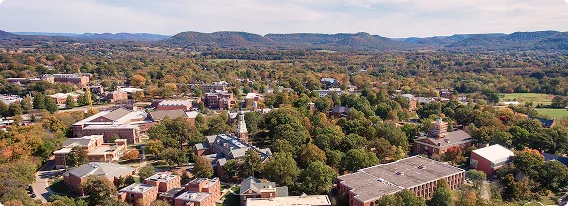
Water spreads through drywall, subfloor, and framing within minutes, and smoke residues begin etching metal and glass within hours. In Berea, where many homes sit on crawl spaces or partially finished basements, the window between a small problem and a structural one closes fast.
Round-the-clock restoration crews serve homes and businesses across Madison County with a full range of mitigation and repair work:
- Water Damage Restoration - extraction, structural drying, moisture mapping, and monitoring until materials return to dry standard
- Flooded Basement - submersible pumping, sump pit evaluation, foundation seepage tracing, and content recovery
- Sewage Cleanup - Category 3 water removal, contaminated material disposal, antimicrobial application, and odor control
- Fire Damage Restoration - board-up, debris removal, soot cleaning, structural stabilization, and reconstruction
- Smoke Damage Restoration - HVAC decontamination, thermal fogging, hydroxyl or ozone treatment, and surface-specific residue removal
- Mold Removal - containment barriers, negative air pressure, HEPA filtration, and removal of colonized porous materials
Key benefits for Berea property owners include IICRC-certified technicians, free damage inspections, documentation formatted for insurance adjusters, and direct billing that reduces out-of-pocket coordination during an already stressful period.
Common Damage Restoration Issues in Berea, Kentucky
Berea sits at the edge of the Bluegrass region where it meets the Knobs and the Cumberland foothills, and that transitional terrain drives much of the damage local crews respond to.
Local Causes of Loss
- Heavy spring rainfall running downhill toward homes built into sloped lots off Big Hill Road and Scaffold Cane Road
- Clay-heavy soils that hold water against foundation walls instead of draining away
- Aging cast iron and clay sewer laterals in older sections near the college campus that crack, root-invade, and back up
- Frozen and burst supply lines during January cold snaps, especially in vacant rentals and seasonal properties
- Failed water heaters, washing machine hoses, and refrigerator supply lines - the quiet leaks that soak subfloors for weeks
- Kitchen fires, wood stove and fireplace incidents, and space heater use in older housing stock
- Storm and wind events that lift shingles, allowing rain intrusion into attics and ceiling cavities
Warning Signs Worth Acting On
- Musty odor in a basement or crawl space that intensifies after rain
- Cupping or darkening hardwood near dishwashers, refrigerators, or exterior walls
- Efflorescence - white chalky residue - on block foundation walls
- Slow drains in multiple fixtures at once, which often precedes a sewage backup
- Soot film returning on walls or air vents after cleaning, indicating residue still in the ductwork
- Peeling paint, sagging drywall tape, or visible staining on ceilings below bathrooms
- Allergy-like symptoms that improve when occupants leave the building
Neighborhoods We Serve in Berea
Response coverage extends across the city limits and into the surrounding Madison and Rockcastle County communities.
- Downtown Berea, Old Town, and the Artisan Village district
- Berea College campus area and adjacent student rental housing
- Chestnut Street, Prospect Street, and Center Street corridors
- Walnut Meadow and the neighborhoods along Menelaus Road
- Big Hill Road, Scaffold Cane, and Disputanta-area rural properties
- Peacock Road, Glades Road, and Paint Lick Road residences
- Silver Creek and the Boone Trace vicinity
- Commercial properties along US 25 and the Exit 76 and Exit 77 corridors off I-75
Nearby service areas include Richmond, Paint Lick, Bighill, Kirksville, Waco, Mount Vernon, Livingston, and Renfro Valley. Crews stage equipment locally so trucks reach most Berea addresses quickly, day or night.
Seasonal Damage Patterns in Berea
Winter (December - February)
- Burst and frozen pipes during single-digit overnight lows
- Peak fire and smoke damage season from heating equipment, wood stoves, and holiday cooking
- Ice dams on low-slope roof sections pushing meltwater under shingles
Spring (March - May)
- Highest volume for flooded basements as saturated clay soil pushes groundwater through block walls
- Sewage backups when heavy rain overwhelms lateral lines and municipal capacity
- Severe thunderstorms and occasional tornado-warned systems producing wind and rain intrusion
Summer (June - August)
- Mold growth accelerates in humid crawl spaces and unconditioned basements
- Condensate line clogs and HVAC overflow damaging ceilings below air handlers
- Lightning strikes causing attic and electrical fires
Fall (September - November)
- Leaf-clogged gutters redirecting roof runoff against foundations
- Fireplace and chimney fires during the first cold weekends
- Ideal window for mold inspections and crawl space moisture correction before winter
Housing Characteristics & Restoration Considerations
Berea's building stock spans well over a century, and each era brings its own restoration challenges.
Older Homes (pre-1960)
- Plaster and lath walls that hold moisture differently than drywall and require slower, controlled drying
- Original hardwood floors worth salvaging with mat drying systems rather than demolition
- Balloon framing that lets water and smoke travel vertically between floors without visible signs
- Potential asbestos in floor tile, mastic, and pipe wrap - requires testing before demolition
- Galvanized supply lines and cast iron drains prone to failure and sewage backup
Mid-Century and Ranch Homes
- Unvented or poorly vented crawl spaces where humidity feeds mold on floor joists
- Block foundations with limited waterproofing, common sources of basement seepage
- Original ductwork under the floor that traps soot and water and often needs full decontamination
Newer Construction and Manufactured Housing
- Tighter building envelopes trap moisture, so drying must pair dehumidification with air movement
- Engineered wood subfloor and OSB that swell permanently once saturated
- Vinyl wall coverings and belly wrap in manufactured homes that hide standing water
Restoration plans in Berea start with moisture meter readings, thermal imaging, and material identification so that only unsalvageable components come out - preserving historic character where possible while eliminating hidden reservoirs of water and contamination.
Environmental Conditions & Damage Implications
Berea's humid subtropical climate produces roughly 45 to 50 inches of annual precipitation, with warm, sticky summers and freeze-thaw winters. Those conditions shape nearly every restoration decision made here.
Moisture and Humidity
- Summer outdoor dew points frequently exceed 65 degrees, meaning open windows add moisture instead of removing it - drying requires sealed environments and commercial dehumidifiers
- Crawl spaces commonly run above 70 percent relative humidity, the threshold where mold colonizes wood framing
- Winter freeze-thaw cycling opens hairline cracks in block and poured foundations, creating new seepage paths each spring
Soil and Groundwater
- Clay and silty loam soils drain slowly and exert hydrostatic pressure against basement walls
- Karst limestone geology across parts of Madison County means groundwater moves unpredictably, sometimes surfacing in basements that never previously flooded
- Steep grades near the Knobs concentrate surface runoff toward downhill structures
Air Quality Factors
- Smoke particulate from structure fires settles into HVAC systems, insulation, and porous contents, requiring HEPA filtration and duct cleaning rather than surface wiping alone
- Pollen and agricultural dust in spring add to the load on air scrubbers during containment work
- Sewage events introduce bacteria and endotoxins that demand negative air pressure and full PPE protocols
Post-remediation verification - moisture logs, clearance testing, and documented dry standards - confirms conditions are corrected rather than simply hidden behind new drywall.
Working With Insurance and IICRC Standards in Madison County
Most Berea property owners face two challenges at once: stopping the damage and proving what happened to an insurance carrier. Restoration crews that follow published industry standards make the second challenge far easier.
The Standards That Guide the Work
- ANSI/IICRC S500 - governs water damage restoration, including the three water categories and four classes of loss that determine drying strategy
- ANSI/IICRC S520 - governs mold remediation, containment design, and clearance criteria
- ANSI/IICRC S700 - governs fire and smoke damage restoration, residue classification, and cleaning methods
- Kentucky plumbing and building codes for any reconstruction that follows mitigation
How a Typical Claim Progresses
- Emergency call taken and a crew dispatched, with instructions on shutting off water or evacuating if needed
- Free on-site inspection using moisture meters, thermal imaging, and hygrometers to map the affected area
- Photo and video documentation captured before any material is removed or cleaned
- Scope written in industry-standard estimating software the adjuster already uses
- Emergency mitigation begins - extraction, pumping, containment, board-up, or contaminated material removal
- Daily moisture readings logged and shared, showing measurable progress toward dry standard
- Direct billing submitted to the carrier so the property owner generally handles only the deductible
- Reconstruction and final walkthrough once verification confirms the structure is dry and clean
What Helps Your Claim
- Photograph damage before moving anything, including contents and standing water
- Keep receipts for temporary lodging, fans, or supplies purchased
- Report the loss to your carrier promptly - delayed reporting is a common denial reason
- Avoid running a home HVAC system after a fire or sewage event until it has been inspected
- Ask for the drying log and any clearance test results at project close
Local crews familiar with Berea's housing stock, soil behavior, and municipal sewer layout can often identify the source faster - and a faster diagnosis means less material lost.





