
Damage Restoration in Rathdrum, ID
- Damage Restoration Services Overview
- Common Damage Restoration Issues in Rathdrum, Idaho
- Neighborhoods We Serve in Rathdrum
- Seasonal Damage Patterns in Rathdrum
- Housing Characteristics & Restoration Considerations
- Environmental Conditions & Damage Implications
- Wildfire Smoke and Indoor Air Quality Management
Damage Restoration Services Overview
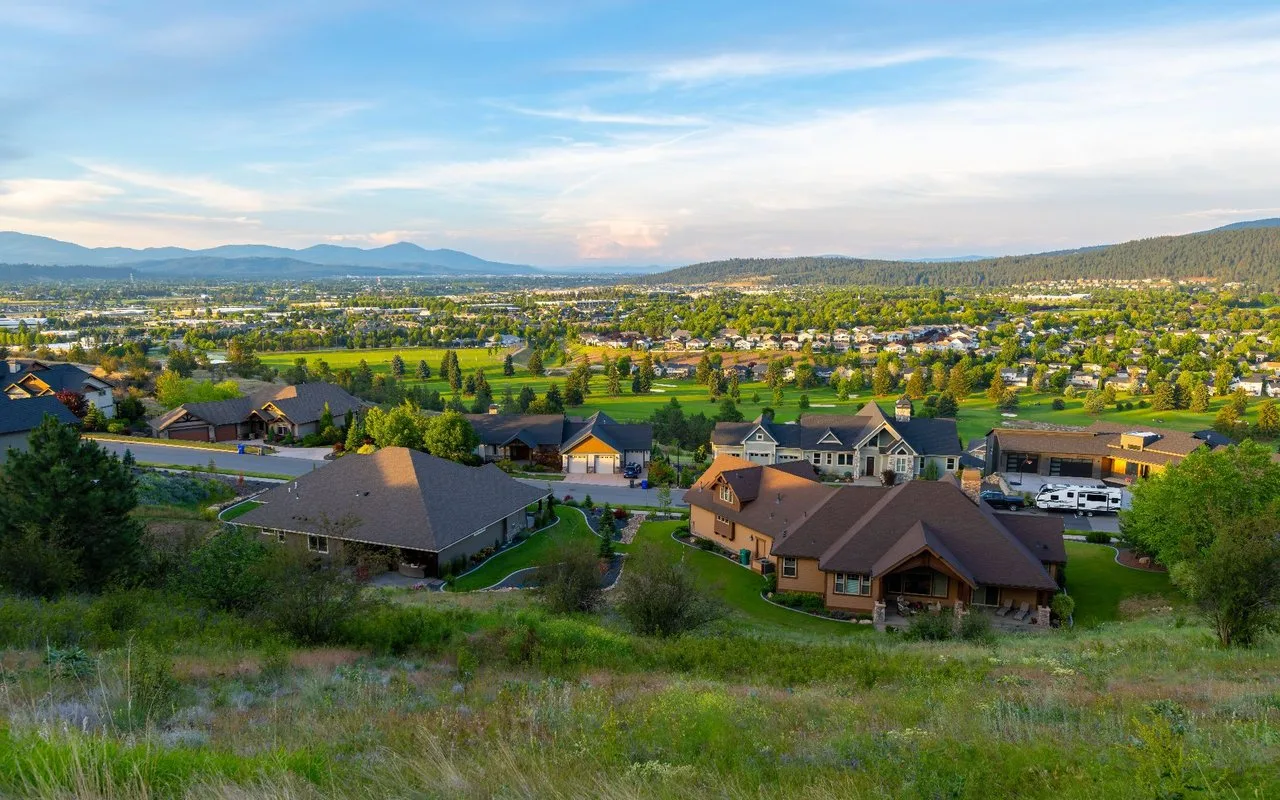
When disaster strikes your Rathdrum property, immediate action can mean the difference between minor repairs and extensive reconstruction. Property damage from water, fire, smoke, or mold spreads rapidly, causing secondary damage that multiplies restoration costs and extends recovery time.
Professional restoration services in Rathdrum address the full spectrum of property damage:
- Water Damage Restoration - Extract standing water, dry affected areas, and prevent structural deterioration
- Flooded Basement - Pump out water, sanitize surfaces, and restore below-grade spaces
- Sewage Cleanup - Remove contaminated materials and disinfect affected areas safely
- Fire Damage Restoration - Stabilize structure, remove debris, and rebuild damaged components
- Smoke Damage Restoration - Eliminate odors, clean soot residue, and restore air quality
- Mold Removal - Identify moisture sources, contain affected areas, and remove fungal growth
IICRC certified technicians in North Idaho respond 24/7 to emergencies, bringing specialized equipment and proven techniques to restore your property. Fast response times minimize damage progression and reduce overall restoration costs for Rathdrum homeowners and businesses.
Common Damage Restoration Issues in Rathdrum, Idaho
Rathdrum's location in North Idaho creates specific conditions that lead to property damage throughout the year. The region's climate patterns and geographical features contribute to various restoration challenges.
Frequent damage scenarios include:
- Burst pipes during winter freezes - Sudden temperature drops cause water lines to rupture, flooding basements and main floors
- Spring snowmelt flooding - Rapid snow melting overwhelms drainage systems and seeps into lower levels
- Sump pump failures - Heavy rainfall and groundwater infiltration exceed pump capacity
- Appliance malfunctions - Water heaters, washing machines, and dishwashers leak or overflow
- Wildfire smoke infiltration - Regional fires deposit soot and create persistent odors
- Heating system issues - Furnace problems or chimney fires damage surrounding areas
Warning signs requiring immediate attention:
- Standing water in basements or crawl spaces
- Musty odors indicating hidden moisture or mold growth
- Discolored walls or ceilings showing water intrusion
- Smoke smells persisting after fires or wildfire events
- Sewage backups creating health hazards
Early intervention prevents minor issues from becoming major restoration projects, protecting both property value and occupant health in Rathdrum homes.
Neighborhoods We Serve in Rathdrum
Our restoration teams provide comprehensive services throughout Rathdrum and surrounding North Idaho communities. We respond quickly to properties in all residential and commercial areas.
Service areas include:
- Downtown Rathdrum - Historic district homes and established neighborhoods
- Rathdrum Prairie - Rural properties and newer residential developments
- Twin Lakes area - Waterfront homes and seasonal properties
- Highway 41 corridor - Mixed residential and commercial properties
- Surrounding communities - Post Falls, Hayden, Spirit Lake, and Athol
Each area presents unique restoration challenges, from older homes with outdated plumbing to lakefront properties vulnerable to flooding. Our technicians understand local construction methods and environmental factors affecting each neighborhood, ensuring appropriate restoration approaches for every property type.
Seasonal Damage Patterns in Rathdrum
Rathdrum experiences distinct seasonal patterns that influence when different types of property damage occur most frequently. Understanding these cycles helps property owners prepare for potential issues.
Winter (December - February):
- Frozen pipe bursts peak during cold snaps
- Ice dam formation causes roof leaks and water damage
- Heating system overuse increases fire risks
Spring (March - May):
- Snowmelt flooding affects basements and crawl spaces
- Heavy rains overwhelm drainage systems
- Mold growth accelerates in damp conditions
Summer (June - August):
- Wildfire smoke damage from regional fires
- Thunderstorm water damage and power surges
- Air conditioning failures lead to humidity problems
Fall (September - November):
- Furnace startups reveal heating system issues
- Clogged gutters cause water backup
- Early freezes catch unprepared plumbing systems
Professional restoration services remain available year-round, with 24/7 emergency response during peak damage seasons to minimize property loss for Rathdrum residents.
Housing Characteristics & Restoration Considerations
Rathdrum's housing stock reflects the area's development history, with construction spanning from early 1900s farmhouses to modern suburban developments. Each era presents distinct restoration challenges and opportunities.
Common housing characteristics affecting restoration:
- Older homes (pre-1970s) - Often feature basements, older plumbing systems, and solid wood construction that responds well to water damage restoration
- Ranch-style homes (1970s-1990s) - Typically built on slabs or crawl spaces with moderate fire resistance
- Modern construction (2000s+) - Improved building codes but may use materials requiring specialized smoke damage restoration techniques
- Rural properties - Septic systems and well water create unique sewage cleanup and water damage scenarios
Restoration considerations by construction type:
- Foundation types - Full basements require different flooding response than slab foundations
- Insulation materials - Older homes may contain asbestos requiring special handling during fire damage restoration
- Electrical systems - Older wiring presents safety concerns during water damage cleanup
- HVAC configurations - Ductwork design affects smoke damage spread and mold removal strategies
Professional restoration teams assess each property's unique characteristics to develop appropriate recovery plans that preserve structural integrity while addressing all damage effectively.
Environmental Conditions & Damage Implications
Rathdrum's environmental conditions significantly influence property damage patterns and restoration requirements. The region's climate, geography, and natural features create specific challenges for maintaining healthy indoor environments.
Key environmental factors:
- Humid continental climate - Seasonal temperature extremes stress building materials and plumbing systems
- Annual precipitation - Approximately 25 inches yearly, with peak moisture in winter and spring
- Groundwater levels - Variable water table affects basement flooding risks and foundation moisture
- Soil composition - Clay-heavy soils retain moisture, increasing hydrostatic pressure against foundations
Environmental impacts on restoration services:
- Water damage restoration - High humidity periods slow drying processes and require enhanced dehumidification
- Mold removal - Moisture-rich conditions accelerate fungal growth, demanding rapid response
- Fire damage restoration - Dry summer conditions increase wildfire risks and smoke infiltration
- Sewage cleanup - Clay soils may prevent proper drainage, complicating contamination removal
Air quality considerations include seasonal allergens, wildfire smoke, and indoor humidity fluctuations that affect occupant comfort during restoration. Professional teams monitor environmental conditions throughout the restoration process, adjusting techniques to account for local climate factors and ensure complete property recovery.
Wildfire Smoke and Indoor Air Quality Management
Rathdrum's proximity to forested areas makes wildfire smoke infiltration a recurring concern for property owners. Regional fires can deposit significant amounts of soot and create persistent odors that require professional smoke damage restoration services.
Smoke infiltration patterns in North Idaho homes:
- HVAC system contamination - Smoke particles circulate through ductwork, depositing residue throughout the property
- Porous material absorption - Upholstery, carpeting, and drywall absorb smoke odors that persist for months without treatment
- Hidden deposit areas - Smoke settles in wall cavities, attics, and crawl spaces where standard cleaning cannot reach
- Secondary contamination - Particles redistribute when disturbed, requiring specialized containment during restoration
Professional smoke damage restoration process:
- Air quality assessment - Measure particle concentrations and identify contamination extent
- Source containment - Seal affected areas to prevent cross-contamination during cleaning
- HVAC system cleaning - Remove particles from ductwork, filters, and mechanical components
- Surface restoration - Clean or replace affected materials using appropriate techniques for each surface type
- Odor neutralization - Apply specialized treatments to eliminate persistent smoke smells
- Air filtration - Install temporary systems to capture remaining particles during restoration
Rathdrum properties benefit from proactive smoke damage prevention, including proper HVAC filtration and sealing techniques that minimize infiltration during wildfire events. When smoke damage occurs, rapid professional intervention prevents permanent odor absorption and protects indoor air quality for occupants.





