
Damage Restoration in St. Matthews, KY
- Damage Restoration Services Overview
- Common Damage Restoration Issues in St. Matthews, Kentucky
- Neighborhoods We Serve in St. Matthews
- Seasonal Damage Patterns in St. Matthews
- Housing Characteristics & Restoration Considerations
- Environmental Conditions & Damage Implications
- Louisville Metro Sewer System Impacts on St. Matthews Restoration
Damage Restoration Services Overview
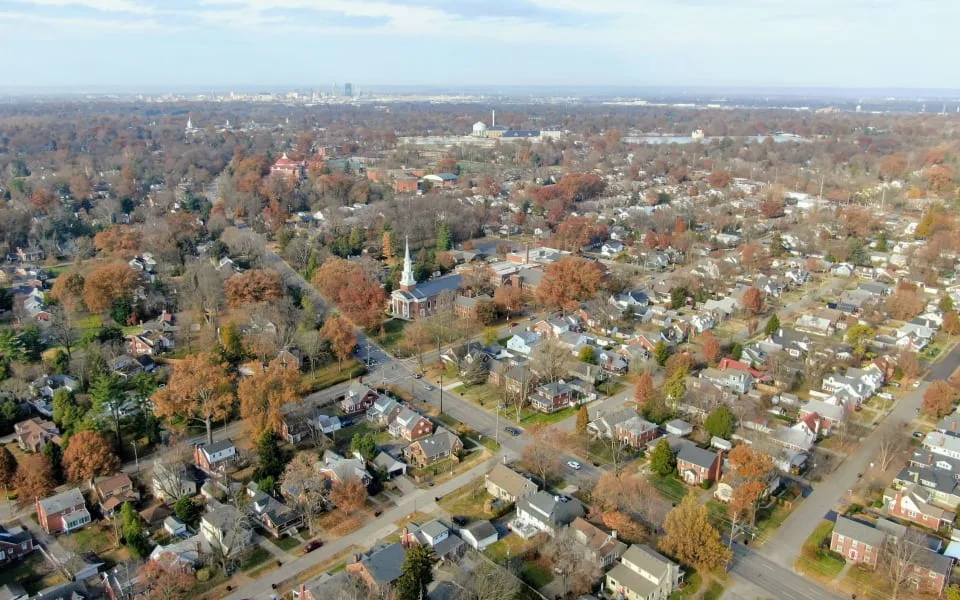
When disaster strikes your St. Matthews property, professional restoration services provide the peace of mind and expertise needed to restore your home or business to its pre-loss condition. Whether facing water intrusion from burst pipes, basement flooding during heavy rains, sewage backups, fire damage from electrical issues, lingering smoke odors, or mold growth in humid conditions, certified restoration specialists bring the tools and knowledge to handle each situation safely and effectively.
St. Matthews residents have access to comprehensive restoration services that address the full spectrum of property damage scenarios:
- Water Damage Restoration - Emergency water extraction, structural drying, and moisture monitoring
- Flooded Basement - Basement water removal, dehumidification, and flood damage repair
- Sewage Cleanup - Safe contaminated water removal and sanitization
- Fire Damage Restoration - Structural cleaning, debris removal, and reconstruction coordination
- Smoke Damage Restoration - Odor elimination, soot removal, and air quality improvement
- Mold Removal - Professional remediation, containment, and prevention strategies
Local restoration companies serving St. Matthews maintain IICRC certifications and provide rapid response times to minimize secondary damage. These services protect both your property value and your family's health by addressing contamination risks and structural concerns promptly.
Common Damage Restoration Issues in St. Matthews, Kentucky
St. Matthews property owners face specific damage risks due to the area's climate patterns, housing characteristics, and infrastructure age. Understanding these local factors helps residents recognize warning signs early and respond appropriately to minimize property damage.
The most frequent restoration challenges in St. Matthews include:
- Basement water intrusion during spring storms and heavy rainfall periods
- Burst pipes in older homes during winter freeze-thaw cycles
- Sewage backups in neighborhoods with aging sewer systems
- Kitchen and electrical fires in homes with older wiring systems
- Smoke damage from neighboring properties or outdoor burning
- Mold growth in basements and crawl spaces due to Kentucky's humid climate
Warning signs that require immediate attention include:
- Standing water or dampness in basements after storms
- Musty odors indicating potential mold growth
- Water stains on walls or ceilings suggesting hidden leaks
- Sewage odors from drains or basement areas
- Smoke odors that persist after cooking or fireplace use
- Visible soot deposits around vents or electrical outlets
St. Matthews' proximity to Beargrass Creek and seasonal weather patterns create additional risks for water damage, while the area's mix of older and newer construction presents varying vulnerability levels for different types of property damage.
Neighborhoods We Serve in St. Matthews
Professional restoration services extend throughout the St. Matthews area, covering established neighborhoods and surrounding communities that may experience various types of property damage. Service areas include the historic St. Matthews core, residential developments along Shelbyville Road, and nearby communities that share similar restoration needs.
Primary service areas include:
- Downtown St. Matthews - Commercial and mixed-use properties along Shelbyville Road
- Residential St. Matthews - Established neighborhoods with mature trees and older infrastructure
- Brownsboro Road corridor - Mix of residential and commercial properties
- Adjacent Lyndon areas - Neighboring residential communities
- Middletown vicinity - Surrounding suburban developments
- Anchorage borders - Upscale residential areas with unique restoration requirements
Each neighborhood presents distinct challenges for restoration work, from historic homes requiring specialized techniques to newer construction with modern materials and systems. Local restoration teams understand these variations and adapt their approaches accordingly to provide effective service across all St. Matthews communities.
Seasonal Damage Patterns in St. Matthews
St. Matthews experiences distinct seasonal patterns that influence the types and frequency of property damage requiring restoration services. Understanding these cycles helps property owners prepare for and recognize potential issues before they become major problems.
Spring (March-May) brings the highest risk for water damage and basement flooding as heavy rains and rapid snowmelt overwhelm drainage systems. Mold growth often follows water intrusion during this humid season.
Summer (June-August) presents challenges with:
- Severe thunderstorms causing water damage and power outages
- High humidity promoting mold growth in poorly ventilated areas
- Increased fire risks from lightning strikes and electrical storms
Fall (September-November) typically sees:
- Chimney and fireplace fires as heating season begins
- Smoke damage from improper fireplace maintenance
- Water damage from clogged gutters filled with fallen leaves
Winter (December-February) commonly involves:
- Frozen pipe bursts during extreme cold snaps
- Ice dam formation causing roof leaks and water damage
- Heating system fires from poor maintenance or overuse
- Sewage line freezing leading to backup issues
Property owners benefit from seasonal maintenance and monitoring to prevent many of these issues from requiring extensive restoration services.
Housing Characteristics & Restoration Considerations
St. Matthews features a diverse housing stock that influences restoration approaches and challenges. The area includes homes built from the 1940s through recent construction, with each era presenting unique considerations for water damage, fire damage, and mold remediation projects.
Typical housing characteristics affecting restoration work include:
- Post-WWII ranch homes (1940s-1960s) with concrete block foundations prone to water seepage
- Split-level designs (1960s-1970s) featuring lower-level family rooms susceptible to flooding
- Traditional two-story homes (1980s-1990s) with finished basements requiring specialized water extraction
- Modern construction (2000s-present) incorporating better moisture barriers but complex HVAC systems
Construction-specific restoration considerations:
- Foundation types - Older concrete blocks may allow water penetration requiring extensive basement restoration
- Electrical systems - Homes with older wiring face higher fire risks and require careful smoke damage assessment
- Plumbing materials - Cast iron and galvanized steel pipes in older homes increase sewage backup risks
- Insulation types - Older fiberglass insulation may harbor mold growth after water exposure
- HVAC systems - Ductwork placement affects smoke distribution and mold spore circulation patterns
Restoration professionals adapt their techniques based on these housing characteristics, using appropriate equipment and methods for each property type. Understanding these factors helps ensure effective restoration while preserving the integrity of different construction styles found throughout St. Matthews.
Environmental Conditions & Damage Implications
St. Matthews' environmental conditions significantly influence property damage patterns and restoration requirements. The area's humid subtropical climate, local topography, and regional weather systems create specific challenges that restoration professionals must address when handling water damage, mold growth, fire damage, and sewage-related issues.
Key environmental factors affecting restoration needs:
- Humidity levels averaging 60-70% promote rapid mold growth after water damage events
- Annual rainfall of approximately 45 inches increases basement flooding risks
- Clay soil composition causes poor drainage and water accumulation around foundations
- Beargrass Creek proximity elevates flood risks during heavy precipitation
- Urban heat island effects from Louisville metro area influence local weather patterns
Climate-related restoration implications include:
- Extended drying times due to high humidity requiring specialized dehumidification equipment
- Accelerated mold growth within 24-48 hours of water exposure in humid conditions
- Seasonal freeze-thaw cycles causing pipe bursts and subsequent water damage
- Storm intensity variations leading to sudden flooding and overwhelmed drainage systems
Local air quality considerations affect smoke damage restoration, particularly during summer months when atmospheric inversions trap pollutants. The combination of humidity and temperature fluctuations also influences material expansion and contraction, affecting how fire-damaged structures respond to restoration efforts.
Restoration teams working in St. Matthews must account for these environmental factors when planning water extraction, structural drying, mold remediation, and smoke odor elimination projects to achieve lasting results.
Louisville Metro Sewer System Impacts on St. Matthews Restoration
St. Matthews' connection to the Louisville Metro sewer system creates unique challenges for sewage cleanup and water damage restoration that property owners should understand. The area's aging infrastructure, combined with increasing development pressure and climate-related stress, affects how restoration professionals approach contaminated water situations and basement flooding events.
The Metropolitan Sewer District (MSD) serves St. Matthews through a network of combined and separate sewer systems, some dating back several decades. During heavy rainfall events, these systems can become overwhelmed, leading to:
- Combined sewer overflows that mix stormwater with sewage
- Basement backups through floor drains and lower-level plumbing fixtures
- Cross-contamination between clean water damage and sewage-related incidents
- Extended cleanup timelines due to contamination classification requirements
Professional restoration teams must follow strict protocols when dealing with sewage-contaminated water in St. Matthews properties:
- Immediate safety assessment to protect occupants from harmful bacteria and pathogens
- Contamination level classification determining appropriate cleanup procedures
- Specialized extraction equipment designed for contaminated water removal
- Antimicrobial treatment of affected surfaces and materials
- Air quality monitoring throughout the restoration process
- Documentation requirements for insurance and health department compliance
Clear communication between restoration professionals and property owners becomes especially important during sewage-related incidents. Restoration teams provide detailed explanations of safety procedures, timeline expectations, and necessary precautions to protect family health while restoring the property to safe, habitable conditions.
Understanding these local infrastructure challenges helps St. Matthews residents recognize when professional sewage cleanup services are necessary and what to expect during the restoration process.





