
Damage Restoration in Enoch, UT
- Damage Restoration Services Overview
- Common Damage Restoration Issues in Enoch, Utah
- Neighborhoods We Serve in Enoch
- Seasonal Damage Patterns in Enoch
- Housing Characteristics & Restoration Considerations
- Environmental Conditions & Damage Implications
- Flash Flood Recovery Standards for Iron County Properties
Damage Restoration Services Overview
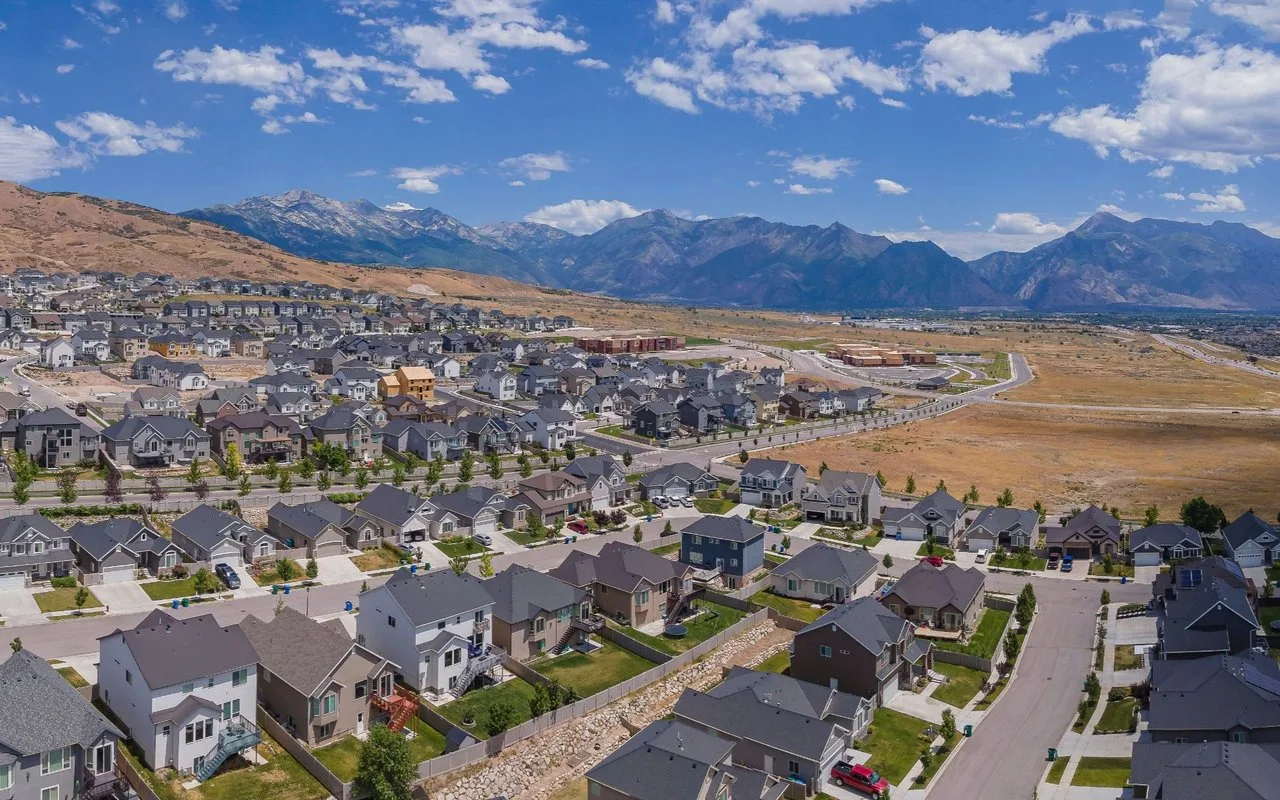
Every hour that passes after water, sewage, or fire enters a building makes the recovery harder and more expensive. Drywall wicks moisture upward, soot turns acidic and etches metal and glass, and mold colonies establish themselves inside wall cavities within a day or two of sustained dampness.
Enoch properties face a specific mix of risks - flash flooding off the surrounding benchland, freeze-thaw pipe failures, and dry-season fire exposure - so restoration here has to cover the full spectrum of damage types.
- Water Damage Restoration - extraction, structural drying, and moisture mapping after supply line breaks, appliance failures, and roof leaks.
- Flooded Basement - pump-out, contents triage, and drying of below-grade spaces where groundwater and runoff collect.
- Sewage Cleanup - containment, removal of contaminated porous materials, and antimicrobial treatment of Category 3 losses.
- Fire Damage Restoration - debris removal, structural stabilization, and reconstruction of damaged framing and finishes.
- Smoke Damage Restoration - soot removal, thermal fogging, HVAC cleaning, and odor neutralization in areas the flames never touched.
- Mold Removal - containment barriers, HEPA filtration, and removal of colonized materials with post-remediation verification.
Acting quickly protects framing, insulation, flooring, and indoor air quality - and keeps a small loss from becoming a rebuild.
Common Damage Restoration Issues in Enoch, Utah
Flash flooding is the defining hazard in this part of Iron County. Recent events damaged close to 300 homes across Enoch, with runoff moving fast across flat, poorly draining ground and pushing muddy water into crawl spaces, garages, and basements.
Other recurring causes of loss include:
- Frozen and burst pipes - unheated garages, crawl spaces, and exterior walls at Enoch's elevation see hard overnight freezes from late fall into early spring.
- Sewer and septic backups - saturated soil and overloaded lines force contaminated water back through floor drains and basement fixtures.
- Sump pump and drainage failures - power outages during storms leave below-grade spaces defenseless.
- Kitchen, chimney, and electrical fires - heating season brings a spike in fire calls, along with widespread smoke migration.
- Wildfire and inversion smoke - exterior smoke pulled through HVAC intakes leaves odor and soot film indoors.
- Hidden mold - behind baseboards, under vinyl plank flooring, and inside wall cavities that were never fully dried after an earlier leak.
Warning signs Enoch homeowners should take seriously:
- Musty odors that strengthen when the furnace or swamp cooler runs.
- Cupping, buckling, or discolored flooring near exterior walls.
- Efflorescence or staining along basement foundation walls.
- Gurgling floor drains or slow fixtures after heavy rain.
- Soot streaking above outlets, vents, and door frames following a fire.
Neighborhoods We Serve in Enoch
Coverage extends across the full Enoch city footprint and the surrounding Cedar Valley communities.
- Central Enoch - established subdivisions along Minersville Highway and Midvalley Road.
- Enoch's northern and eastern subdivisions - newer residential developments closest to the benchland runoff corridors.
- Rural acreage properties - homes on septic systems and private wells along the valley's outer roads.
- Cedar City - including neighborhoods near Southern Utah University and the north Cedar corridor.
- Cedar Highlands, Kanarraville, Parowan, and Summit - surrounding Iron County towns.
- Commercial and light industrial sites along the I-15 corridor between Enoch and Cedar City.
Local familiarity matters during an emergency - knowing which streets flood first, which subdivisions sit on expansive clay, and where municipal sewer transitions to septic shortens response and improves the accuracy of the initial assessment.
Seasonal Damage Patterns in Enoch
Damage in Enoch follows a predictable annual rhythm tied to snowmelt, monsoon storms, and heating season.
- December - February: Peak frozen pipe season. Burst supply lines in crawl spaces and garages drive water damage calls. Furnace, fireplace, and space heater fires push fire and smoke damage restoration to its yearly high.
- March - April: Snowmelt combines with spring rain to saturate soil. Flooded basements, seepage through foundation cracks, and sewage backups climb sharply.
- May - June: Mold surfaces from winter and spring moisture that was never properly dried. Hidden colonies become obvious as temperatures rise.
- July - September: Monsoon thunderstorms produce flash flooding - the highest-volume period for emergency water extraction and mud removal. Regional wildfire smoke can infiltrate homes.
- October - November: Roof leaks and ice dam precursors appear. Heating systems restart, circulating dormant smoke odor and mold spores through ductwork.
Scheduling gutter cleaning, sump pump testing, and dryer vent inspection ahead of each transition point reduces the odds of an emergency call.
Housing Characteristics & Restoration Considerations
Enoch grew rapidly from the 1990s onward, so the housing stock skews newer than much of Iron County - but that does not make it immune to damage. Modern construction methods create their own restoration challenges.
- Slab-on-grade and shallow basements - common across Enoch subdivisions. Slab foundations trap moisture beneath flooring; basements collect runoff and require aggressive drying with specialty equipment.
- Engineered wood and OSB sheathing - absorbs water quickly and loses structural integrity faster than dimensional lumber, requiring precise moisture readings before any rebuild.
- Finished basement living space - carpet pad, drywall, and cabinetry below grade are the first materials lost in a flooded basement or sewage backup.
- Tight, well-insulated envelopes - newer Enoch homes hold moisture and smoke odor inside, so mechanical dehumidification and air scrubbing are non-negotiable.
- Older farmhouses and manufactured homes - may include vulnerable crawl spaces, aging galvanized plumbing, and materials that call for cautious handling.
- Attached garages - a frequent origin point for both fires and frozen pipe failures.
Restoration planning accounts for these differences. A drying plan for a slab home with luxury vinyl plank looks nothing like the plan for a 1970s crawl space property, and smoke remediation in a tightly sealed 2010s build demands full HVAC decontamination rather than surface cleaning alone.
Environmental Conditions & Damage Implications
Enoch's high desert setting at roughly 5,500 feet shapes how damage develops and how it must be treated. Low humidity speeds surface drying but hides moisture deep inside assemblies, which is where mold begins.
- Clay-heavy valley soils - drain slowly and swell when wet, pushing hydrostatic pressure against foundation walls and forcing water through cracks and cold joints.
- Flat valley floor with limited natural drainage - allows floodwater to pond around structures rather than run off.
- Hard, mineral-rich water - accelerates scale buildup in supply lines and water heaters, contributing to sudden failures.
- Wide daily temperature swings - drive freeze-thaw cycling that stresses plumbing and concrete.
- Seasonal dust and wildfire smoke - load HVAC filters and settle into carpets, compounding indoor air problems after a fire event.
- Winter inversions - trap particulates in the Cedar Valley basin and worsen respiratory symptoms during smoke or mold exposure.
These conditions influence technique. Dehumidification setpoints are adjusted for altitude and ambient dryness, sewage-contaminated silt from flash flooding is treated as Category 3 regardless of appearance, and mold remediation includes containment plus HEPA filtration so spores are not redistributed through dry, dusty air.
Flash Flood Recovery Standards for Iron County Properties
Flash floodwater in Enoch is never clean water. When runoff crosses fields, roadways, corrals, and septic drain fields before entering a home, it carries silt, fuel residue, agricultural contaminants, and bacteria - which classifies it as Category 3 under IICRC S500 standards. That designation drives every decision that follows.
The recovery sequence for a flood-affected Enoch property generally runs as follows:
- Safety and structural assessment - utilities evaluated, standing water depth documented, and unstable areas identified before entry.
- Bulk water and sediment removal - submersible pumps and truck-mounted extraction clear standing water, followed by shoveling and rinsing of mud deposits.
- Controlled demolition - contaminated drywall, insulation, carpet pad, and below-grade cabinetry are removed to a defined height above the waterline.
- Cleaning and antimicrobial application - framing, subfloor, and foundation surfaces are cleaned and treated to suppress bacterial and fungal growth.
- Structural drying - air movers and low-grain refrigerant dehumidifiers run against documented daily moisture readings until materials reach dry standard.
- Verification and reconstruction - moisture meters and thermal imaging confirm results before insulation, drywall, flooring, and trim go back in.
Documentation matters as much as the physical work. Moisture logs, photographs, atmospheric readings, and material inventories support insurance claims and demonstrate that drying goals were met rather than assumed.
Where fire follows flood - or where a fire loss is extinguished with large volumes of water - the same drying discipline applies alongside soot removal and odor control. Combining water mitigation, smoke remediation, and mold prevention under one coordinated plan keeps Enoch homeowners from discovering a second problem months after the first repair is finished.





