
Damage Restoration in Cedar City, UT
- Damage Restoration Services Overview
- Common Damage Restoration Issues in Cedar City, Utah
- Neighborhoods We Serve in Cedar City
- Seasonal Damage Patterns in Cedar City
- Housing Characteristics & Restoration Considerations
- Environmental Conditions & Damage Implications
- Advanced Drying and Restoration Technology for High Desert Properties
Damage Restoration Services Overview
What would you do if you walked into your Cedar City home tomorrow morning and found two inches of water across the basement floor? Property damage rarely announces itself in advance - it arrives through a burst supply line, a backed-up sewer main, a kitchen fire, or a slow leak behind drywall that has been feeding mold for months.
Restoration work in Iron County covers a connected set of services, each addressing a different stage of loss:
- Water damage restoration - rapid extraction, structural drying, moisture mapping, and repair of affected building materials
- Flooded basement recovery - pumping standing water, drying below-grade framing, and addressing the drainage failure behind it
- Sewage cleanup - removal of contaminated material, antimicrobial treatment, and sanitizing of Category 3 water areas
- Fire damage restoration - stabilization, debris removal, soot cleanup, and rebuilding of damaged structures
- Smoke damage restoration - odor neutralization, HVAC cleaning, and treatment of surfaces that absorbed smoke residue
- Mold removal - containment, removal of colonized materials, and correction of the moisture source
The benefit for Cedar City property owners is straightforward: faster response limits secondary damage. Water that sits for days becomes a mold problem. Soot left on surfaces etches metal and stains grout permanently. Contaminated water spreads pathogens through porous flooring. Addressing each condition in the right order protects both the building and the people inside it.
Common Damage Restoration Issues in Cedar City, Utah
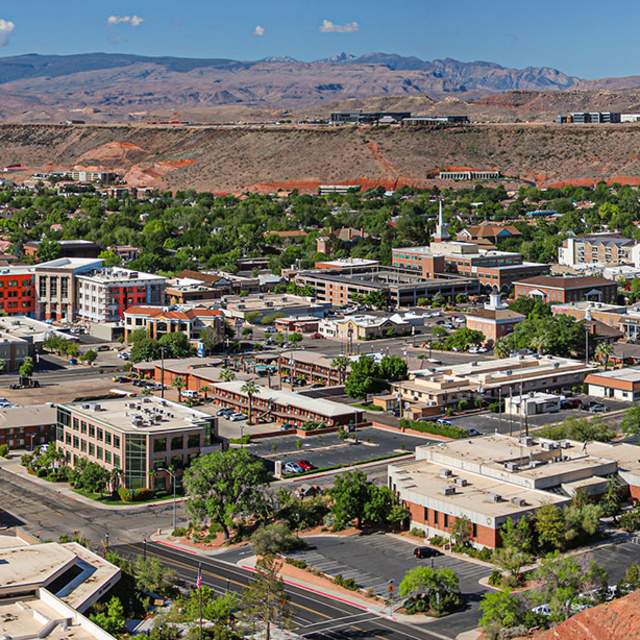
Cedar City sits at roughly 5,800 feet in a high desert valley bordered by the Markagunt Plateau. That elevation and terrain create damage patterns that differ from lower-lying Utah communities.
Local Causes of Property Damage
- Freeze-thaw pipe failures - winter nights drop well below freezing while afternoons warm, stressing pipes in crawl spaces, garages, and exterior walls
- Spring snowmelt from the plateau - runoff saturates soil and pushes hydrostatic pressure against basement foundations
- Monsoon downpours - late-summer storms drop heavy rain onto hard-packed desert soil that sheds water rather than absorbing it
- Wildfire and smoke intrusion - regional fires push smoke into the valley, leaving residue in ductwork and on soft goods
- Aging sewer laterals - older lines in established neighborhoods crack, allowing root intrusion and backups
- Dry indoor air and heating equipment - space heaters, wood stoves, and furnaces raise winter fire risk
Warning Signs Worth Investigating
- Discolored rings or bubbling paint on ceilings and lower walls
- A musty odor that intensifies when the HVAC system runs
- Efflorescence - white mineral crusting - on basement concrete
- Slow floor drains or gurgling from toilets when laundry runs
- Soot film on window glass, light fixtures, or air return grilles
- Warped baseboards, cupped hardwood, or soft spots underfoot
- Unexplained increases in water usage without a visible leak
Each of these signals points to a condition that grows more expensive the longer it sits.
Neighborhoods We Serve in Cedar City
Restoration crews respond throughout Cedar City and the wider Iron County area, including:
- Downtown and Historic District - older homes near Main Street and the Cedar City Library area
- Cedar Highlands and the east bench - hillside properties with drainage and grading concerns
- Fiddlers Canyon - north-side neighborhoods near the canyon drainage
- SUU campus area - student rentals, multi-unit housing, and older single-family homes
- Cross Hollow and southwest Cedar City - newer subdivisions with finished basements
- Enoch - adjacent community with well systems and larger lots
- Kanarraville, Parowan, New Harmony, and Summit - surrounding small communities
- Brian Head and Cedar Mountain - high-elevation cabins prone to freeze damage and ice-related leaks
Commercial properties along Main Street, the Providence Center corridor, and the industrial park near the airport are also served, including retail, restaurant, lodging, and warehouse spaces.
Seasonal Damage Patterns in Cedar City
Winter (December - February)
- Frozen and ruptured supply lines in unheated spaces
- Ice damming on north-facing roof slopes and cabin properties
- Fire and smoke damage from furnaces, fireplaces, and portable heaters
- Vacant-property losses at seasonal homes near Brian Head
Spring (March - May)
- Flooded basements as plateau snowmelt raises the water table
- Sump pump overload and failure during peak runoff weeks
- Mold appearing in areas wetted during winter and never fully dried
- Sewer backups when saturated ground infiltrates aging laterals
Summer (June - August)
- Monsoon flash flooding through window wells and garage doors
- Roof leaks from wind-driven rain and hail
- Wildfire smoke infiltration requiring odor and duct treatment
- Condensation-driven mold behind furniture on cool basement walls
Fall (September - November)
- Irrigation and hose bib leaks discovered at system shutdown
- Heating equipment fires during the first cold snap
- Water heater failures as demand increases
- Pre-winter inspections that reveal hidden moisture and mold
Housing Characteristics & Restoration Considerations
Cedar City's housing stock spans more than a century, and the construction era of a property shapes how restoration is approached.
Older Homes (pre-1970)
- Plaster and lath walls that hold moisture far longer than modern drywall
- Galvanized or early copper plumbing prone to pinhole leaks
- Rubble or block foundations with limited waterproofing
- Possible asbestos in floor tile, mastic, and pipe wrap - testing precedes demolition
- Knob-and-tube or aging wiring that raises electrical fire risk
Mid-Century and 1980s - 1990s Homes
- Partially finished basements with paneling and carpet over concrete
- Original water heaters and washing machine hoses reaching failure age
- Cast iron sewer lines showing corrosion and root intrusion
- Limited attic ventilation contributing to condensation and mold
Newer Construction (2000s - present)
- Tight building envelopes that trap moisture once water intrudes
- Engineered wood products that swell and delaminate quickly
- Fully finished basements with bedrooms, media rooms, and carpet
- Multi-zone HVAC that can distribute smoke and mold spores building-wide
Rental and student housing near Southern Utah University adds another layer - occupancy turnover means leaks often go unreported until damage spreads. Manufactured homes in outlying areas present skirting, underbelly insulation, and crawl space drying challenges that require targeted equipment placement rather than general room drying.
Environmental Conditions & Damage Implications
Cedar City's semi-arid climate cuts both ways for restoration work. Low humidity assists drying, but it also masks problems until they become severe.
Climate Factors
- Average relative humidity often below 40 percent, which speeds evaporation from open surfaces
- Wide daily temperature swings that drive condensation inside wall cavities
- Roughly 60 inches of annual snowfall, concentrated in a short season
- Intense July - September thunderstorm activity producing rapid runoff
Soil and Groundwater
- Clay-heavy and alkaline valley soils that expand when wet and pressure foundation walls
- Poor infiltration rates directing surface water toward structures
- Hard water with high mineral content that leaves scale and accelerates appliance failure
- Seasonal water table shifts tied to Coal Creek and plateau snowmelt
Air Quality Considerations
- Regional wildfire smoke that settles into insulation, ductwork, and textiles
- Winter inversion periods that hold particulates in the valley
- Persistent dust that combines with soot after a fire, complicating cleanup
These conditions influence technique. Dry outdoor air means dehumidifiers work efficiently, but hidden pockets behind vapor barriers and beneath slab-adjacent flooring stay wet. Mold in Cedar City tends to be concentrated rather than widespread - it hides in crawl spaces, under bathroom flooring, and behind basement finishes where the surrounding air stays cool and still.
Advanced Drying and Restoration Technology for High Desert Properties
Restoration in a 5,800-foot desert valley requires equipment calibrated to local conditions rather than generic drying plans. Air that is already dry outside changes how much dehumidification a structure actually needs, and thermal conditions at elevation affect equipment performance.
Detection and Assessment Tools
- Thermal imaging cameras that reveal cool, wet zones behind drywall without demolition
- Penetrating and non-penetrating moisture meters for tracking readings across framing, subfloor, and masonry
- Thermo-hygrometers used to compare interior, exterior, and unaffected-area conditions
- Borescopes for inspecting wall cavities, crawl spaces, and duct interiors
- Air and surface sampling for mold identification before and after remediation
Drying and Cleanup Equipment
- Low-grain refrigerant and desiccant dehumidifiers matched to the structure's load
- Axial and centrifugal air movers positioned to create directed airflow patterns
- Injection drying systems for hardwood floors and closed wall cavities
- Truck-mounted and portable extraction units for standing water and contaminated flooring
- Negative air machines with HEPA filtration for mold and sewage containment
- Hydroxyl generators, ozone equipment, and thermal fogging for smoke odor
- Ultrasonic cleaning tanks for soot-affected contents and hardware
How a Typical Project Progresses
- Emergency response, safety assessment, and shutoff of the water or hazard source
- Documentation of affected areas with moisture mapping and photographs
- Extraction, containment setup, and removal of unsalvageable materials
- Antimicrobial or soot-specific cleaning applied to remaining surfaces
- Structural drying monitored daily until materials reach dry standard
- Odor treatment, HVAC cleaning, and content restoration
- Reconstruction - drywall, flooring, paint, and finish carpentry
- Final verification readings and clearance documentation for insurance
Daily monitoring matters more than equipment count. Readings taken at consistent points show whether materials are actually drying or whether hidden moisture is being missed - the difference between a completed job and a mold call six weeks later.





