
Damage Restoration in Northampton, MA
- Damage Restoration Services Overview
- Common Damage Restoration Issues in Northampton, Massachusetts
- Neighborhoods We Serve in Northampton
- Seasonal Damage Patterns in Northampton
- Housing Characteristics & Restoration Considerations
- Environmental Conditions & Damage Implications
- Insurance Documentation and the IICRC Standards Behind Northampton Restoration Work
Damage Restoration Services Overview
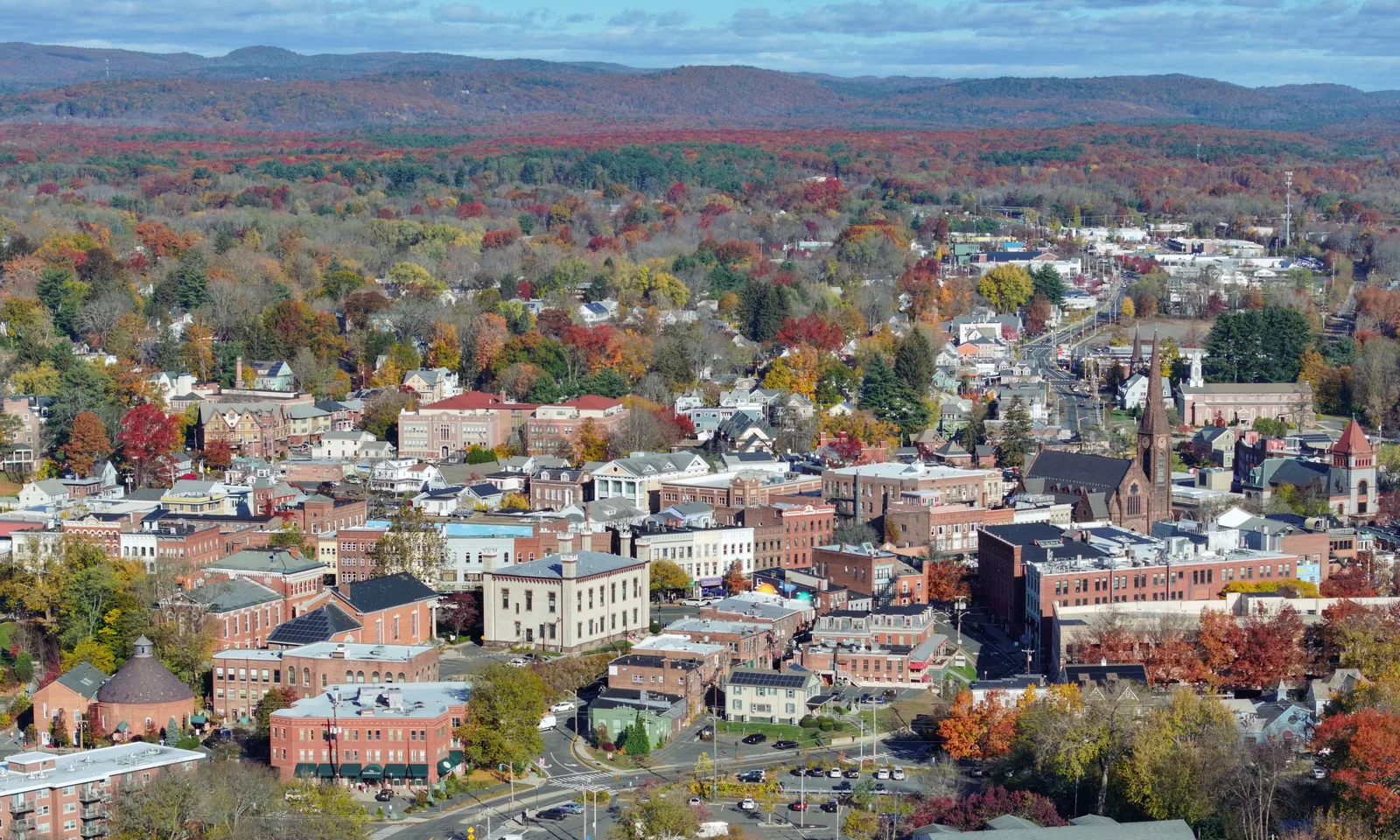
You come home to Bridge Street after a long February weekend and hear water running where no faucet is open. The finished basement carpet squelches underfoot, the furnace room smells like wet plaster, and a supply line behind the washer has been spraying since Friday. Situations like this move quickly in Northampton homes, where dense framing, older foundations, and long heating seasons trap moisture inside wall cavities.
Restoration work here covers a connected set of specialties, and most losses touch more than one:
- Water damage restoration - extraction, structural drying, and moisture mapping after pipe breaks, roof leaks, and appliance failures
- Flooded basement cleanup - pump-out, content triage, and dehumidification for below-grade spaces along the Mill River and Connecticut River corridors
- Sewage cleanup - Category 3 handling of backflows, floor drain surcharges, and septic failures with full disinfection
- Fire damage restoration - board-up, debris removal, structural cleaning, and reconstruction planning
- Smoke damage restoration - soot removal, odor neutralization, and HVAC decontamination after even small kitchen or chimney fires
- Mold removal - containment, controlled removal of affected materials, and correction of the moisture source
Acting fast protects framing, limits secondary damage, and keeps insurance documentation clean from the first hour.
Common Damage Restoration Issues in Northampton, Massachusetts
Northampton sits in the Pioneer Valley, where river-valley soils, Victorian-era housing, and a humid continental climate combine to make small leaks turn into large losses.
Leading Causes of Loss
- Nor'easters and winter storms - wind-driven rain pushed under aging slate and asphalt roofing, plus surge-driven basement flooding
- Frozen and burst pipes - uninsulated lines in crawl spaces, unheated ells, and porch-side kitchens
- Ice dams - meltwater backing under shingles into second-floor ceilings and knee-wall cavities
- Appliance and HVAC failures - condensate drain overflows, water heater ruptures, and washing machine hose blowouts that quietly saturate subfloor assemblies
- Sewer and septic backups - saturated ground and heavy inflow surcharging municipal lines and floor drains
- Fires - wood stoves, chimney creosote, space heaters, and older knob-and-tube or overloaded circuits
Warning Signs Worth Investigating
- Musty odor in a basement or closet that lingers after the space dries
- Bubbling paint, cupped hardwood, or a dark line along baseboard trim
- Efflorescence or chalky white residue on fieldstone or brick foundation walls
- Recurring drain gurgles during heavy rain
- Soot filming on window glass, lampshades, or vent registers after a small fire
- Allergy symptoms that improve when occupants leave the house
Any one of these deserves moisture readings before cosmetic repairs begin.
Neighborhoods We Serve in Northampton
Response covers the full city and the surrounding Hampshire County towns, with attention to how each area's building stock behaves during a loss.
- Downtown and Main Street - mixed-use brick blocks with shared walls and commercial basements
- Florence - former mill village housing and post-war ranches near the Mill River
- Leeds - hillside lots with steep drainage and older cottages
- Bay State Village - compact worker housing with tight lot spacing
- Elm Street and Smith College area - large Victorians, multi-unit conversions, and student rentals
- Ward 3 and Meadow Street - low-lying parcels near the Connecticut River floodplain
- Burts Pit Road and Westhampton Road corridors - septic-served properties with well water
Service extends to Easthampton, Hadley, Amherst, Williamsburg, Hatfield, Southampton, Whately, and the hill towns west of the city.
Seasonal Damage Patterns in Northampton
Winter (December - February)
- Burst supply lines during deep cold snaps and multi-day power outages
- Ice dam leakage into upper-floor ceilings
- Heating-related fire and smoke damage from wood stoves and chimneys
Spring (March - May)
- Snowmelt and Connecticut River rise driving flooded basements
- Sump pump overload and sewage backups during saturated-ground events
- Mold growth appearing in spaces that stayed damp all winter
Summer (June - August)
- Thunderstorm downbursts, roof damage, and wind-driven rain intrusion
- Air conditioning condensate overflows into ceilings and closets
- Peak mold season as humidity holds moisture in framing and finishes
Fall (September - November)
- Nor'easters and tropical remnants producing combined roof and basement losses
- Clogged gutters channeling water against foundations
- First-fire-of-the-season chimney and flue incidents
Housing Characteristics & Restoration Considerations
Northampton's housing stock skews old, with a large share of homes built before 1940 and a meaningful number dating to the nineteenth century. That age shapes nearly every restoration decision.
Construction Types and What They Mean
- Fieldstone and rubble foundations - porous, irregular surfaces that hold water and hide mold behind shelving and framing; drying requires longer dehumidification cycles
- Balloon-framed Victorians - open stud bays that let water and smoke travel from basement to attic without interruption
- Plaster and wood lath - absorbs water and soot deeply; often needs controlled removal rather than surface cleaning
- Mill-conversion and multifamily buildings - shared risers and stacked units mean one leak affects several households
- Post-war ranches and capes in Florence and Leeds - block foundations with finished basements that flood readily
- Newer builds on the outskirts - tight envelopes that trap humidity and accelerate mold when drying is incomplete
Practical Restoration Implications
- Asbestos and lead-safe practices apply in pre-1978 homes during demolition
- Knob-and-tube wiring must be isolated before any wet demolition begins
- Horsehair plaster and original trim often warrant careful salvage rather than replacement
- Fire and smoke work in attached buildings requires containment to protect neighboring units
- Finished basements need flooring and lower wall sections opened to reach saturated framing
Environmental Conditions & Damage Implications
The Pioneer Valley's climate and geology work against fast drying, which is why aggressive equipment placement matters more here than in drier regions.
Climate
- Humid continental pattern with warm, sticky summers and cold winters
- Summer dew points that keep indoor relative humidity elevated without mechanical drying
- Long shoulder seasons where basements sweat and condensation forms on cool masonry
- Annual precipitation spread across all seasons, with heavy autumn storm totals
Soil and Water Conditions
- River-valley silts, clays, and alluvial deposits that drain slowly and hold hydrostatic pressure against foundations
- High seasonal water tables in low-lying wards near the Connecticut and Mill Rivers
- Perched water on hillside lots in Leeds pushing through foundation joints
- Septic systems in outlying areas that surcharge when the ground saturates
Air Quality and Health Factors
- Elevated summer humidity supporting mold colonization within days of a wet event
- Smoke residue that migrates through HVAC systems and settles in duct interiors
- Sewage-contaminated water carrying bacteria and pathogens requiring Category 3 protocols
- Wood smoke and pollen loads that compound indoor air issues in older, leaky homes
Moisture readings, containment, and post-remediation verification address these conditions rather than masking them.
Insurance Documentation and the IICRC Standards Behind Northampton Restoration Work
Most Northampton property owners meet the restoration process and the claims process at the same moment, usually while standing in water. Understanding how the two connect reduces friction later.
How a Claim-Ready Job Is Built
- Emergency contact and scoping - crew confirms access, safety hazards, and the water category before equipment rolls in
- Source control - shutting off supply lines, tarping roofs, or stopping the backflow so drying can actually work
- Documentation - photos, moisture maps, thermal imaging, and daily readings that create a record adjusters accept
- Extraction and controlled demolition - removing standing water and unsalvageable materials under containment
- Structural drying - air movers and dehumidifiers sized to the affected volume, monitored until materials hit dry standard
- Cleaning and decontamination - antimicrobial application, soot removal, duct cleaning, and odor treatment as the loss requires
- Reconstruction - rebuilding finishes with attention to original materials in historic homes
Why Category and Class Matter Locally
- Valley conditions and delayed discovery push many losses from clean Category 1 water into Category 2 or 3 within days
- Sewage backups are Category 3 from the outset and demand personal protective equipment, containment, and disposal of porous materials
- Fire losses often carry a water component from suppression, meaning drying and soot work run in parallel
- Mold findings during a water job change the scope and require containment before further demolition
What Property Owners Can Do First
- Photograph everything before moving contents
- Shut off water or power only if it is safe to reach the panel or valve
- Keep receipts for temporary repairs and lodging
- Avoid running HVAC after a fire so soot does not spread further
- Stay out of standing water that may contain sewage or contact live circuits





