
Damage Restoration in North Amherst, MA
- Damage Restoration Services Overview
- Common Damage Restoration Issues in North Amherst, Massachusetts
- Neighborhoods We Serve in North Amherst
- Seasonal Damage Patterns in North Amherst
- Housing Characteristics & Restoration Considerations
- Environmental Conditions & Damage Implications
- Emergency Response Timelines for North Amherst Properties
Damage Restoration Services Overview
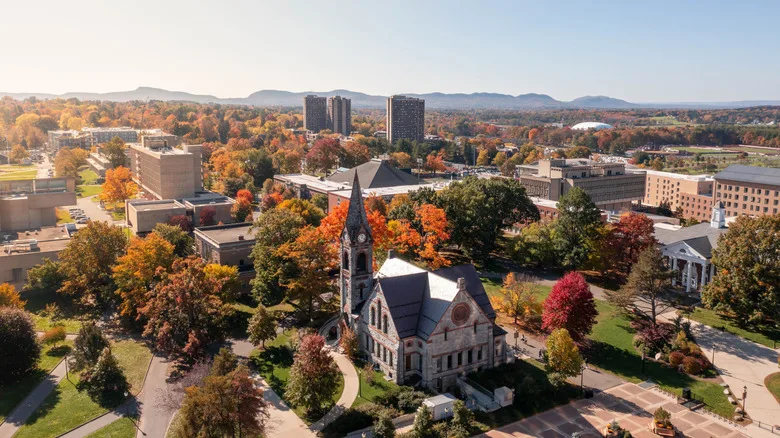
North Amherst sits where the Mill River valley, older farmhouse-era housing, and a dense student rental population meet - a combination that produces restoration needs unlike almost anywhere else in Hampshire County. Field stone foundations, retrofitted apartment conversions near Village Park and Puffton, and hillside lots that drain toward Cushman all shape how water, smoke, and microbial damage behave inside a structure here.
Restoration work in this area covers a connected set of disciplines, each addressing a different failure pattern:
- Water Damage Restoration - extraction, structural drying, and moisture mapping after burst supply lines, roof intrusion, or appliance failures
- Flooded Basement - pumping, sump and drainage evaluation, and drying of below-grade assemblies after snowmelt or nor'easter runoff
- Sewage Cleanup - Category 3 removal, antimicrobial treatment, and disposal of porous materials contaminated by backflow
- Fire Damage Restoration - stabilization, debris removal, soot and char cleaning, and reconstruction planning
- Smoke Damage Restoration - odor neutralization, HVAC decontamination, and surface cleaning where visible fire never reached
- Mold Removal - containment, controlled removal of colonized materials, and correction of the moisture source
Acting quickly protects framing, insulation, and indoor air quality while limiting the scope - and cost - of the rebuild that follows.
Common Damage Restoration Issues in North Amherst, Massachusetts
Most losses in North Amherst trace back to a handful of repeating causes tied to weather, building age, and occupancy patterns.
Leading Causes of Damage
- Nor'easters and winter storms - wind-driven rain forces water past aging clapboard, roof flashing, and window trim, while runoff overwhelms perimeter drainage
- Frozen and burst supply lines - unheated crawl spaces and vacant student rentals over winter break are frequent failure points
- Appliance and HVAC failures - condensate drain overflows, water heater ruptures, and washing machine hose splits saturate subfloors and wall cavities long before anyone notices
- Sewer and septic backflow - heavy rain surcharges lines, pushing contaminated water into finished basements
- Kitchen and heating-season fires - unattended cooking, space heaters, and older electrical panels in converted multifamily units
- Chronic humidity - the humid continental climate slows drying and accelerates secondary microbial growth
Warning Signs Worth Investigating
- Cupping, crowning, or darkened hardwood near dishwashers and radiators
- Efflorescence, white chalky residue, or damp rings on basement foundation walls
- A musty odor that intensifies when the furnace or AC cycles on
- Sewer gas smell near floor drains after a storm
- Yellow-brown staining on ceilings beneath bathrooms or attic spaces
- Lingering acrid smoke odor weeks after a small kitchen fire, especially in fabrics and ductwork
Because water migrates laterally through insulation and framing, visible damage almost always understates the affected area. Moisture meters and thermal imaging define the real boundary.
Neighborhoods We Serve in North Amherst
Coverage extends across North Amherst and the surrounding Pioneer Valley communities, including:
- North Amherst village center - Cowls, Montague Road, and Sunderland Road corridors
- Cushman - older homes and hillside lots along Henry Street and Bridge Street
- Puffton Village, Village Park, and Brandywine - large multi-unit rental complexes along North Pleasant Street
- Mill District - converted mill and commercial buildings near the Mill River
- Flat Hills and Market Hill Road areas
- Adjacent UMass campus-edge neighborhoods
Service also reaches nearby Amherst center, South Amherst, Leverett, Shutesbury, Sunderland, Hadley, Pelham, and Belchertown. Familiarity with local road access, municipal sewer versus private septic layouts, and rental property management requirements helps move projects forward without administrative delay.
Seasonal Damage Patterns in North Amherst
Winter (December - February)
- Frozen and burst pipes in vacant rentals and unheated crawl spaces
- Ice dams driving meltwater under shingles into attic insulation and ceilings
- Heating equipment, chimney, and space heater fires - the peak period for fire and smoke damage
Spring (March - May)
- Snowmelt combined with saturated ground producing flooded basements
- Sewage backups as heavy rain surcharges municipal lines and septic fields
- First mold discoveries from moisture that sat undetected through winter
Summer (June - August)
- AC condensate overflows and clogged drain pans saturating ceilings below air handlers
- Thunderstorm-driven roof and window intrusion
- Rapid mold amplification in humid, poorly ventilated basements and attics
Fall (September - November)
- Nor'easters bringing wind-driven rain intrusion and surge-driven basement flooding
- Clogged gutters from leaf fall redirecting water against foundations
- Heating system startup revealing dormant smoke odor and duct contamination
Housing Characteristics & Restoration Considerations
North Amherst's building stock spans nearly two centuries, and each era carries its own restoration profile.
- Pre-1900 farmhouses and village homes - fieldstone or rubble foundations, balloon framing, plaster-on-lath walls, and knob-and-tube remnants. Balloon framing lets water and smoke travel vertically between floors with no fire blocking.
- Mid-century capes and ranches - poured concrete basements, finished rec rooms, and original single-pane windows prone to condensation and hidden sill rot.
- 1970s - 1990s apartment complexes - shared plumbing stacks mean one unit's failure often becomes a multi-unit loss requiring coordinated drying.
- Converted mill and commercial structures - heavy timber, brick, and open volumes that need specialized drying and soot cleaning approaches.
How Construction Affects the Work
- Assessment - moisture mapping identifies saturated cavities behind plaster, which retains water far longer than drywall
- Containment - critical in multifamily buildings to keep sewage contamination or mold spores from migrating between units
- Selective removal - horsehair plaster, blown-in cellulose, and old insulation are usually removed rather than dried
- Structural drying - air movers, dehumidification, and cavity drying targeted to fieldstone walls and dense old-growth framing
- Reconstruction - plaster matching, trim replication, and refinishing to preserve original character
Fire and smoke work in older homes also involves careful handling of potential asbestos and lead-containing materials during demolition.
Environmental Conditions & Damage Implications
The Connecticut River valley climate and soil profile directly influence how quickly damage escalates in North Amherst.
- Humid continental climate - summer dew points regularly climb high enough that basements stay above 60 percent relative humidity without mechanical dehumidification, prolonging drying timelines
- Valley alluvial and glacial till soils - clay-heavy pockets drain slowly, holding hydrostatic pressure against foundation walls after storms
- High seasonal water tables - low-lying parcels near the Mill River and Cushman Brook see recurring seepage through cove joints and slab cracks
- Freeze-thaw cycling - repeated expansion widens foundation cracks each winter, creating new entry points every spring
- Mineral-rich well water - homes on private wells may see mineral staining that complicates surface cleaning after a loss
- Wood heat and seasonal biomass burning - contributes particulate load that compounds indoor air issues after smoke damage
Practical Implications
- Mold can establish within 24 to 48 hours in this humidity range, making immediate dehumidification more important than surface wiping
- Sewage-contaminated porous materials in damp basements degrade rapidly and require removal rather than cleaning
- Smoke residues bind more aggressively to cool surfaces in winter, making prompt cleaning essential before permanent etching occurs
- Post-drying verification with moisture readings prevents premature reconstruction over wet framing
Emergency Response Timelines for North Amherst Properties
The first hours after a loss determine whether a project stays contained or expands into full reconstruction. Water spreads through a floor assembly in minutes, mold colonizes within days, and soot becomes acidic and corrosive almost immediately.
What Happens During a Rapid Response
- Initial contact and dispatch - basic safety guidance, including shutting off water at the main or avoiding contact with contaminated water
- On-site safety evaluation - electrical hazards, structural stability after fire, and contamination category for sewage events
- Source control - stopping active intrusion, tarping roofs, and board-up after fire
- Extraction and removal - submersible pumps and truck-mounted extraction for flooded basements; controlled demolition of unsalvageable materials
- Drying setup - air movers, dehumidifiers, and containment placed the same visit whenever conditions allow
- Documentation - moisture logs, photographs, and scope notes for insurance review
- Daily monitoring - readings tracked until materials reach dry standard, followed by reconstruction
Why Speed Matters Locally
- Nor'easters often affect many North Amherst properties simultaneously, so early calls secure equipment before demand peaks
- Student rental turnover means losses can go undiscovered during breaks, widening the affected footprint
- Cold-weather losses risk refreezing and further pipe failures if heat is lost
- Sewage backups pose immediate health concerns for occupants sharing basement laundry areas
Steps Property Owners Can Take Immediately
- Shut off the water main if a supply line has failed
- Keep people and pets away from standing water, especially suspected sewage
- Move documents, electronics, and textiles to a dry upper floor
- Avoid running HVAC after a fire, which circulates soot through the entire building
- Photograph conditions before anything is moved or discarded





