
Damage Restoration in Easthampton Town, MA
- Damage Restoration Services Overview
- Common Damage Restoration Issues in Easthampton Town, Massachusetts
- Neighborhoods We Serve in Easthampton Town
- Seasonal Damage Patterns in Easthampton Town
- Housing Characteristics & Restoration Considerations
- Environmental Conditions & Damage Implications
- Nor'easter Response and Insurance Documentation for Easthampton Properties
Damage Restoration Services Overview
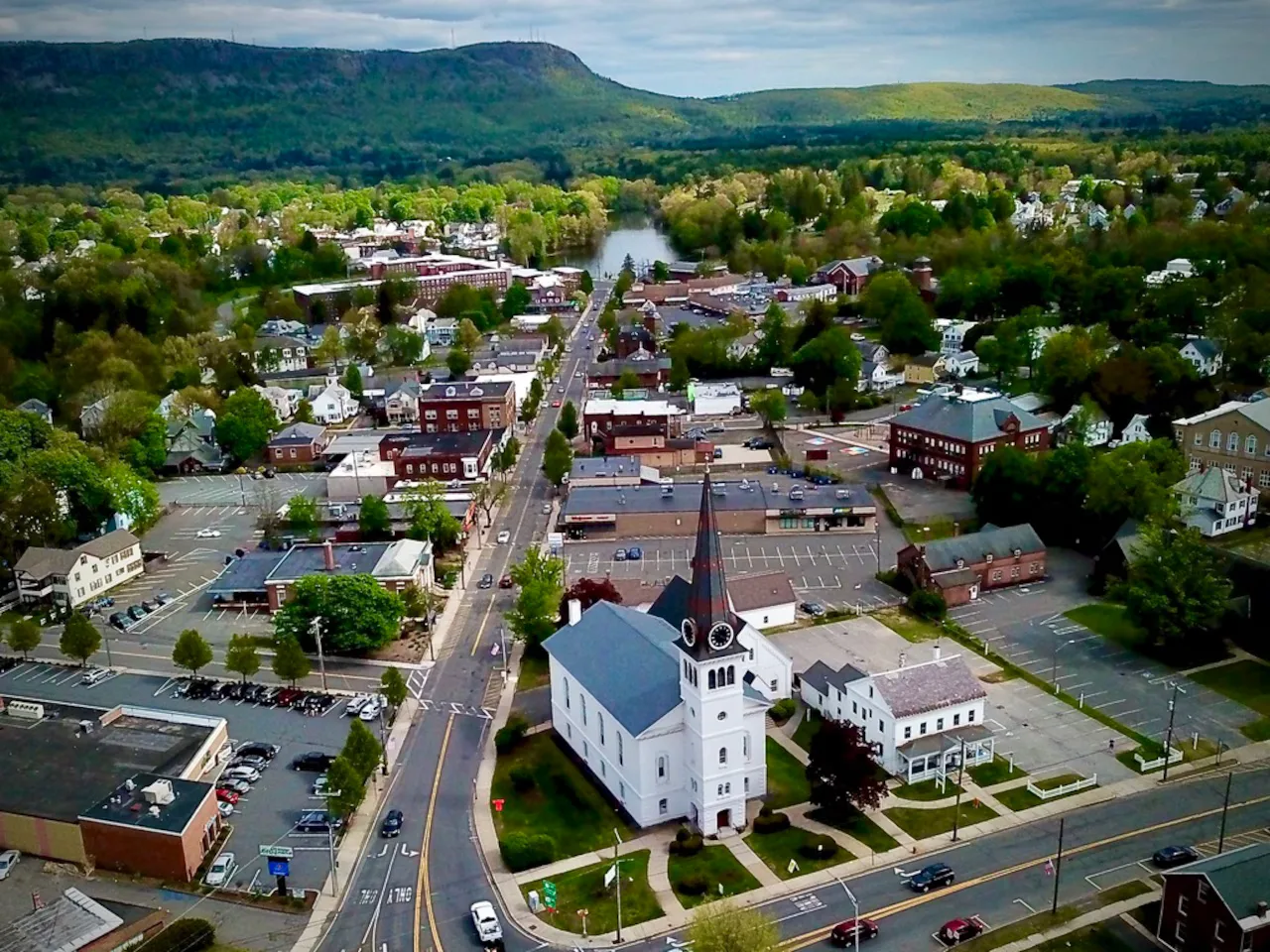
What happens in the first six hours after water reaches your subfloor - and how much of your home can still be saved? In Easthampton Town, that window often decides whether a loss stays a cleanup or becomes a rebuild.
Restoration work here spans the full range of property emergencies, from a saturated basement after a nor'easter to soot residue coating every surface after a kitchen fire. Each loss type demands different equipment, different drying science, and different documentation for your insurer.
- Water Damage Restoration - extraction, moisture mapping, and structural drying after burst pipes, roof leaks, or appliance failures
- Flooded Basement - pump-out, sump support, crack repair, sealing, and moisture control below grade
- Sewage Cleanup - containment and disinfection of Category 3 water from backflows and failed ejector pumps
- Fire Damage Restoration - stabilization, debris removal, structural cleaning, and reconstruction planning
- Smoke Damage Restoration - soot removal, thermal fogging, HVAC decontamination, and odor neutralization
- Mold Removal - containment, HEPA filtration, material removal, and remediation of hidden colonies
Benefits for local homeowners include IICRC-certified technicians, roughly 60-minute emergency response across Hampshire County, direct insurance billing, and moisture readings documented from the first visit through final clearance.
Common Damage Restoration Issues in Easthampton Town, Massachusetts
Easthampton sits in the Connecticut River valley, where clay-heavy soils, older mill-era housing, and a humid continental climate combine to slow drying and accelerate secondary damage.
Leading Causes of Loss
- Plumbing failures - copper supply lines and aging cast iron drains in homes built before modern code updates
- Exterior envelope failures - wind-driven rain during nor'easters entering through roof valleys, dormers, and failed flashing
- Storm and surge flooding - saturated ground pushing water through foundation cracks and window wells
- HVAC and appliance malfunctions - condensate drain overflows, ruptured water heaters, and washing machine hose failures that quietly saturate wall cavities
- Municipal and private sewer backflows - especially during heavy rain events that overload lateral lines
- Heating-season fires - woodstoves, chimney creosote buildup, and space heaters
Warning Signs Worth Acting On
- Musty odors in finished basements that intensify in humid weather
- Cupping or crowning hardwood floors near exterior walls
- Efflorescence - white mineral streaking - on foundation walls
- Tannin staining or bubbling paint on ceilings below bathrooms
- Soot ghosting on walls near outlets and along ceiling joists after a fire
- Persistent smoke odor that returns when the furnace or AC cycles on
- Visible mold at the base of drywall, behind baseboards, or on joist bays
Ignoring these signs rarely saves money. Hidden moisture in a wall cavity can support mold growth within days once relative humidity climbs.
Neighborhoods We Serve in Easthampton Town
Crews respond throughout Easthampton and the surrounding Hampshire County communities, covering both dense village housing and rural properties on well and septic systems.
- Main Street Historic District - mixed-use blocks, converted mill buildings, and older commercial storefronts
- Center and Cottage Street corridor - closely spaced homes with shared drainage patterns
- Nashawannuck Pond and Lower Mill Pond areas - properties with elevated groundwater exposure
- Park Hill and Mount Tom foothills - hillside lots with runoff and slope drainage concerns
- Pleasant Street and East Street neighborhoods - a mix of postwar and newer construction
- Loudville and outlying rural roads - private wells, septic systems, and detached outbuildings
Service extends to neighboring Northampton, Southampton, Holyoke, Westhampton, and the surrounding Pioneer Valley towns.
Seasonal Damage Patterns in Easthampton Town
Loss types cluster predictably through the New England calendar. Knowing the pattern helps homeowners prepare before the phone call becomes urgent.
- December through February - frozen and burst supply lines, ice damming along eaves, chimney and heating-appliance fires, and smoke damage from wood heat
- March and April - snowmelt combined with spring rain drives flooded basements, sump pump overload, and foundation seepage
- May and June - rising humidity triggers mold growth in basements and crawlspaces that never fully dried from spring
- July and August - thunderstorm downbursts, roof leaks, AC condensate overflows, and sewage backups during intense rainfall
- September and October - tropical remnants and early nor'easters bring wind-driven rain intrusion and surge flooding
- November - first heating cycles reveal furnace puffbacks, soot deposition, and dormant odor problems
Mold remediation requests peak in late summer, while water and fire calls spike hardest in deep winter when temperatures drop below zero for consecutive nights.
Housing Characteristics & Restoration Considerations
Easthampton's housing stock reflects its mill town history - a large share of homes predate 1960, with substantial numbers built during the late 1800s and early 1900s alongside postwar ranches and newer subdivisions.
Common Construction Types
- Victorian and mill-era homes - balloon framing, plaster and lath walls, and stone or brick foundations
- Converted mill lofts and multifamily buildings - heavy timber, masonry walls, and shared mechanical systems
- Postwar capes and ranches - poured concrete foundations, finished basements added later
- Modern construction - engineered lumber, tighter envelopes, and OSB sheathing
How Age Affects Restoration
- Balloon framing lets water and smoke travel vertically between floors without visible entry points
- Plaster holds moisture longer than drywall and requires extended drying with careful monitoring
- Stone and rubble foundations wick groundwater continuously, making sealing and crack repair part of any lasting basement solution
- Pre-1978 materials require lead-safe practices; pre-1980 materials may require asbestos screening before demolition
- Older cast iron drain stacks fail from the inside out, producing sewage losses inside wall chases
- Finished basements built over untreated slabs trap moisture beneath vinyl and laminate flooring
- Knob-and-tube or updated-but-mixed wiring complicates fire damage assessment and reconstruction
Restoration plans account for these variables before equipment is set, because drying a plaster wall in a 1900 duplex is nothing like drying drywall in a 2015 colonial.
Environmental Conditions & Damage Implications
The Connecticut River valley creates a specific set of conditions that shape how quickly damage spreads and how long drying takes.
Climate and Humidity
- Humid continental climate with warm, moist summers and cold winters
- Summer indoor relative humidity frequently exceeds the 60 percent threshold where mold activates
- Roughly 45 to 50 inches of annual precipitation, spread across all seasons
- Freeze-thaw cycling widens foundation cracks year after year
Soil and Groundwater
- Glacial lake sediments and clay-rich subsoils drain slowly and hold water against foundations
- Hydrostatic pressure builds after prolonged rain, forcing seepage through cove joints and cracks
- Seasonally high water tables near ponds and low-lying parcels stress sump systems
Air and Water Quality Considerations
- Smoke particulate settles into HVAC ductwork and porous furnishings, requiring source removal rather than masking
- Sewage losses introduce bacterial contamination that demands full containment, antimicrobial application, and removal of porous materials
- Well-served rural properties need water testing after any sewage or flood event affecting the wellhead
- Dehumidification must be calibrated to outdoor dew point - opening windows during humid stretches slows drying rather than helping
Every project includes moisture mapping, psychrometric readings, and daily documentation so drying progress is measured, not guessed.
Nor'easter Response and Insurance Documentation for Easthampton Properties
Nor'easters produce a double threat: wind-driven rain that penetrates the roof and upper envelope, and surge-driven groundwater that pushes into basements from below. A single storm can leave a home with saturated attic insulation, wet ceilings on the second floor, and four inches of standing water in the cellar - three separate drying problems in one structure.
How a Storm Response Unfolds
- Emergency contact and dispatch - crews target arrival within about an hour of the call
- Safety assessment - electrical hazards, structural stability, and water contamination category are identified first
- Extraction and stabilization - submersible pumps and truck-mounted units remove standing water; tarping or board-up secures compromised areas
- Moisture mapping - thermal imaging and penetrating meters locate water inside wall cavities and subfloor assemblies
- Controlled drying - air movers, LGR dehumidifiers, and containment are configured to the building's construction type
- Antimicrobial treatment - applied where contamination or extended saturation raises mold risk
- Daily monitoring - readings logged until materials reach documented dry standard
- Reconstruction - drywall, flooring, trim, and finish work restore the space
Working With Your Insurer
- Direct billing to most carriers, reducing out-of-pocket coordination
- Photo documentation of pre-existing conditions and damage extent from the first visit
- Daily psychrometric logs and moisture readings supporting the claim file
- Line-item scopes written in industry-standard estimating formats adjusters recognize
- Clear notes on whether a loss stems from sudden discharge, groundwater, or sewage backflow - distinctions that affect coverage
- Coordination with adjusters on scope disputes before demolition proceeds
Homeowners can help by photographing conditions before cleanup begins, shutting off water at the main when a plumbing failure is suspected, and avoiding entry into standing water near energized circuits. Everything else - containment, drying, remediation, and rebuild - is handled by IICRC-certified crews who work in Easthampton's older housing stock regularly and know how it behaves when it gets wet.





