
Damage Restoration in Amherst Center, MA
- Damage Restoration Services Overview
- Common Damage Restoration Issues in Amherst Center, Massachusetts
- Neighborhoods We Serve in Amherst Center
- Seasonal Damage Patterns in Amherst Center
- Housing Characteristics & Restoration Considerations
- Environmental Conditions & Damage Implications
- Why Professional Drying Equipment Outperforms DIY Cleanup in Amherst Homes
Damage Restoration Services Overview
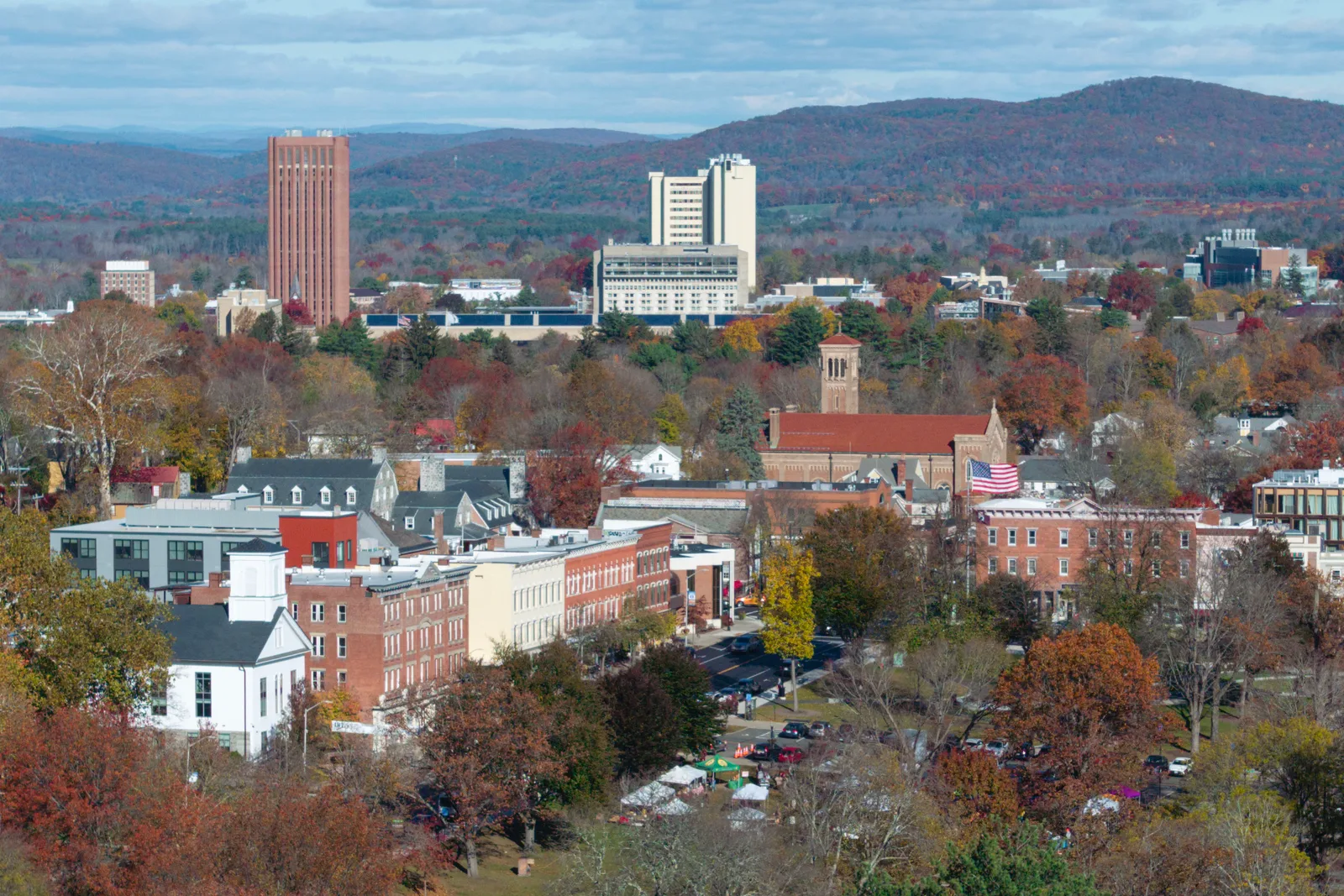
Coming home to standing water in the basement, smoke-stained walls, or a musty smell that won't go away is unsettling. Property damage rarely arrives on a convenient schedule, and the first hours shape how much of your home and belongings can be saved.
Green Restoration serves Amherst Center with a full range of restoration work, handled by owner-operated, IICRC-certified crews - not a call center passing your address to a stranger.
- Water Damage Restoration - extraction, structural drying, and moisture mapping after burst pipes, appliance failures, and roof leaks
- Flooded Basement - pump-out, contents triage, and drying of foundation walls and slab assemblies
- Sewage Cleanup - Category 3 removal, antimicrobial treatment, and safe disposal of contaminated porous materials
- Fire Damage Restoration - debris removal, structural stabilization, and salvage of affected contents
- Smoke Damage Restoration - soot removal, thermal fogging, and odor neutralization in wall cavities and HVAC systems
- Mold Removal - HEPA containment, source correction, and remediation of colonized building materials
Crews stage across the Pioneer Valley, so response to Amherst Center begins the moment you call. Trucks carry truck-mounted extractors, LGR dehumidifiers, FLIR thermal imaging cameras, and HEPA air scrubbers - the equipment that separates real drying from guesswork.
Common Damage Restoration Issues in Amherst Center, Massachusetts
Amherst Center mixes 19th-century homes, converted student rentals near UMass, mid-century ranches, and commercial buildings along Route 9. Each construction type fails differently under water and fire load.
What Causes Most Losses Here
- Nor'easters and winter storms - wind-driven rain forces water past flashing and window heads while saturated ground pushes water through fieldstone foundations
- Freeze-thaw pipe failures - uninsulated lines in crawlspaces and exterior walls split during January and February cold snaps
- Appliance and HVAC failures - condensate drain overflows, water heater ruptures, and washing machine hose bursts saturate subfloors and wall cavities before anyone notices
- Sewer and septic backups - overwhelmed municipal lines and saturated leach fields push contaminated water into basement floor drains
- Kitchen and heating fires - unattended cooking in multi-tenant rentals, plus wood stove and chimney issues in older single-family homes
Warning Signs Worth Acting On
- Musty odor in a basement, closet, or under a stairwell that returns after cleaning
- Baseboards cupping, tile grout darkening, or hardwood edges lifting
- Tide lines or chalky mineral staining on foundation walls
- Soot film reappearing on window glass and light switch plates after a small fire
- A sagging, water-filled ceiling bulge beneath the paint
If a ceiling is sagging with trapped water, carefully poke a small hole near the center of the bulge and catch the water in a plastic container. Do not run any ceiling fans in that room.
Neighborhoods We Serve in Amherst Center
We cover the downtown core and every surrounding pocket of town, along with the wider Hampshire County service area.
- Downtown Amherst Center, Main Street, and the Amity Street corridor
- The UMass Amherst campus edge, North Pleasant Street, and nearby rental districts
- Amherst College and South Pleasant Street residential blocks
- North Amherst, Cushman, and Pine Street
- South Amherst, Mill Valley, and the Bay Road area
- East Amherst, Orchard Valley, and Belchertown Road
- Route 9 commercial properties toward Hadley
Beyond town lines, our Western Mass team serves 43 communities across Hampshire and Hampden counties - Northampton, Hadley, Belchertown, Granby, South Hadley, Easthampton, Ware, Williamsburg, and out to the hill towns, plus Springfield, Holyoke, and Chicopee.
Seasonal Damage Patterns in Amherst Center
Damage types cycle predictably through the Pioneer Valley year. Knowing the pattern helps homeowners watch the right things at the right time.
- December through February - frozen and burst supply lines, ice dam water backing under shingles into ceilings, and heating-related fire and smoke damage from wood stoves, chimneys, and space heaters
- March and April - snowmelt combined with frozen ground drives flooded basements, foundation seepage, and sump pump overload
- May and June - rising humidity wakes up dormant mold in basements and crawlspaces; spring thunderstorms bring roof leaks
- July and August - condensate drain overflows from hard-running air conditioning, high dew points feeding mold growth, and grilling-related fire calls
- September and October - tropical remnants and early nor'easters produce wind-driven rain intrusion and surge-driven basement flooding; septic and sewer backups follow heavy saturation
- November - first hard freezes catch unprotected hose bibs and crawlspace piping; furnace startup puff-backs deposit soot through duct systems
Late-August move-in season around UMass also concentrates appliance failures as long-dormant rental units come back online.
Housing Characteristics & Restoration Considerations
Amherst Center's housing stock spans well over 150 years of building practice. Restoration methods have to match the assembly, not a generic playbook.
Common Construction Types
- Victorian and Federal-era homes - plaster over wood lath, balloon framing, fieldstone or rubble foundations, and original millwork worth preserving
- Farmhouses and converted properties - additions built in stages, mixed foundation types, and low-clearance crawlspaces
- Mid-century ranches and capes - poured concrete basements, finished rec rooms, and slab-on-grade sections
- Student rentals and multi-family conversions - stacked plumbing, shared wall cavities, and higher occupancy loads
- Newer subdivisions - engineered lumber, OSB subfloor, and tighter envelopes that trap moisture
How Age Changes the Work
- Balloon framing lets water and smoke travel vertically between floors - thermal imaging is used to trace the actual path
- Horsehair plaster dries differently than drywall and can often be saved with controlled airflow rather than demolition
- Pre-1978 homes require lead-safe practices during any cutting or sanding
- Older insulation, vermiculite, and floor tile call for testing before disturbance
- Fieldstone foundations wick groundwater continuously, so basement drying targets the wall assembly, not just the floor
- Finished basements hide saturation behind studwall insulation and vinyl base
We bring preservation-appropriate cleaning agents for mill, Victorian, ranch, and farmhouse construction so original materials get treated rather than discarded.
Environmental Conditions & Damage Implications
Amherst Center sits in the Connecticut River valley, and the local ground and climate conditions shape every loss we respond to.
Soil and Groundwater
- Valley floors carry glacial lake clay and silt that drain slowly and hold hydrostatic pressure against foundation walls
- Higher elevations toward the hill towns have shallow soil over bedrock, sending surface runoff sideways toward basements
- Seasonal water tables rise sharply during snowmelt and extended rain, overwhelming perimeter drains
- Properties on private septic face leach field saturation, which is a common trigger for sewage backup calls
Climate and Air Quality
- Humid summers push indoor relative humidity well past the threshold where mold colonizes drywall paper and stored cardboard
- Cold winters create large temperature differentials, producing condensation inside wall cavities and rim joists
- Freeze-thaw cycles crack mortar joints and open new seepage paths each spring
- Wood smoke from residential heating adds particulate load that complicates post-fire odor work
Why It Matters for Restoration
Well water and municipal supply both leave mineral residue that reacts with soot during fire cleanup, which changes which chemistry we select. Clay soils also mean a basement can look dry on the surface while the slab edge and lower studwall remain saturated.
We document moisture content in materials, not just air readings, and monitor daily until the structure meets dry standard.
Why Professional Drying Equipment Outperforms DIY Cleanup in Amherst Homes
The single most common mistake we see in Amherst Center is a homeowner setting up hardware store box fans and assuming the problem is handled. It rarely is.
The Equipment Gap
- Residential box fans move roughly 500 to 1,000 CFM in a scattered, undirected pattern
- Industrial axial air movers used in IICRC-compliant drying operate at 1,500 to 3,000 CFM with directional airflow engineered for floor-to-wall drying
- LGR dehumidifiers pull moisture out of the air at low grain depressions that consumer units cannot reach
- Thermal imaging locates saturation behind plaster and under flooring that no visual inspection will catch
- HEPA air scrubbers capture spores and soot particulate rather than redistributing them
Moving air across a wet surface without removing that moisture from the room simply relocates the problem into adjacent framing. That is how a small dishwasher leak becomes a mold remediation job six weeks later.
Our Process on Site
- Arrival and safety assessment, including electrical and contamination category determination
- Moisture mapping with meters and thermal imaging to define the full affected area
- Extraction of standing water and removal of unsalvageable porous materials
- Containment setup with HEPA filtration when mold or sewage is involved
- Placement of air movers and LGR dehumidifiers calibrated to room volume and material type
- Daily monitoring and documented readings until dry standard is confirmed
- Cleaning, deodorization, and reconstruction planning
About Your Furniture and Belongings
You generally do not need to haul everything out yourself. Our crews move, block, and elevate furniture on site, and items needing off-site attention are inventoried and packed out. Contaminated porous goods from sewage losses are documented for your insurance before disposal.
With more than three decades restoring Western Massachusetts properties, our team handles student rentals, historic downtown homes, and Route 9 commercial buildings with the same attention to detail.





