
Damage Restoration in Riverton, WY
- Damage Restoration Services Overview
- Common Damage Restoration Issues in Riverton, Wyoming
- Neighborhoods We Serve in Riverton
- Seasonal Damage Patterns in Riverton
- Housing Characteristics & Restoration Considerations
- Environmental Conditions & Damage Implications
- Why Mitigation Should Start Before the Insurance Claim Is Settled
Damage Restoration Services Overview
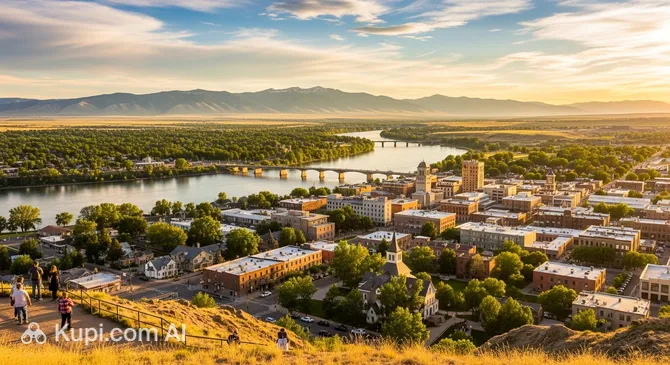
Riverton sits at roughly 4,950 feet in a high-desert basin that averages under 9 inches of rain a year - yet frozen pipes, appliance failures, and spring runoff still cause thousands of dollars in property damage across Fremont County every winter. Dry air outside does not protect the inside of a wall cavity once water starts moving.
Restoration work in Central Wyoming covers a wide spectrum of emergencies, and most properties eventually face at least one of them:
- Water damage restoration - burst supply lines, failed water heaters, ice-dam leaks, and washing machine hose ruptures
- Flooded basement cleanup - snowmelt intrusion, sump pump failure, and foundation seepage after rapid thaws
- Sewage cleanup - main line backups, floor drain overflows, and septic failures requiring biohazard protocols
- Fire damage restoration - structural cleaning, soot removal, and content recovery after kitchen, chimney, or electrical fires
- Smoke damage restoration - odor neutralization and HVAC decontamination, including wildfire smoke infiltration
- Mold removal - containment and remediation where moisture sat undetected behind finishes
The benefit to Riverton homeowners is straightforward: fast mitigation limits how far moisture, soot, and contamination travel. Delayed drying is the single most common reason a small loss turns into a full reconstruction project.
Common Damage Restoration Issues in Riverton, Wyoming
Wyoming's climate swings hard. Sub-zero January nights, 90-degree July afternoons, and shoulder seasons that cycle above and below freezing several times in one week all put stress on plumbing and building envelopes.
Local Causes We See Repeatedly
- Frozen and burst pipes in crawl spaces, garages, and exterior walls with thin insulation
- Snowmelt and Wind River runoff saturating soils, pushing groundwater against foundations
- Sump pumps that fail during power outages caused by high wind events
- Aging cast iron and clay sewer laterals collapsing or backing up into basements
- Wood stove, pellet stove, and chimney fires common in rural and older in-town homes
- Wildfire smoke drifting into the Wind River Basin, saturating attics and duct systems
- Swamp cooler overflows during summer, leaking down into ceilings unnoticed
Warning Signs Worth Acting On
- Musty or earthy odor that intensifies when the furnace or AC runs
- Baseboards that feel soft, cupped flooring, or nail pops in drywall
- Staining or efflorescence - white chalky residue - on basement block walls
- Slow floor drains or gurgling toilets that signal a partial sewer blockage
- Persistent smoke odor that returns on humid days after a fire
- Unexplained spikes in the water bill with no visible leak
Any of these signals warrants moisture mapping before finishes are removed. Guessing at the source usually means part of the water gets missed.
Neighborhoods We Serve in Riverton
Coverage extends across Riverton proper and the surrounding communities of Central Wyoming:
- Downtown Riverton and the historic residential blocks near Main Street
- North Riverton and neighborhoods surrounding Central Wyoming College
- Riverview and Sunset areas, including homes near Riverview Road
- Rural properties along Webbwood Road, Rendezvous, and the Riverton Valley irrigated acreage
- Wind River Reservation communities including Arapahoe, Ethete, and Fort Washakie
- Lander, Hudson, Shoshoni, Pavillion, Kinnear, and Dubois
- Outlying ranch and agricultural properties throughout Fremont County
Rural response matters here. Homes on private wells and septic systems face different sewage and water damage scenarios than in-town properties on municipal service, and crews arrive equipped for both.
Seasonal Damage Patterns in Riverton
Winter (December - February)
- Peak season for frozen and burst pipes, especially during extended cold snaps
- Ice dams forcing meltwater under shingles and into ceilings
- Highest fire and smoke damage volume from heating appliances and chimneys
Spring (March - May)
- Flooded basements from rapid snowmelt and saturated ground
- Sump pump overload and failure
- Sewer backups when groundwater infiltrates aging laterals
Summer (June - August)
- Thunderstorm downbursts driving rain through roof and window failures
- Evaporative cooler and AC condensate leaks
- Wildfire smoke intrusion requiring duct and content cleaning
Fall (September - November)
- Mold discovered from moisture that sat hidden all summer
- First hard freezes cracking outdoor spigots and unprotected supply lines
- Chimney and furnace startup fires after months of disuse
Housing Characteristics & Restoration Considerations
Riverton's housing stock spans more than a century, and each era responds differently to water, smoke, and microbial growth.
Common Construction Types
- Pre-1950 homes near downtown - plaster over wood lath, balloon framing, unfinished stone or block basements, and original cast iron drain lines
- 1950s - 1970s ranch homes - concrete block foundations, finished basements added later, galvanized supply piping prone to pinhole leaks
- 1980s - 2000s subdivisions - stick framing, fiberglass batt insulation, and crawl spaces with vapor barrier issues
- Manufactured and modular housing - common county-wide, with vulnerable belly wrap, skirted underbellies, and limited drying access
- Rural ranch properties - well systems, pressure tanks, and outbuildings with minimal freeze protection
How Construction Shapes the Restoration Plan
- Balloon framing lets water and smoke travel vertically between floors, so inspection extends well beyond the visible loss.
- Plaster holds moisture longer than drywall and requires different drying strategies and monitoring intervals.
- Finished basements with carpet pad, paneling, and framed walls trap water against concrete - controlled demolition is often unavoidable.
- Manufactured homes need underbelly access created for airflow, or moisture simply stays put and mold follows.
- Older cast iron and clay laterals raise the likelihood of Category 3 sewage contamination, requiring antimicrobial treatment and porous material removal.
- Smoke residue behaves differently on plaster, paneling, and painted drywall, so cleaning agents are matched to the substrate.
Environmental Conditions & Damage Implications
The Wind River Basin creates conditions that both help and complicate restoration. Low ambient humidity assists drying, but it also masks problems by evaporating surface water while framing and insulation stay saturated.
Climate Factors
- Wide daily temperature swings that expand and contract plumbing and building materials
- Roughly 9 - 10 inches of annual precipitation, much of it arriving as concentrated snowmelt or summer storms
- Persistent wind that drives rain horizontally into siding and window flashing
- Long heating seasons that push combustion byproducts and smoke odor deep into porous materials
Soil and Water Conditions
- Alkaline, clay-heavy and alluvial soils that drain slowly and hold water against foundations
- Irrigation canals and ditch systems throughout the Riverton Valley raising seasonal water tables
- Hard, mineral-rich water that scales water heaters and shortens supply line lifespan
- Shallow groundwater in valley-floor neighborhoods contributing to chronic basement seepage
Air Quality Implications
- Regional wildfire smoke settling into attics, ductwork, and soft contents
- Blowing dust and fine particulate that combine with soot to make residues more abrasive
- Tightly sealed winter homes concentrating mold spores and combustion odors indoors
Because outdoor dew points swing dramatically, drying plans are built around psychrometric readings taken on site rather than assumptions about a "dry climate."
Why Mitigation Should Start Before the Insurance Claim Is Settled
The instinct after discovering water is to call the insurance company first. That call matters - but it should not delay drying. Most policies actually require the property owner to take reasonable steps to prevent further damage, and waiting for an adjuster's schedule can work against you.
What Happens While You Wait
- Within hours, water wicks into drywall, insulation, subfloor, and framing
- Cabinet bases and MDF trim swell and delaminate permanently
- Microbial growth can begin within 24 - 48 hours in the right conditions
- Clean water can degrade into contaminated categories as it contacts building materials and soil
- Hardwood cupping that could have been dried in place becomes a full replacement
A Standards-Based Response Sequence
- Stop the source - shut off supply, isolate the appliance, or address the backup
- Assess and document - moisture meters, thermal imaging, and photo documentation for the claim file
- Classify the loss - determine water category and class per IICRC S500 guidelines to set the scope
- Extract - remove standing water with truck-mounted and portable extraction equipment
- Controlled demolition - remove only non-salvageable, contaminated, or non-drying materials
- Structural drying - place air movers and commercial dehumidifiers, then monitor readings daily until dry standards are met
- Antimicrobial and odor treatment - applied where category and contamination level warrant it
- Rebuild - restore finishes once documented dry readings confirm the structure is ready
The same principle applies to fire and smoke losses. Soot is acidic and continues etching metal, glass, and finishes every day it sits. Sewage losses follow IICRC S500 Category 3 protocols with containment, PPE, and removal of porous materials, while mold projects follow S520 containment and clearance practices. Documentation gathered during emergency mitigation typically strengthens the claim rather than complicating it - adjusters work from moisture logs and photos, not from a dried-out guess weeks later.





