
Damage Restoration in Lander, WY
- Damage Restoration Services Overview
- Common Damage Restoration Issues in Lander, Wyoming
- Neighborhoods We Serve in Lander
- Seasonal Damage Patterns in Lander
- Housing Characteristics & Restoration Considerations
- Environmental Conditions & Damage Implications
- 24/7 Emergency Response Across Fremont County
Damage Restoration Services Overview
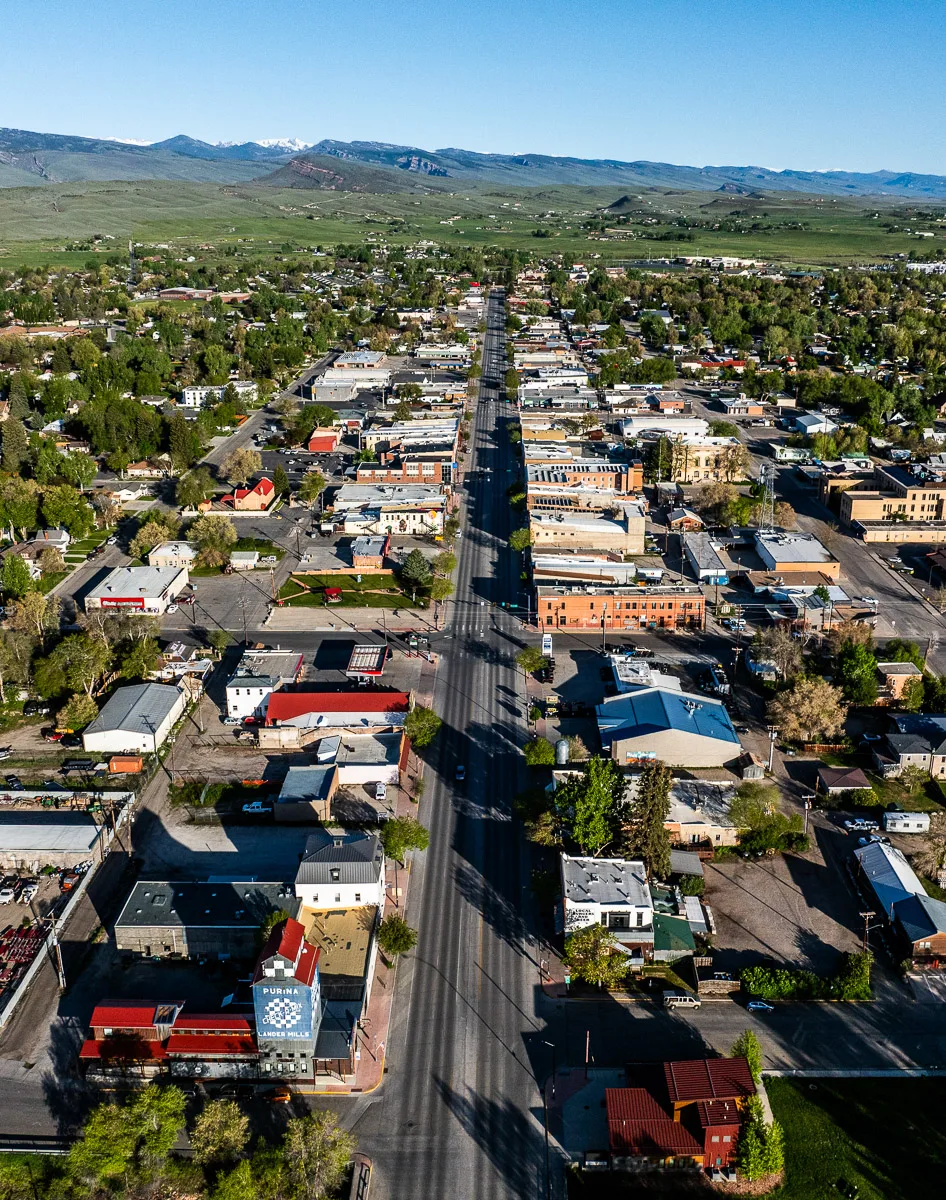
What would you do if you walked into your Lander home tomorrow morning and found two inches of water spreading across the basement floor - or the smell of smoke still hanging in the drywall after a kitchen fire? Property damage rarely announces itself in advance, and the hours that follow decide how much of your home can be saved.
Restoration work in Fremont County covers a connected set of specialties, each one addressing a different type of loss:
- Water Damage Restoration - extraction, structural drying, and moisture mapping after burst pipes, appliance failures, or roof leaks
- Flooded Basement - pump-out, content removal, and dehumidification for below-grade spaces along the Popo Agie floodplain
- Sewage Cleanup - containment and disinfection after backups, septic failures, or municipal line surcharges
- Fire Damage Restoration - debris removal, structural stabilization, and rebuild coordination
- Smoke Damage Restoration - soot removal from surfaces, HVAC systems, and soft contents, plus odor neutralization
- Mold Removal - inspection, containment, remediation, and correction of the moisture source
The benefit for Lander residents is straightforward: faster drying means fewer materials torn out, lower repair scope, and a stronger insurance file. Local IICRC certified crews such as UpRight Construction & Restoration Services at (307) 362-0003 and Restoration Wranglers at (307) 323-7777 respond around the clock across the region.
Common Damage Restoration Issues in Lander, Wyoming
Lander sits at roughly 5,350 feet at the mouth of Sinks Canyon, where mountain runoff, hard winters, and dry summers each create their own restoration problems.
Local Causes of Loss
- Frozen and burst pipes - unheated crawlspaces and exterior walls on older Main Street-area homes give way during deep cold snaps
- Spring snowmelt - runoff from the Wind River Range saturates soil and pushes water through foundation cracks and window wells
- Sump pump and sewer backups - heavy melt periods overwhelm older clay laterals, sending contaminated water into finished basements
- Wood stove and chimney fires - common in homes that rely on supplemental heat through long winters
- Wildfire smoke intrusion - late-summer smoke enters through HVAC intakes and settles into insulation and fabrics
- Hidden mold - tightly sealed, well-insulated homes trap humidity from bathrooms, laundry, and slow leaks
Warning Signs Worth Acting On
- Musty odor in a basement or closet that returns after cleaning
- Tide lines, bubbling paint, or cupped flooring near exterior walls
- Gurgling floor drains or slow toilets - often the first hint of a sewer issue
- Soot streaks above outlets, doorways, or vents after any fire event
- Persistent smoke smell that intensifies when the furnace runs
- Condensation on windows that lingers into midday
Each of these signals moisture or contamination that is already spreading behind finished surfaces. Documenting the problem with photos before cleanup begins strengthens your claim.
Neighborhoods We Serve in Lander
Restoration crews cover the full Lander valley and the surrounding Fremont County communities, including:
- Downtown Lander and the historic Main Street district
- North Lander and the Baldwin Creek Road corridor
- South Lander near Sinks Canyon Road and Fremont County Fairgrounds
- Squaw Creek, Table Mountain, and rural acreage west of town
- Neighborhoods along the Middle Fork Popo Agie River
- Hudson, Fort Washakie, Ethete, and Arapahoe on the Wind River Reservation
- Riverton, Shoshoni, Dubois, and Atlantic City for extended response calls
Homes on the west side sit closer to canyon runoff and often need flooded basement service in spring. Rural properties frequently rely on septic systems and private wells, which changes the approach to sewage cleanup and post-loss water testing. Knowing which streets sit on tight clay versus river gravel helps crews predict where groundwater will push in first.
Seasonal Damage Patterns in Lander
Damage in Lander follows a fairly predictable annual rhythm, and knowing the pattern lets homeowners get ahead of it.
- December through February - peak season for frozen and burst pipes, ice dam leaks, and heating-related fires from wood stoves, space heaters, and chimneys. Smoke damage calls spike alongside them.
- March through May - snowmelt and rain-on-snow events drive flooded basements, foundation seepage, sump pump failures, and sewer line surcharges that require sewage cleanup.
- June through August - thunderstorm downbursts and hail create roof and window leaks. Wildfire season brings smoke intrusion, and rising indoor humidity from spring moisture triggers mold growth in basements and crawlspaces.
- September through November - the first hard freezes catch unwinterized hose bibs and irrigation lines. Furnaces restart and push accumulated soot and dust through ductwork, revealing lingering smoke odor.
Mold rarely appears on schedule - it shows up four to eight weeks after any untreated water event, which is why spring flooding often becomes a summer mold removal project. Scheduling seasonal inspections before winter and again after runoff catches most problems while they are still small.
Housing Characteristics & Restoration Considerations
Lander's housing stock spans more than a century, and building age directly shapes how a restoration project unfolds.
Common Construction Types
- Early 1900s to 1940s homes near downtown - stone or block foundations, plaster walls, balloon framing, and knob-and-tube remnants. Fire spreads vertically fast in balloon-framed walls, and plaster holds moisture longer than drywall.
- 1950s to 1970s ranch homes - full basements, cast iron and clay drain lines prone to root intrusion, and original single-pane windows that generate condensation.
- 1980s to 2000s subdivisions - wood-frame construction with finished basements, carpeted lower levels, and vinyl siding.
- Newer builds and manufactured homes - tight envelopes, spray foam or dense batt insulation, and limited natural ventilation.
- Log and timber-frame homes in the canyon and foothills - absorbent wood surfaces that trap smoke odor and require specialized cleaning.
How This Affects Restoration
- Older masonry foundations wick groundwater, so flooded basement drying often requires cavity ventilation and negative-pressure drying rather than surface fans alone.
- Finished basements with carpet pad and paneling usually need controlled demolition after sewage exposure - porous materials cannot be disinfected in place.
- Tightly sealed newer homes hold humidity, making mold removal a recurring concern unless mechanical ventilation is corrected.
- Plaster, log, and open-beam interiors need hand cleaning and sealing during smoke damage restoration.
- Pre-1980 renovations may contain asbestos or lead, requiring testing before demolition begins.
Environmental Conditions & Damage Implications
The same high-desert climate that makes Lander pleasant creates specific restoration challenges.
Climate and Air
- Low outdoor humidity for much of the year speeds structural drying - but only if equipment is placed correctly and air exchange is controlled
- Wide daily temperature swings drive condensation inside wall cavities and on cold-side sheathing
- Extended sub-zero stretches freeze standing water in basements, complicating extraction
- Late-summer wildfire smoke degrades indoor air quality and deposits fine particulate that standard cleaning misses
- Winter inversions in the valley keep woodsmoke and combustion byproducts near ground level
Water and Soil
- Hard, mineral-rich water leaves scale that hides slow leaks at fixtures and water heaters
- Snowmelt from the Wind River Range raises the water table sharply in spring, increasing hydrostatic pressure on foundations
- Mixed clay and alluvial gravel soils shift with moisture, opening foundation cracks that become entry points
- Rural septic systems saturate during runoff, raising the risk of backups that demand sewage cleanup
- Alkaline soil and sediment in floodwater require different cleaning agents than clean-water losses
The practical takeaway: dry air helps, but it does not substitute for moisture meters, thermal imaging, and antimicrobial treatment. Materials that feel dry to the touch can still hold enough moisture to support mold growth behind the surface, which is why documented drying logs matter on every job.
24/7 Emergency Response Across Fremont County
A water loss doubles in scope roughly every 24 hours it goes untreated. Category 1 clean water becomes Category 2 within a day or two, and contaminated Category 3 conditions - the same classification as raw sewage - can develop shortly after. Speed is the single largest factor in what a restoration project ends up costing you in materials and disruption.
What Fast Response Prevents
- Swelling and delamination of subfloor, cabinetry, and baseboard
- Wicking up drywall into insulation and wall cavities
- Mold colonization, which can begin within 24 to 48 hours
- Soot acids etching glass, metal, and appliance finishes after a fire
- Permanent odor bonding into carpet, upholstery, and log walls
- Secondary damage to electrical systems and mechanicals
How an Emergency Call Unfolds
- Phone triage - a technician walks you through shutting off water, gas, or power safely before crews arrive
- Site assessment - moisture mapping, thermal imaging, and water category classification
- Containment and extraction - standing water removed, contaminated materials isolated with negative air
- Structural drying - air movers, commercial dehumidifiers, and daily moisture readings logged
- Cleaning and treatment - antimicrobial application, soot removal, HVAC cleaning, and odor neutralization
- Documentation and rebuild - photos, drying logs, and scope submitted for your insurance claim, followed by reconstruction
Local providers answer around the clock: UpRight Construction & Restoration Services at (307) 362-0003, the 24-hour line at 834 Main St. reached at (307) 857-0303, and Restoration Wranglers at (307) 323-7777. Because these crews are based in Wyoming rather than dispatched from out of state, response times to Lander, Hudson, Fort Washakie, and outlying ranch properties stay short - even during a February cold snap or a spring runoff weekend when multiple homes call at once.





