
Damage Restoration in Spring Creek, NV
- Damage Restoration Services Overview
- Common Damage Restoration Issues in Spring Creek, Nevada
- Neighborhoods We Serve in Spring Creek
- Seasonal Damage Patterns in Spring Creek
- Housing Characteristics & Restoration Considerations
- Environmental Conditions & Damage Implications
- Spring Creek Septic, Well, and Winter Freeze Emergencies
Damage Restoration Services Overview
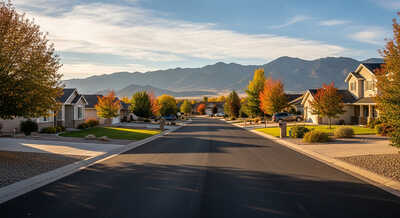
Few things unsettle a household faster than standing water in a basement, the smell of smoke in the drywall, or a sewage backup on a Sunday night. Property damage rarely arrives at a convenient hour, and in Spring Creek, Nevada, the response window matters - high desert air, freeze-thaw swings, and older well and septic systems all change how quickly a small problem becomes a structural one.
Our restoration teams handle the full range of property emergencies for homeowners and business owners across the 89815 area:
- Water Damage Restoration - extraction, structural drying, moisture mapping, and repairs after supply line breaks, appliance failures, and roof leaks
- Flooded Basement - pump-out, sump troubleshooting, contents handling, and drying of below-grade spaces
- Sewage Cleanup - removal of contaminated material, disinfection, and safe disposal after septic or drain line backups
- Fire Damage Restoration - board-up, debris removal, soot cleaning, and structural rebuild coordination
- Smoke Damage Restoration - odor neutralization, HVAC cleaning, and treatment of wildfire smoke intrusion
- Mold Removal - containment, source correction, remediation, and post-work verification
Every job begins with documentation for your insurance carrier and ends with a property that is dry, clean, and safe to occupy. Call (678) 679-5651 any hour for a free estimate - we are available 24/7.
Common Damage Restoration Issues in Spring Creek, Nevada
Spring Creek sits at roughly 5,500 feet in Elko County, where winter nights routinely drop below zero and summer afternoons climb past 90 degrees. That range punishes plumbing, roofing, and foundations in ways that coastal-climate homes never experience.
What Causes Damage Here
- Frozen and burst pipes - lines in crawl spaces, garages, and exterior walls split during extended cold snaps, then release water when they thaw
- Snowmelt and runoff - spring melt from the Ruby Mountains saturates soil and pushes water toward foundations and window wells
- Septic and leach field backups - many Spring Creek properties rely on septic systems that struggle when ground is frozen or saturated
- Well pump and pressure tank failures - a stuck pump or ruptured tank can flood a utility room quickly
- Wood stove, chimney, and space heater fires - supplemental heating is common at this elevation and remains a leading fire source
- Regional wildfire smoke - rangeland and mountain fires push smoke and fine ash into homes through vents and gaps
Warning Signs Worth Acting On
- Musty odor in a basement, crawl space, or closet that never fully clears
- Staining or bubbling paint along baseboards and ceiling seams
- Slow drains or gurgling fixtures that precede a sewage backup
- Soot film on window glass, light fixtures, or HVAC registers after a fire
- Persistent smoke odor that intensifies when the furnace runs
- Warped flooring, soft subfloor, or nail pops in drywall
Catching any of these early usually means drying and cleaning instead of demolition and rebuild.
Neighborhoods We Serve in Spring Creek
Spring Creek is spread across numbered tracts and rural parcels, and our crews know how travel time and terrain differ across them.
- Tracts 100 through 500 - established residential areas near the marina and golf course
- Tracts 600 and 700 - larger parcels with well and septic service
- Horse Palace and Fairway Estates areas - homes with outbuildings, barns, and detached garages
- Spring Creek Marina and Licht Parkway corridor - properties near open water and drainage channels
- Boulder Drive, Spring Valley Parkway, and Pleasant Valley Road - main access routes we use for rapid dispatch
We also respond throughout surrounding Elko County, including Elko, Lamoille, Ryndon, Osino, Halleck, Jiggs, and Carlin. Whether your property is on a paved subdivision street or a gravel road toward the Ruby Mountains, our equipment trailers are set up for the drive. Call (678) 679-5651 for service in 89815 and neighboring ZIP codes.
Seasonal Damage Patterns in Spring Creek
Restoration demand in northeastern Nevada follows a predictable annual rhythm. Knowing what is coming helps you prepare.
- December through February - peak season for frozen and burst pipes, ice dams on north-facing rooflines, and heating-related fire damage from wood stoves and chimneys. Sewage backups increase when septic lines freeze.
- March through April - snowmelt season brings the highest volume of flooded basement calls, saturated crawl spaces, and foundation seepage as runoff from the Rubies moves through valley soils.
- May through June - mold removal requests climb as homes dried out too slowly after winter and spring moisture events. Warmer air activates dormant growth behind walls.
- July through September - monsoon-style thunderstorms produce flash flooding, roof leaks, and wind damage. This is also wildfire season, when smoke damage restoration and ash cleanup dominate.
- October through November - appliance and water heater failures rise with heavier indoor use, and first hard freezes catch unwinterized hose bibs and irrigation lines.
Scheduling seasonal inspections before December and again in early May catches most issues while they remain small.
Housing Characteristics & Restoration Considerations
Spring Creek grew primarily from the 1970s onward as a planned community, so the housing stock skews toward late-twentieth-century construction with a strong mix of manufactured and modular homes alongside site-built ranch and two-story designs.
How Local Construction Affects Restoration
- Manufactured homes on piers or skirted foundations - underbelly insulation traps water after a supply line break, and it must be opened and dried rather than left to air out
- Crawl space foundations - common across the tracts, and a frequent source of hidden mold when vapor barriers are damaged or missing
- Partial and full basements - less common than in the Midwest but present in newer builds, and highly vulnerable during spring runoff without a functioning sump
- Wood-frame construction with fiberglass batt insulation - absorbs moisture readily and generally requires removal after Category 2 or 3 water intrusion
- Wood stove and pellet stove installations - common heat sources that concentrate soot and creosote residue when a flue fire occurs
- Septic systems and private wells - sewage cleanup here means addressing the tank, line, and leach field, not just the interior mess
Homes built before the mid-1980s may contain asbestos-bearing floor tile, popcorn ceiling texture, or lead-based paint. When demolition is part of water, fire, or mold work, we test suspect materials first and follow the appropriate handling protocol. Older homes also tend to have galvanized or polybutylene supply lines that fail without warning - worth flagging during any restoration so the repair addresses the cause, not just the damage.
Environmental Conditions & Damage Implications
The high desert climate of Elko County shapes every drying plan we build. Low ambient humidity is an advantage - but only when equipment is configured to take advantage of it.
Local Conditions That Influence Restoration
- Low relative humidity - outdoor air is often dry enough to accelerate structural drying, though winter cold limits how much ventilation helps and pushes us toward desiccant and refrigerant dehumidification
- Wide daily temperature swings - condensation forms inside wall cavities and on cold surfaces, feeding mold growth even when the room feels dry
- Hard, mineral-heavy well water - scale accelerates water heater and fixture failure, a frequent source of interior flooding
- Alkaline, clay-influenced valley soils - drain slowly during snowmelt and hold water against foundations and footings
- Elevation near 5,500 feet - affects air movement calculations and equipment performance during drying
- Wildfire smoke and rangeland dust - fine particulate settles in HVAC systems, attics, and soft goods, requiring source removal rather than fragrance masking
What This Means for Your Property
Mold in Spring Creek tends to hide rather than spread visibly, concentrating in crawl spaces, behind tubs, and under manufactured home flooring where moisture cannot escape. Sewage cleanup requires careful attention to soil contamination around septic components. Smoke odor lingers longer at elevation because pressure differentials pull residue deeper into porous materials. We use moisture meters, thermal imaging, and containment to address each of these conditions directly.
Spring Creek Septic, Well, and Winter Freeze Emergencies
Most Spring Creek properties operate outside municipal sewer and water service. That independence works well - until a freeze or a saturated leach field turns a routine day into an emergency, and the usual "call the city" option does not exist.
The Problem
- Septic lines and tank inlets freeze during extended sub-zero stretches, forcing waste back into lower-level fixtures
- Spring runoff saturates leach fields, reducing absorption and causing surfacing effluent or slow interior drains
- Well pressure tanks and pump housings rupture in unheated utility rooms and pump sheds
- Pressure loss can leave a home without water at the exact moment it needs to be flushed and sanitized
How We Solve It
- Stabilize first - stop the source, isolate the affected area, and set containment so contamination does not migrate into clean rooms
- Extract and remove - pump standing water, remove saturated porous materials, and bag contaminated contents for proper disposal
- Clean and disinfect - apply appropriate antimicrobial treatment to framing, subfloor, and hard surfaces after physical removal of soils
- Dry with the right equipment - place air movers and dehumidifiers sized for high-desert conditions, then monitor moisture readings until materials reach dry standard
- Verify and document - photograph every stage, log daily readings, and provide a complete file for your insurance adjuster
- Repair and rebuild - reinstall flooring, drywall, trim, and insulation so the space looks the way it did before the loss
The Benefit
Handling water, sewage, mold, and structural repair through one team means no gaps between contractors and no arguments about who owns which part of the job. You get a single point of contact, documentation that carriers accept, and a property returned to safe condition. Reach us at (678) 679-5651 - day, night, weekend, or holiday.





