Damage Restoration in Douglas, NV
- Damage Restoration Services Overview
- Common Damage Restoration Issues in Douglas, Nevada
- Neighborhoods We Serve in Douglas
- Seasonal Damage Patterns in Douglas
- Housing Characteristics & Restoration Considerations
- Environmental Conditions & Damage Implications
- Wildfire Smoke and Ash Damage Recovery in Douglas County
Damage Restoration Services Overview
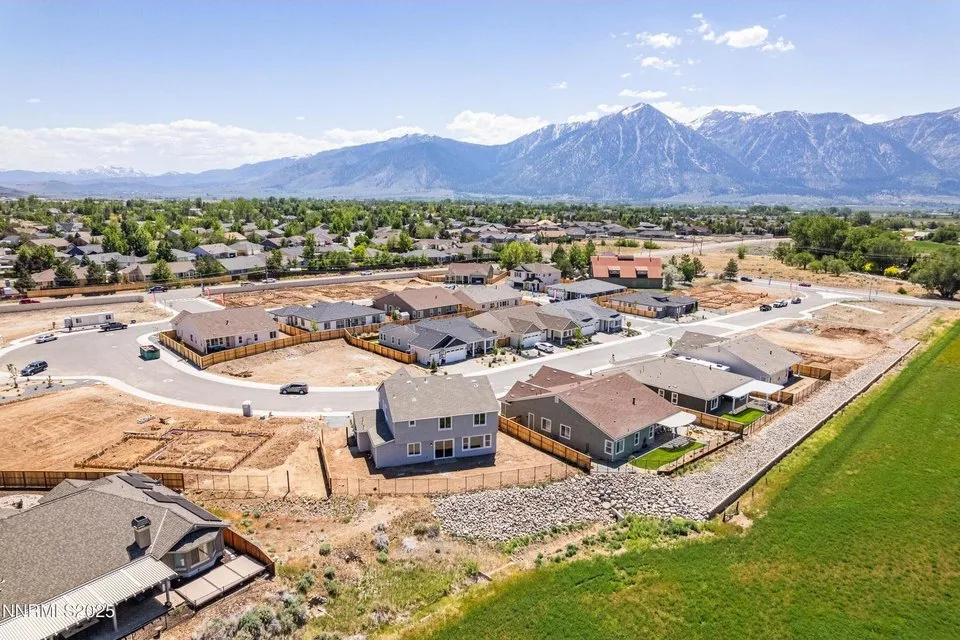
Property damage strikes without warning, and immediate action can mean the difference between minor repairs and extensive reconstruction. Nevada Water and Fire Restoration stands ready as your trusted partner in property damage recovery throughout the Reno, Sparks, and Tahoe areas, including Douglas County.
Our comprehensive restoration services address every type of property emergency Douglas residents face:
- Water Damage Restoration - From burst pipes to appliance failures, we extract standing water and restore affected areas
- Flooded Basement - Specialized basement drying and dehumidification to prevent structural damage
- Sewage Cleanup - Safe, thorough sanitization of contaminated areas with proper disposal protocols
- Fire Damage Restoration - Complete property recovery from flames, heat, and structural damage
- Smoke Damage Restoration - Advanced odor elimination and surface cleaning throughout affected properties
- Mold Removal - Professional remediation to eliminate health hazards and prevent recurrence
Maxwell Restoration provides expert 24/7 emergency services with rapid response times across Douglas County. Our certified technicians use advanced equipment and proven techniques to minimize damage, reduce restoration time, and return your property to pre-loss condition safely and efficiently.
Common Damage Restoration Issues in Douglas, Nevada
Douglas County's unique geography and climate create specific challenges for property owners. The area's elevation changes and proximity to Lake Tahoe contribute to distinct damage patterns throughout the year.
Water-related emergencies dominate restoration calls in Douglas:
- Frozen pipe bursts during harsh winter temperatures
- Basement flooding from rapid snowmelt and spring runoff
- Appliance failures in older mountain homes
- Roof leaks from heavy snow loads and ice dams
- Sewer backups due to aging infrastructure in established neighborhoods
Fire and smoke damage present year-round risks:
- Wildfire exposure during dry summer months
- Chimney fires from increased wood-burning stove use
- Electrical fires in older wiring systems
- Kitchen fires from holiday cooking incidents
Mold growth accelerates in Douglas due to:
- High humidity levels near lake areas
- Poor ventilation in mountain cabin construction
- Hidden moisture from undetected leaks
- Condensation issues in temperature-variable climates
Early warning signs include musty odors, visible water stains, peeling paint, warped flooring, and unexplained health symptoms among occupants.
Neighborhoods We Serve in Douglas
Our restoration teams provide comprehensive coverage throughout Douglas County and surrounding communities. We serve both residential and commercial properties across diverse neighborhoods with varying restoration needs.
Primary service areas include:
- Minden - Historic downtown area with older commercial buildings and established residential zones
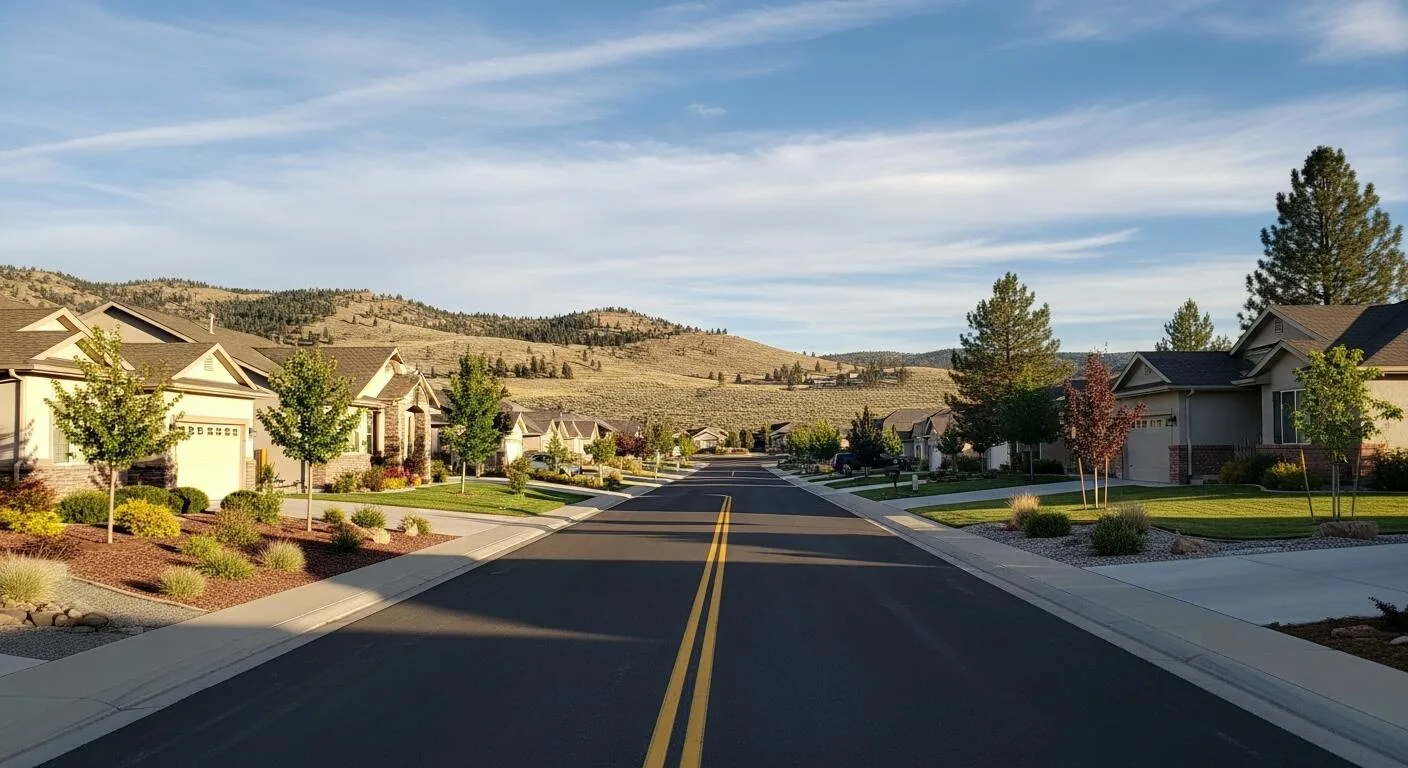
- Gardnerville - Growing suburban communities with mixed housing ages
- Genoa - Nevada's oldest town featuring historic properties requiring specialized restoration
- Lake Tahoe South Shore - Vacation homes and year-round residences near the lake
- Topaz Lake - Recreational properties and permanent residences
- Fish Springs - Rural properties and ranch lands
- Dresslerville - Established community with diverse property types
We also extend services to adjacent areas in Carson City, Alpine County California, and other neighboring regions where Douglas County residents may own secondary properties or businesses.
Seasonal Damage Patterns in Douglas
Douglas County experiences distinct seasonal damage patterns that property owners should anticipate and prepare for throughout the year.
Winter (December - February):
- Frozen pipe emergencies peak during coldest months
- Chimney and heating system fires increase
- Ice dam formation causes roof leaks and water damage
- Heavy snow loads stress older roof structures
Spring (March - May):
- Rapid snowmelt creates basement flooding risks
- Roof damage becomes apparent as snow clears
- Mold growth accelerates in damp conditions
- Plumbing issues emerge from winter freeze damage
Summer (June - August):
- Wildfire threats reach annual peaks
- Thunderstorm damage from sudden downpours
- Air conditioning failures lead to humidity problems
- Vacation home water damage from undetected leaks
Fall (September - November):
- Preparation period before winter weather
- Chimney cleaning and heating system maintenance
- Final wildfire season before winter moisture
- Holiday cooking incidents increase fire risks
Housing Characteristics & Restoration Considerations
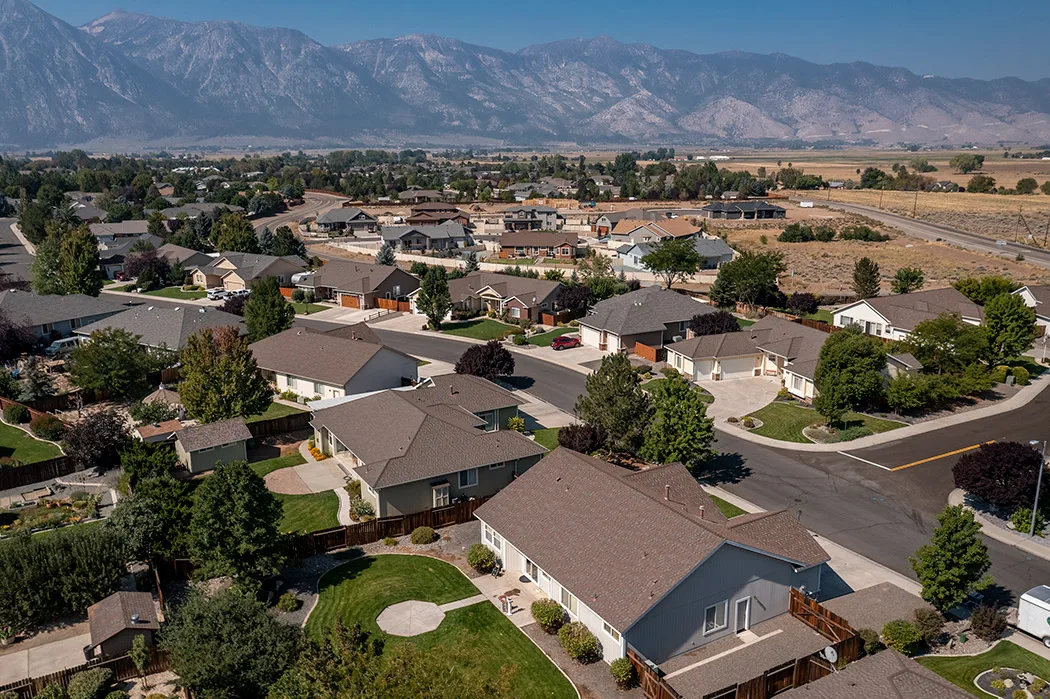
Douglas County's housing stock reflects diverse construction periods and styles, each presenting unique restoration challenges. Understanding these characteristics helps property owners and restoration professionals address damage effectively.
Construction Age Distribution:
- Historic properties (pre-1940) - Genoa area features some of Nevada's oldest structures
- Mid-century homes (1940-1980) - Established neighborhoods in Minden and Gardnerville
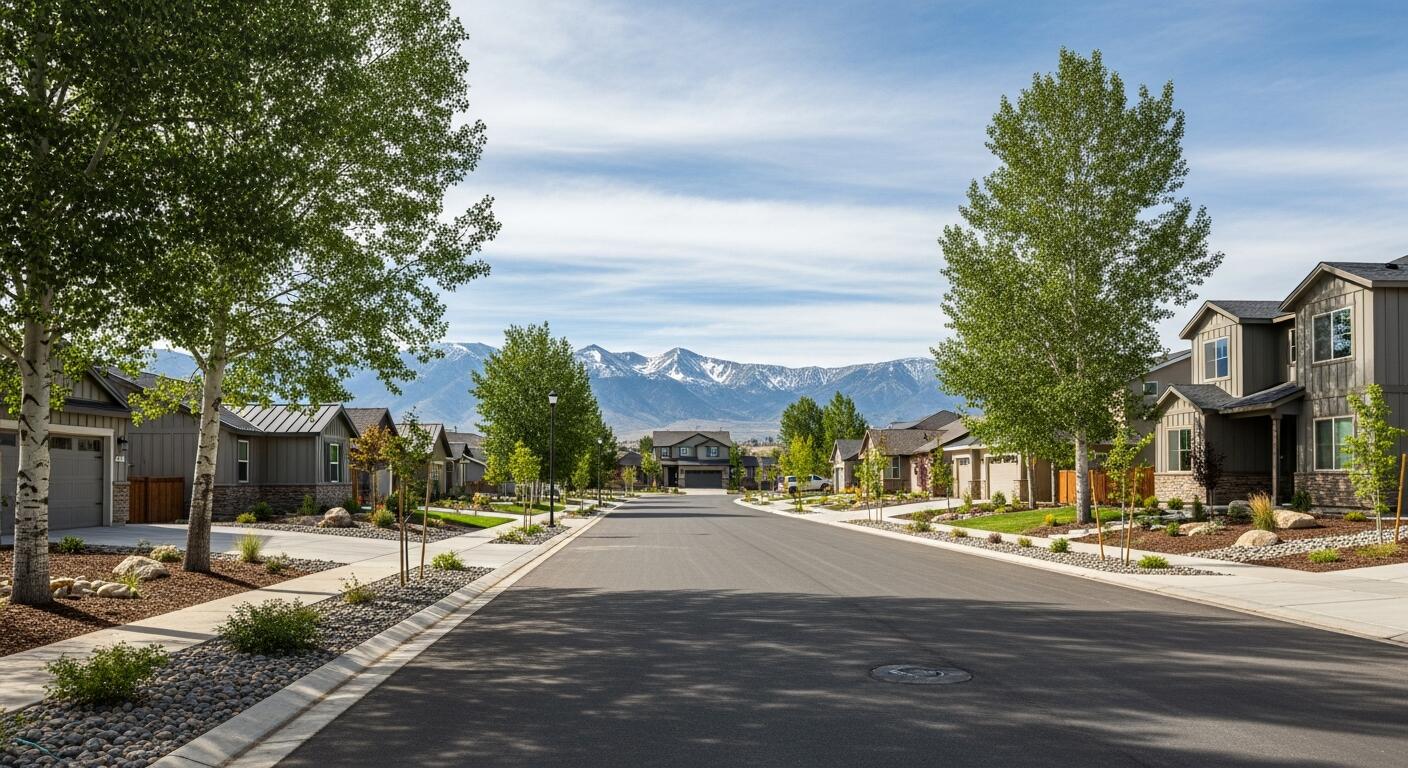
- Modern construction (1980-present) - Newer developments and Lake Tahoe properties
Common Building Types:
- Single-family ranch homes with concrete slab foundations
- Multi-level mountain homes with basement areas
- Log cabin construction in recreational areas
- Mobile and manufactured homes in designated communities
- Historic adobe and stone structures requiring specialized techniques
Restoration Considerations by Construction Type:
- Older homes often lack proper moisture barriers, increasing water damage severity
- Log construction requires specialized drying techniques to prevent rot and insect damage
- Basement areas in mountain homes face unique flooding and mold challenges
- Historic properties need preservation-focused restoration methods
- Modern homes typically feature better fire-resistant materials but complex HVAC systems
Material choices also impact restoration approaches, with wood siding, metal roofing, and stone foundations each requiring specific expertise for proper damage remediation.
Environmental Conditions & Damage Implications
Douglas County's environmental conditions significantly influence property damage patterns and restoration requirements. The area's high desert climate, elevation variations, and proximity to major water bodies create unique challenges for property maintenance and damage recovery.
Climate Factors:
- High elevation (4,000-7,000+ feet) creates extreme temperature fluctuations
- Low humidity levels accelerate fire spread but slow mold growth
- Intense UV exposure at altitude degrades building materials faster
- Sudden weather changes stress building systems and materials
Water and Soil Conditions:
- Alkaline soil conditions affect foundation drainage and sewage systems
- Seasonal groundwater fluctuations impact basement flooding risks
- Hard water mineral content complicates cleanup and restoration processes
- Rocky soil prevents proper drainage around foundations
Air Quality Considerations:
- Wildfire smoke infiltration requires specialized air purification
- Dust storms deposit fine particles throughout properties
- Pollen and allergen levels affect indoor air quality during restoration
- Temperature inversions trap pollutants in valley areas
Impact on Restoration Services:
- Rapid drying conditions require careful moisture monitoring during water damage restoration
- Extreme temperature changes complicate material expansion and contraction
- Altitude affects equipment performance and drying calculations
- Environmental contamination from wildfires requires enhanced filtration systems
Wildfire Smoke and Ash Damage Recovery in Douglas County
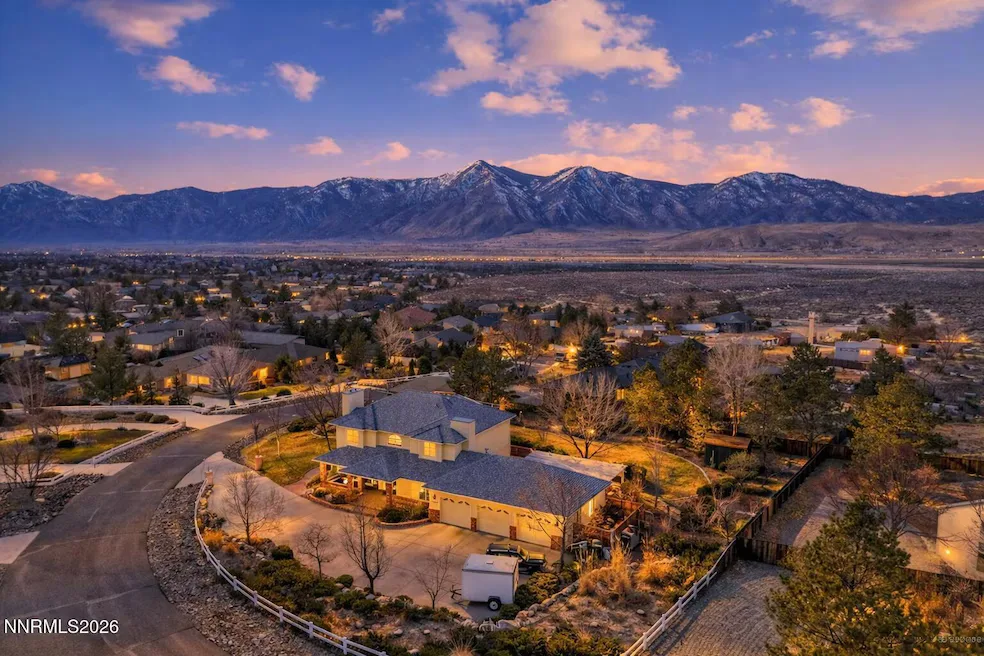
Douglas County's location in the Sierra Nevada foothills places properties at heightened risk for wildfire-related damage, even when fires occur miles away. Smoke and ash infiltration can cause extensive property damage requiring specialized restoration techniques beyond standard fire damage protocols.
Smoke Infiltration Patterns:
- Fine smoke particles penetrate through HVAC systems, electrical outlets, and microscopic gaps
- Porous materials like drywall, insulation, and textiles absorb odors deeply
- Temperature differences create pressure variations that drive smoke into unexpected areas
- Multi-story homes experience stack effect, pulling contaminated air through entire structures
Ash Damage Complications:
- Corrosive ash particles damage electronics, appliances, and metal fixtures
- Fine ash infiltrates ductwork, requiring complete HVAC system cleaning
- Wet ash becomes acidic, accelerating damage to surfaces and materials
- Ash residue continues releasing harmful particles long after initial exposure
Comprehensive Recovery Process:
- Immediate air quality assessment and containment setup
- HVAC system shutdown and protection to prevent further distribution
- Specialized cleaning of all surfaces using appropriate techniques for different materials
- Complete ductwork cleaning and filter replacement
- Ozone treatment and thermal fogging for odor elimination
- Air quality testing and clearance before property reoccupation
Professional restoration teams use advanced equipment including HEPA filtration systems, negative air machines, and specialized cleaning compounds designed specifically for wildfire residue. The process requires careful coordination to prevent cross-contamination and ensure complete removal of harmful particles and odors throughout affected properties.