
Damage Restoration in Caldwell, ID
- Damage Restoration Services Overview
- Common Damage Restoration Issues in Caldwell, Idaho
- Neighborhoods We Serve in Caldwell
- Seasonal Damage Patterns in Caldwell
- Housing Characteristics & Restoration Considerations
- Environmental Conditions & Damage Implications
- Irrigation Season, Sewer Backups, and Insurance Documentation in Canyon County
Damage Restoration Services Overview
What would you do if you walked downstairs tomorrow morning and found three inches of water covering the basement floor? Property damage rarely announces itself in advance, and in Caldwell the causes range from irrigation-season backflow to winter pipe failures and kitchen fires that fill a house with smoke in minutes.
Restoration work covers a wide span of emergencies, and each one calls for different equipment, containment methods, and documentation:
- Water Damage Restoration - extraction, structural drying, and moisture mapping after supply line breaks, appliance failures, and roof leaks
- Flooded Basement - pumping standing water, drying foundation walls, and salvaging stored belongings
- Sewage Cleanup - contaminated water removal, disinfection, and safe disposal of porous materials
- Fire Damage Restoration - board-up, debris removal, soot cleaning, and reconstruction of damaged framing and finishes
- Smoke Damage Restoration - odor neutralization, HVAC cleaning, and content restoration in rooms the flames never reached
- Mold Removal - source identification, containment, removal, and drying so growth does not return
For Caldwell homeowners, landlords, and business owners, fast response limits how far damage travels into flooring, drywall, and crawl spaces. Detailed photo and moisture documentation also supports an insurance claim that holds up under review.
Common Damage Restoration Issues in Caldwell, Idaho
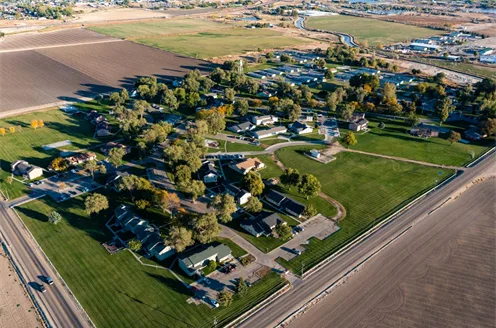
Caldwell sits in the heart of the Treasure Valley, surrounded by farmland, canals, and irrigation laterals - a setting that shapes the damage calls we see most often.
Local Causes of Property Damage
- Irrigation canal and lateral overflow during peak watering months, pushing water toward low-lying yards and basements
- Frozen and burst supply lines in uninsulated crawl spaces and exterior walls of older homes
- Aging clay or cast iron sewer laterals under mature neighborhoods, prone to root intrusion and backups
- Groundwater rising against foundations during spring runoff from the Boise and Payette drainages
- Agricultural equipment, outbuilding, and dry-grass fires that spread smoke into nearby structures
- Wood stoves, space heaters, and older electrical panels in homes built before modern code updates
Warning Signs Worth Acting On
- Musty or earthy odors near crawl space hatches, laundry rooms, or basement stairs
- Bubbling paint, stained baseboards, or flooring that flexes underfoot
- Slow drains in multiple fixtures, or gurgling sounds when a toilet flushes
- Soot film on window casings, air vents, or the tops of door frames after a small fire
- Lingering smoke odor that returns when the furnace or AC cycles on
- Condensation on ductwork, rusting nail heads, or visible growth on subfloor sheathing
Damage that stays hidden behind cabinets or under carpet pad often does the most harm, because moisture keeps feeding materials long after the surface looks dry.
Neighborhoods We Serve in Caldwell
Response covers the full city and the surrounding Treasure Valley communities, from historic districts to newer subdivisions on former farm ground.
- Downtown Caldwell and Indian Creek corridor - older commercial buildings, upstairs apartments, and mixed-use structures
- Steunenberg Residential Historic District - early 20th-century homes with basements and original woodwork
- College of Idaho area and Dearborn - rentals, student housing, and long-standing single-family blocks
- Lakeview and Sunnyridge - mid-century ranches with crawl spaces
- Middleton Road, Ustick, and Farmway corridors - rural properties, shops, and outbuildings
- Sky Ranch, Fairview, and newer east-side subdivisions - slab and stem-wall construction
Surrounding service areas include Nampa, Middleton, Wilder, Parma, Notus, Greenleaf, Melba, and unincorporated Canyon County. Rental properties, commercial buildings, agricultural structures, and multi-unit housing all receive the same containment and documentation standards.
Seasonal Damage Patterns in Caldwell
Winter (December - February)
- Frozen pipe breaks in crawl spaces, garages, and exterior walls during cold snaps
- Heating-related fire and smoke damage from wood stoves, fireplaces, and portable heaters
- Ice dam backups along low-slope roof sections and gutters
Spring (March - May)
- Flooded basements from snowmelt, saturated soil, and rising groundwater
- Sewer backups as irrigation water returns and lines take on extra flow
- Mold growth appearing from winter leaks that went unnoticed
Summer (June - August)
- Canal and irrigation overflow reaching yards, crawl spaces, and basement window wells
- Air conditioner condensate line failures and water heater ruptures
- Grass, field, and outbuilding fires producing widespread smoke damage
- Thunderstorm wind and rain forcing water past roof flashing
Fall (September - November)
- First furnace cycles circulating dust, soot, and stale smoke odor
- Crawl space humidity spikes as temperatures drop and condensation forms
- Roof and gutter issues surfacing with the first sustained rain
Housing Characteristics & Restoration Considerations
Caldwell's housing stock spans more than a century, and the construction era usually dictates the restoration approach.
Older Homes (pre-1960)
- Full or partial basements with block, brick, or poured walls that wick moisture
- Plaster and lath walls that hold water differently than drywall and require slower, monitored drying
- Clay or cast iron sewer laterals more likely to back up
- Possible asbestos-containing flooring, mastic, or insulation and lead-based paint requiring careful handling before demolition
- Balloon framing that lets smoke and odor travel between floors
Mid-Century Ranches (1960s - 1990s)
- Vented crawl spaces vulnerable to standing water and mold on joists and subfloor
- Original galvanized or early plastic supply lines nearing end of life
- Ducting run through crawl spaces, which spreads odor and spores when contaminated
Newer Subdivisions (2000s - present)
- Slab-on-grade and stem-wall foundations where water spreads laterally under flooring
- Tight building envelopes that trap humidity and concentrate smoke residue
- Engineered wood flooring and MDF trim that swell quickly and rarely dry in place
- Multi-story layouts where second-floor laundry or bathroom leaks damage ceilings below
Farm properties and rural acreage add shops, barns, and well systems to the picture, each with its own contamination and drying considerations.
Environmental Conditions & Damage Implications
Local climate and soil behavior influence how quickly water moves, how long drying takes, and how likely mold becomes.
Climate
- Semi-arid conditions with hot, dry summers that speed surface evaporation but hide deep pockets of trapped moisture
- Cold winters with freeze-thaw cycles that stress plumbing and foundation joints
- Low outdoor humidity much of the year, making dehumidification and containment planning important for consistent results
Soil and Groundwater
- Silt loam and clay-heavy soils common across Canyon County drain slowly and hold water against foundations
- Extensive canal and lateral network keeps shallow groundwater elevated during the irrigation season
- Hydrostatic pressure pushing moisture through basement walls and cold joints
Water and Air Quality
- Hard water contributing to appliance failures, water heater corrosion, and pinhole leaks
- Irrigation and canal water carrying agricultural runoff, meaning outdoor flooding is often treated as contaminated
- Seasonal wildfire smoke and field burning adding particulate load that settles in attics and HVAC systems
- Agricultural dust that combines with soot after a fire, complicating surface cleaning
These factors shape drying targets, disinfectant selection, and whether contaminated materials can be cleaned or must be removed. Crawl space encapsulation, sump systems, and vapor barriers frequently come up during the rebuild phase for Caldwell properties.
Irrigation Season, Sewer Backups, and Insurance Documentation in Canyon County
Few local factors affect restoration outcomes more than Caldwell's irrigation infrastructure. From roughly April through October, canals and laterals run full, raising shallow groundwater and creating conditions where basements and crawl spaces take on water without a single plumbing failure inside the home.
Why Irrigation-Season Water Gets Treated Differently
- Canal and lateral water carries soil, fertilizer, animal waste, and other agricultural runoff
- Category classification affects whether carpet, pad, insulation, and drywall can stay
- Antimicrobial application and air filtration become part of the drying plan, not an add-on
- Crawl space vapor barriers often need replacement rather than drying in place
Sewer Backups in Older Service Areas
Aging laterals under mature Caldwell neighborhoods handle heavy seasonal flow poorly. When a backup occurs, cleanup follows a defined sequence:
- Stop the source and stop use of fixtures on the affected line
- Set containment and negative air pressure to protect unaffected rooms
- Extract contaminated water and remove porous materials that cannot be disinfected
- Clean and disinfect structural surfaces, then verify with moisture readings
- Dry to documented targets before any rebuild begins
- Reinstall flooring, drywall, trim, and fixtures
Building a Claim That Holds Up
- Photo and video record of conditions before anything is moved or removed
- Moisture maps and daily readings showing drying progress
- Equipment logs, scope notes, and clear cause-of-loss description
- Separate documentation for groundwater, sewer, and appliance-related losses, since coverage differs
- Direct communication with adjusters so approvals do not stall the rebuild
Understanding how canal schedules, soil behavior, and local policy language interact helps Caldwell property owners avoid disputes and get back into a fully restored space.





