
Damage Restoration in Hyrum, UT
- Damage Restoration Services Overview
- Common Damage Restoration Issues in Hyrum, Utah
- Neighborhoods We Serve in Hyrum
- Seasonal Damage Patterns in Hyrum
- Housing Characteristics & Restoration Considerations
- Environmental Conditions & Damage Implications
- Agricultural Community Water and Fire Safety Challenges
Damage Restoration Services Overview
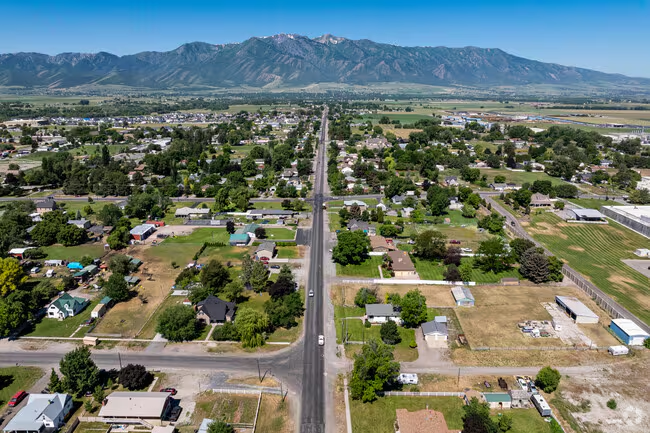
When disaster strikes your Hyrum home - whether it's a burst pipe flooding your basement at 3 AM or discovering smoke damage after a kitchen fire - you need immediate, professional restoration services. Property damage can escalate rapidly, turning a manageable situation into a costly nightmare within hours.
Sierra Restoration provides comprehensive damage restoration services throughout Hyrum, Utah, available 24/7 to handle emergency situations. Our expert teams specialize in:
- Water Damage Restoration - Advanced extraction and drying techniques for all water emergencies
- Flooded Basement - Complete basement water removal and moisture control
- Sewage Cleanup - Safe, sanitary cleanup of contaminated water situations
- Fire Damage Restoration - Structural repairs and content restoration after fires
- Smoke Damage Restoration - Odor elimination and surface cleaning from smoke exposure
- Mold Removal - Professional remediation and prevention strategies
Fast response times make the difference between minor repairs and major reconstruction. Our certified technicians use industrial-grade equipment and proven techniques to restore your property efficiently, helping Hyrum families get back to normal life quickly.
Common Damage Restoration Issues in Hyrum, Utah
Hyrum's unique location in Cache Valley creates specific challenges for homeowners. The area's climate patterns and geographical features contribute to various types of property damage throughout the year.
Water-related damage represents the most frequent restoration need in Hyrum:
- Spring snowmelt flooding - Rapid temperature changes cause basement flooding and foundation water intrusion
- Frozen pipe bursts - Winter temperatures often cause plumbing failures in older homes
- Appliance water line failures - Refrigerators, washing machines, and water heaters commonly leak in homes built before 2000
- Sewer backup issues - Clay sewer lines in established neighborhoods frequently crack or collapse
Fire and smoke damage also affects Hyrum properties regularly:
- Wildfire smoke infiltration - Seasonal wildfires in surrounding areas deposit smoke residue throughout homes
- Chimney and fireplace incidents - Older homes with original chimneys experience creosote buildup and structural issues
- Kitchen fires - Cooking accidents remain the leading cause of residential fire damage
Mold growth becomes problematic due to:
- High humidity from nearby irrigation systems
- Poor ventilation in basement areas
- Delayed water damage cleanup
Neighborhoods We Serve in Hyrum
Our restoration teams provide comprehensive services throughout all Hyrum neighborhoods and surrounding communities. We serve both established residential areas and newer developments across the region.
Primary service areas include:
- Historic Hyrum downtown district - Older homes requiring specialized restoration techniques
- East Hyrum residential areas - Mixed-age neighborhoods with varying construction types
- Hyrum Green subdivision - Newer construction with modern building materials
- Rural properties - Farms and acreage homes throughout Hyrum's outskirts
Extended service coverage reaches:
- Paradise and Avon communities
- Wellsville residential areas
- Nibley and Millville neighborhoods
- Rural Cache Valley properties
Our local presence means faster response times and familiarity with specific neighborhood characteristics that affect restoration approaches.
Seasonal Damage Patterns in Hyrum
Hyrum experiences distinct seasonal patterns that directly influence the types and frequency of property damage requiring restoration services.
Spring (March-May): Peak season for water damage restoration as snowmelt overwhelms drainage systems and causes basement flooding. Frozen pipe damage from winter becomes apparent as temperatures rise.
Summer (June-August): Wildfire season brings smoke damage concerns throughout the valley. Thunderstorms create sudden flooding situations, while irrigation system failures affect rural properties.
Fall (September-November): Mold removal requests increase as humidity levels fluctuate and heating systems activate. Chimney and fireplace preparation reveals fire damage from previous seasons.
Winter (December-February): Pipe freezing and bursting peak during cold snaps. Ice dam formation causes roof leaks and water damage. Sewage backup incidents increase as ground freezing affects sewer line integrity.
Monthly patterns show:
- January-February: Highest pipe burst frequency
- April-May: Maximum basement flooding occurrences
- July-August: Peak smoke damage from regional fires
- October-November: Increased mold discovery as homes close up for winter
Housing Characteristics & Restoration Considerations
Hyrum's housing stock presents unique restoration challenges based on construction eras and building materials. Understanding these characteristics helps determine appropriate restoration approaches for each property type.
Pre-1980 Construction (approximately 40% of housing stock):
- Original plumbing systems prone to failure requiring extensive water damage restoration
- Galvanized steel pipes create frequent flooding situations in basements
- Clay sewer lines increase sewage cleanup incidents
- Original electrical systems pose fire damage risks
- Minimal insulation allows smoke penetration during fire incidents
- Basement construction methods create mold-prone environments
1980-2000 Construction (approximately 35% of housing stock):
- Improved plumbing reduces water damage frequency but copper pipe corrosion creates issues
- Better foundation waterproofing decreases basement flooding but doesn't eliminate it
- Polybutylene plumbing in some homes creates sudden water damage situations
- Improved fire safety features limit fire damage spread
Post-2000 Construction (approximately 25% of housing stock):
- Modern materials resist water damage but require specialized restoration techniques
- PEX plumbing systems reduce burst pipe incidents
- Advanced smoke detection systems minimize fire damage severity
- Engineered lumber requires specific mold removal approaches
Environmental Conditions & Damage Implications
Hyrum's environmental conditions significantly impact property damage patterns and restoration requirements. Cache Valley's unique geography creates specific challenges for maintaining healthy indoor environments.
Climate Factors Affecting Restoration:
- Average annual precipitation: 18 inches, concentrated in spring months creating flooding conditions
- Winter temperatures: Extended periods below freezing increase pipe burst incidents
- Summer humidity levels: Fluctuating moisture promotes mold growth in water-damaged areas
- Temperature swings: Rapid changes stress building materials and plumbing systems
Soil and Drainage Characteristics:
- Clay-rich soils retain moisture, affecting basement water intrusion patterns
- Poor natural drainage requires enhanced water damage restoration techniques
- Seasonal ground saturation increases sewage backup risks
- Expansive soils create foundation movement affecting water and fire damage restoration
Air Quality Considerations:
- Seasonal inversions trap smoke and pollutants requiring specialized cleaning
- Agricultural dust affects HVAC systems and smoke damage restoration efforts
- Wildfire smoke infiltration demands comprehensive air purification
Water Source Quality:
- Hard water conditions affect restoration equipment and cleaning processes
- Mineral deposits complicate water damage restoration in appliances
- Well water properties influence sewage cleanup procedures
Agricultural Community Water and Fire Safety Challenges
Hyrum's agricultural heritage creates unique restoration challenges that require specialized expertise and equipment. Farm properties, irrigation systems, and rural settings present complex scenarios for water damage restoration, fire damage restoration, and related services.
Agricultural Water System Complications:
- Irrigation flooding affects basement areas in homes near agricultural fields
- Well pump failures create sudden water damage situations in rural properties
- Livestock facility proximity increases sewage cleanup complexity
- Seasonal water rights changes affect drainage patterns around residential areas
Rural Fire Risks and Restoration Needs:
- Hay storage and farm equipment create unique fire damage scenarios
- Propane systems in rural homes require specialized fire damage restoration approaches
- Limited fire department access delays initial response, increasing damage severity
- Smoke damage from agricultural burning affects indoor air quality
Comprehensive Rural Restoration Process:
- Emergency assessment - Evaluate agricultural factors affecting restoration scope
- Water source identification - Determine contamination levels from farm runoff or irrigation
- Specialized equipment deployment - Use rural-appropriate extraction and drying systems
- Environmental testing - Check for agricultural chemicals or livestock-related contamination
- Mold prevention strategies - Address high humidity from irrigation and livestock operations
- Complete restoration - Rebuild using materials appropriate for agricultural environments
Our teams understand Cache Valley's agricultural community needs, providing restoration services that account for farming operations, seasonal work patterns, and rural property characteristics. This local knowledge enables faster, more effective restoration outcomes for Hyrum's diverse property types.





