
Damage Restoration in Tremonton, UT
- Damage Restoration Services Overview
- Common Damage Restoration Issues in Tremonton, Utah
- Neighborhoods We Serve in Tremonton
- Seasonal Damage Patterns in Tremonton
- Housing Characteristics & Restoration Considerations
- Environmental Conditions & Damage Implications
- Emergency Response and the Restoration Process in the Bear River Valley
Damage Restoration Services Overview
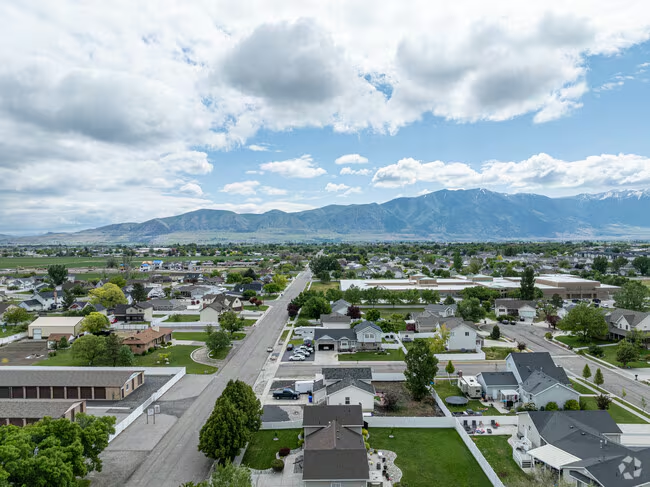
When water spreads across a basement floor or smoke settles into every room of a Tremonton home, the fastest path back to normal starts with a trained restoration crew. Professional response protects building materials, personal belongings, and indoor air quality before secondary problems take hold.
Sierra Restoration provides 24/7 cleanup, damage restoration, and reconstruction for Box Elder County property owners. Services cover the full range of losses homes and businesses face:
- Water Damage Restoration - extraction of standing water, structural drying, dehumidification, moisture mapping, and repairs
- Flooded Basement Cleanup - pump-outs, sump failure response, subfloor and framing drying, content removal
- Sewage Cleanup - removal of contaminated material, antimicrobial treatment, and sanitizing of affected surfaces
- Fire Damage Restoration - debris removal, soot cleaning, structural repairs, and content restoration
- Smoke Damage Restoration - odor elimination, HVAC cleaning, specialized surface treatments for lingering residue
- Mold Removal - containment, source correction, safe removal, and rebuild of affected assemblies
Key benefits Tremonton residents gain from a single restoration partner include one point of contact from mitigation through reconstruction, documentation that supports insurance claims, and technicians who handle both the cleanup and the rebuild without waiting on outside contractors. Water damage remediation in Tremonton should begin right away - the longer water sits, the more damage is done.
Common Damage Restoration Issues in Tremonton, Utah
Tremonton sits on the Bear River plain at the north end of the Salt Lake Valley basin, where irrigation canals, a shallow water table in low-lying areas, and hard winters combine to create predictable restoration calls.
Frequent Causes of Loss
- Frozen and burst supply lines in crawl spaces, garages, and exterior walls during January and February cold snaps
- Rapid snowmelt off the Wellsville and Malad ranges saturating soil and pushing groundwater into basements
- Sump pump failures during spring runoff, a leading cause of flooded basement calls
- Sewer backups when older lateral lines are overwhelmed or blocked by roots
- Water heater, washing machine, and dishwasher supply hose failures
- Kitchen fires, wood stove and fireplace incidents, and electrical faults in older wiring
- Agricultural and grass fires that push heavy smoke toward outlying properties
Warning Signs Worth Acting On
- Musty odors in basements, closets, or near baseboards - often the first indicator of hidden mold
- Cupping hardwood, bubbling paint, or staining on drywall seams
- Efflorescence or white chalky residue on foundation walls
- Gurgling floor drains or slow basement drains before a full sewage backup
- Smoke odor returning on humid days after a fire, signaling residue still trapped in porous materials
- Condensation on windows and elevated humidity in finished basements
Any of these signs is a reason to have moisture readings taken before repairs are attempted, since surface drying rarely reaches the framing and insulation underneath.
Neighborhoods We Serve in Tremonton
Crews respond throughout Tremonton and the surrounding Bear River Valley communities, covering older core neighborhoods as well as newer subdivisions on the benches.
- Downtown Tremonton and the Main Street commercial corridor
- Established residential blocks near Tremonton Elementary and Bear River High School
- Newer subdivisions on the north and west edges of town
- Rural properties and farmsteads along the Bear River bottoms
Service also extends across Box Elder County to Garland, Fielding, Deweyville, Honeyville, Collinston, Bear River City, Corinne, Brigham City, Mantua, and Willard. Agricultural outbuildings, rental properties, churches, schools, and small commercial buildings receive the same response as single-family homes. Being based nearby means equipment reaches most addresses quickly - a meaningful advantage when a sewage backup or an active leak is still spreading.
Seasonal Damage Patterns in Tremonton
Winter (December - February)
- Burst pipes during extended sub-freezing stretches and inversion cold
- Ice dams forcing meltwater under shingles and into ceilings
- Heating-related fires from furnaces, space heaters, and wood stoves
- Smoke damage from chimney and flue problems
Spring (March - May)
- Peak flooded basement season as snowmelt raises groundwater levels
- Sump pump overload and failure
- Sewage backups when saturated ground stresses drain systems
- Mold growth beginning in basements dried improperly over winter
Summer (June - August)
- Monsoon thunderstorms causing roof leaks and window well flooding
- Grass, field, and wildfire smoke infiltration through HVAC systems
- Air conditioning condensate line overflows
- Mold blooming in humid, unventilated crawl spaces
Fall (September - November)
- Irrigation shutoff and sprinkler blowout mistakes causing leaks
- Clogged gutters directing water against foundations
- First-of-season furnace and fireplace fires from unmaintained equipment
- Best window for mold inspections and preventive drainage work before winter
Housing Characteristics & Restoration Considerations
Tremonton's housing stock spans more than a century, and each era brings its own restoration challenges.
Pre-1950 Homes
- Stone, brick, and rubble foundations that wick moisture and complicate basement drying
- Lath-and-plaster walls that hold smoke residue deep in porous surfaces
- Balloon framing that lets fire, smoke, and water travel between floors
- Potential asbestos and lead-based materials requiring careful handling during demolition
Mid-Century Homes (1950s - 1980s)
- Poured or block basements with limited waterproofing and few interior drains
- Galvanized or early copper plumbing prone to pinhole leaks
- Cast iron sewer laterals vulnerable to root intrusion and backups
- Paneled and carpeted basement finishes that trap moisture against framing
Modern Construction (1990s - Present)
- Tight building envelopes that hold humidity and smoke odor indoors
- Engineered wood subfloors and I-joists that degrade quickly when saturated
- Finished basements with fiberglass insulation behind drywall - a common hidden mold site
- Complex HVAC systems that distribute soot and spores throughout the house
Rural properties add well systems, septic tanks, and detached shops to the equation. Restoration plans are custom-tailored to the structure: once the area is dried, cleaned, and sanitized, the rebuild may include repainting, re-carpeting, reinstalling fixtures, and replacing cabinetry or trim to match the original finishes.
Environmental Conditions & Damage Implications
Northern Box Elder County's semi-arid climate, heavy clay soils, and seasonal air quality swings all shape how damage develops and how it must be treated.
Climate Factors
- Cold winters with extended freezing periods that stress plumbing in unheated spaces
- Low outdoor humidity most of the year, which speeds drying but masks moisture trapped inside wall cavities
- Summer heat that accelerates mold colonization in damp, enclosed areas
- Winter inversions that trap smoke odor and particulates inside tightly sealed homes
Soil and Groundwater
- Clay-rich Bear River Valley soils that expand when wet and press against foundation walls
- Poor percolation, leaving water pooled near footings after storms and snowmelt
- Elevated water tables in low-lying areas near the river and irrigation canals
- Hydrostatic pressure driving seepage through cracks and cold joints in basements
Water Quality and Air Considerations
- Hard, mineral-heavy water that shortens the life of water heaters and supply valves
- Mineral scale contributing to slow leaks at fixtures and appliance connections
- Agricultural dust and seasonal wildfire smoke that load HVAC filters and worsen post-fire cleanup
- Category 3 sewage water carrying bacteria that require full antimicrobial treatment and removal of porous materials
Drying plans account for these conditions by combining air movement, dehumidification, and continuous moisture monitoring rather than relying on the region's dry air alone.
Emergency Response and the Restoration Process in the Bear River Valley
The hours immediately after a loss determine how much of a Tremonton home can be saved. Clean water can turn contaminated within roughly two days, and mold can begin colonizing damp drywall and framing in a similar window.
What Happens After the Call
- Immediate response - a crew is dispatched 24/7 to stop the source and make the property safe
- Inspection and moisture mapping - meters and thermal imaging locate water behind walls, under flooring, and in insulation
- Extraction and debris removal - standing water, sewage, soot, and unsalvageable materials are removed
- Structural drying - air movers and dehumidifiers run on a monitored schedule until materials reach dry standard
- Cleaning and sanitizing - antimicrobial application, soot removal, and odor elimination using specialized products
- Content restoration - salvageable furniture, textiles, documents, and keepsakes are cleaned and deodorized
- Reconstruction - drywall, flooring, paint, cabinetry, and fixtures returned to pre-loss condition
Steps Homeowners Can Take Before Crews Arrive
- Shut off the water main or affected supply valve when it is safe to do so
- Cut power to flooded rooms at the breaker panel
- Stay out of sewage-contaminated areas entirely
- Photograph damage and standing water for the insurance claim
- Move small valuables and electronics to a dry level of the home
- Avoid running HVAC after a fire, which spreads soot through the ductwork
Licensed, insured, and bonded technicians handle mitigation and reconstruction in-house, which shortens the timeline compared with companies that hand work off to independent contractors. Call 801-294-7452 for help. Giving back matters here too - supporting charitable organizations and investing time in the neighborhoods where our crews live and work.





