
Damage Restoration in Perry, UT
- Damage Restoration Services Overview
- Common Damage Restoration Issues in Perry, Utah
- Neighborhoods We Serve in Perry
- Seasonal Damage Patterns in Perry
- Housing Characteristics & Restoration Considerations
- Environmental Conditions & Damage Implications
- Emergency Response and Industry Standards for Perry Properties
Damage Restoration Services Overview
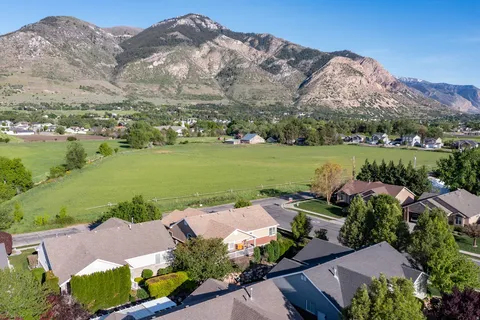
Perry sits at the base of the Wellsville Mountains, where spring snowmelt from canyons above Fruit Way can send water toward foundations faster than most homeowners expect. That mountain-fed runoff, combined with older irrigation canals threading through the fruit orchards, makes water intrusion one of the most frequent property emergencies in this corner of Box Elder County.
Restoration work in Perry covers a full range of property emergencies, each requiring different equipment, containment methods, and drying science:
- Water Damage Restoration - extraction, structural drying, and moisture mapping after supply line breaks, appliance failures, and roof leaks
- Flooded Basement - pump-out, sump system evaluation, and drying of below-grade framing, insulation, and flooring
- Sewage Cleanup - Category 3 contamination removal, antimicrobial treatment, and safe disposal of porous materials
- Fire Damage Restoration - debris removal, structural stabilization, soot cleaning, and reconstruction
- Smoke Damage Restoration - odor neutralization, HVAC decontamination, and cleaning of contents affected by residue
- Mold Removal - containment barriers, negative air pressure, HEPA filtration, and removal of colonized materials
Key benefits for Perry residents include faster drying that limits secondary mold growth, documentation that supports insurance claims, and restoration of contents like photos, documents, and electronics rather than automatic replacement.
Common Damage Restoration Issues in Perry, Utah
Perry's geography creates a specific damage profile. Homes near the bench catch runoff, while properties closer to US-89 and the Willard Bay flats sit on ground with a higher water table.
Local Causes of Property Damage
- Rapid spring snowmelt from Perry Canyon overwhelming window wells and foundation drains
- Irrigation ditch overflow and canal seepage near orchard properties
- Frozen and burst pipes in unheated crawl spaces during January cold snaps
- Aging clay or cast iron sewer laterals backing up into basement floor drains
- Water heater and washing machine hose failures in finished basements
- Wildfire smoke drifting into the valley and settling in HVAC systems
- Wood stove, fireplace, and kitchen grease fires during winter months
Warning Signs Worth Acting On
- Musty odors in basements or near baseboards, often the first indicator of hidden mold
- Discolored drywall, bubbling paint, or tape seams pulling away from ceilings
- Slow floor drains or gurgling toilets, which frequently precede a sewage backup
- Cupping or lifting laminate and hardwood planks
- Lingering smoke odor that returns when the furnace or air conditioner cycles
- Efflorescence - white chalky residue - on concrete foundation walls
- Unexplained spikes in the water bill pointing to a concealed supply leak
Acting on these signs early keeps a contained water loss from becoming a full mold remediation project.
Neighborhoods We Serve in Perry
Coverage extends across Perry and the surrounding Box Elder, Weber, and Cache Valley communities.
- Perry bench and foothill homes east of Highway 89 near 1200 West and the canyon trailheads
- Historic Perry along Main Street and the older orchard properties near Fruit Way
- Newer subdivisions west toward the wetlands and Willard Bay corridor
- Three Mile Creek and south Perry neighborhoods bordering Willard
- Brigham City - including Forest Street and the Sherwood Hills area just north
- Willard, Mantua, Honeyville, and Corinne in Box Elder County
- North Ogden, Pleasant View, and Farr West in Weber County
- Logan, Wellsville, Hyrum, and Providence across in Cache Valley
Commercial properties along the Highway 89 corridor - fruit stands, warehouses, and small offices - receive the same emergency response as residential clients.
Seasonal Damage Patterns in Perry
Winter (December - February)
- Burst pipes in crawl spaces, exterior walls, and vacant properties
- Ice dams on north-facing roof slopes pushing meltwater under shingles
- Peak season for fire and smoke damage from heating equipment, chimneys, and holiday cooking
Spring (March - May)
- Highest volume of flooded basement calls as canyon snowmelt saturates soil
- Sump pump failures during sustained runoff
- Sewage backups when saturated ground infiltrates older sewer lines
Summer (June - August)
- Mold growth accelerating in basements that were never fully dried after spring
- Air conditioning condensate line clogs causing ceiling and wall damage
- Wildfire smoke infiltration requiring HVAC cleaning and odor treatment
- Irrigation line breaks near foundations
Fall (September - November)
- Roof leaks from the first heavy rain revealing summer storm damage
- Outdoor spigots left uncapped, leading to early freeze breaks
- Furnace startup pushing accumulated dust, soot, and mold spores through ductwork
Housing Characteristics & Restoration Considerations
Perry's housing stock spans more than a century, from pioneer-era farmhouses along Main Street to subdivisions built in the last two decades. That range means no two restoration jobs look alike.
Older Homes (pre-1970)
- Plaster and lath walls that hold moisture longer than modern drywall and require specialized drying
- Galvanized supply lines and clay sewer laterals prone to corrosion, root intrusion, and backups
- Unfinished stone or block basements with limited waterproofing
- Potential asbestos in floor tile, mastic, and pipe wrap, requiring testing before demolition
- Knob-and-tube or early wiring that raises fire risk in walls and attics
Mid-Century and 1980s - 1990s Homes
- Finished basements with carpet, pad, and paneling - materials that fail quickly in water losses
- Original water heaters and polybutylene fittings nearing end of life
- Minimal vapor barriers in crawl spaces, encouraging mold under floor systems
Newer Construction
- Tighter building envelopes that trap humidity and hide moisture behind finishes
- Engineered wood flooring and MDF trim that swell rather than dry
- Multi-level layouts where an upstairs supply leak affects three floors before discovery
- Slab-adjacent framing where concrete cracking allows moisture to wick into walls
Restoration planning accounts for these differences - moisture meters and thermal imaging locate water behind plaster and engineered materials before any demolition begins.
Environmental Conditions & Damage Implications
Perry's semi-arid climate can be misleading. Low outdoor humidity does not prevent indoor moisture problems when water enters a below-grade space with limited airflow.
Climate Factors
- Cold winters with sustained sub-freezing stretches that freeze uninsulated plumbing
- Concentrated spring runoff compressing months of moisture into weeks
- Hot, dry summers that mask hidden moisture and delay leak discovery
- Winter inversions along the Wasatch Front trapping particulates and worsening smoke odor complaints
Soil and Groundwater
- Lake Bonneville lakebed clays west of Highway 89 that drain slowly and press water against foundation walls
- Rocky alluvial fan soils on the bench that channel runoff quickly toward homes below
- Seasonally high water table near the Willard Bay wetlands affecting sump performance
- Expansive clay movement that cracks foundations and creates seepage paths
Water and Air Quality
- Hard, mineral-rich culinary water that scales water heaters and shortens appliance life
- Mineral buildup in supply lines contributing to pinhole leaks
- Wildfire season particulates that load HVAC filters and deposit odor-carrying residue on soft goods
These conditions shape drying strategy - dehumidification targets, containment placement, and air scrubber sizing all shift based on soil moisture, outdoor dew point, and the season the loss occurs.
Emergency Response and Industry Standards for Perry Properties
Water loss follows a predictable timeline. Materials begin absorbing within minutes, mold colonies can establish within roughly 24 to 48 hours under the right conditions, and structural materials degrade the longer they stay saturated. Response speed matters more than almost any other factor.
The Restoration Process
- Emergency contact and dispatch - crews mobilize with extraction equipment, air movers, and dehumidifiers
- Inspection and moisture mapping - thermal imaging and penetrating meters define the affected area, including water that traveled behind walls
- Water extraction or debris removal - truck-mounted or portable extraction for water losses, controlled demolition for fire losses
- Containment and safety controls - negative air pressure and HEPA filtration for mold and sewage work
- Structural drying - equipment placement calculated to the affected volume, with daily moisture readings until materials reach dry standard
- Cleaning and deodorization - soot removal, antimicrobial application, duct cleaning, and hydroxyl or ozone treatment for smoke odor
- Reconstruction - drywall, flooring, paint, and cabinetry returning the property to pre-loss condition
Standards That Guide the Work
- IICRC S500 - the reference standard for professional water damage restoration and drying verification
- IICRC S520 - mold remediation containment, engineering controls, and clearance practices
- Water categorization - clean, gray, and black water each dictate different material salvage decisions, with sewage always treated as Category 3
- EPA guidance on mold containment and worker protection
What Perry Homeowners Should Do First
- Shut off the water main or, for fire losses, wait for clearance from the fire department
- Photograph everything before moving items - documentation supports the insurance claim
- Avoid entering standing water where electrical circuits may be live
- Keep off sewage-contaminated areas entirely until trained crews arrive with proper protection
- Move undamaged contents to a dry, conditioned space
Certified technicians document moisture readings throughout the drying process, which gives adjusters the evidence they need and gives homeowners confidence the structure is genuinely dry - not just dry to the touch.





