
Damage Restoration in Brigham City, UT
- Damage Restoration Services Overview
- Common Damage Restoration Issues in Brigham City, Utah
- Neighborhoods We Serve in Brigham City
- Seasonal Damage Patterns in Brigham City
- Housing Characteristics & Restoration Considerations
- Environmental Conditions & Damage Implications
- The 24-Hour Window: Why Immediate Response Matters in Box Elder County
Damage Restoration Services Overview
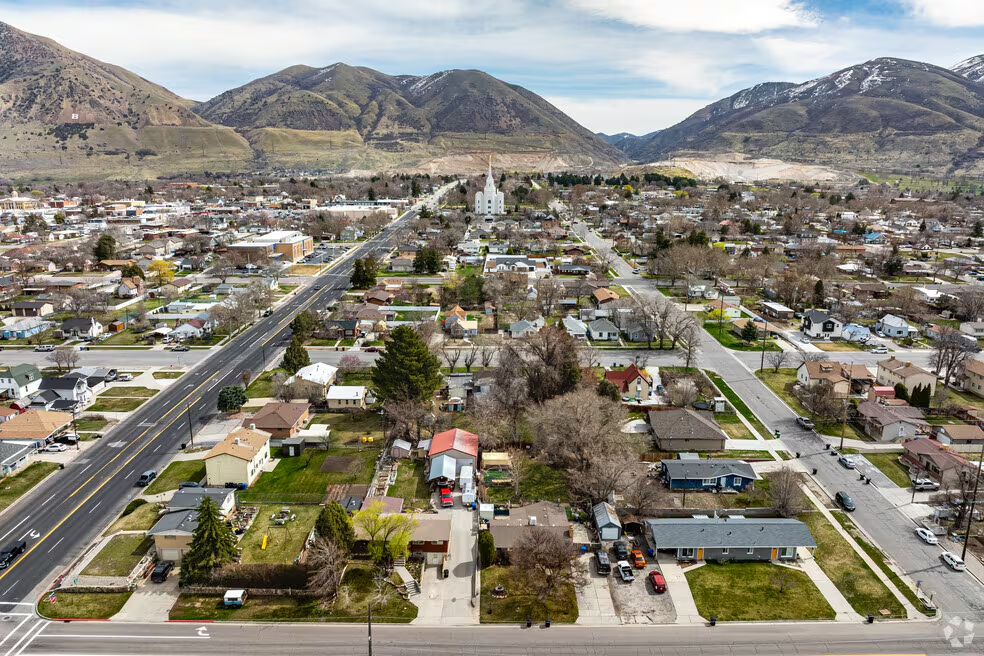
Brigham City sits at the base of the Wellsville and Wasatch mountains, where spring snowmelt, aging clay sewer laterals, and dry canyon winds create a distinct mix of property damage risks. Homes here face sudden basement flooding one month and wildfire smoke infiltration the next.
Restoration work in Box Elder County calls for equipment and technique matched to those conditions - not a one-size-fits-all approach.
Services Available Across Brigham City
- Water Damage Restoration - extraction, structural drying, moisture mapping, and monitoring after burst pipes, appliance failures, and roof leaks
- Flooded Basement Cleanup - sump pump failures, foundation seepage, window well overflow, and irrigation backflow
- Sewage Cleanup - Category 3 contamination removal, disinfection, and safe disposal of porous materials
- Fire Damage Restoration - debris removal, structural repairs, content pack-out and restoration
- Smoke Damage Restoration - soot removal, thermal fogging, odor neutralization, and HVAC cleaning
- Mold Removal - containment, air scrubbing, affected material removal, and moisture source correction
What Local Homeowners Gain
- Rapid response that limits secondary damage and mold growth
- Free estimates and wet checks before work begins
- Owner-involved oversight, with Jess Herbert of HSL Restoration on-site
- Direct insurance claim assistance and documentation
- Repairs that return the property to pre-loss condition
Common Damage Restoration Issues in Brigham City, Utah
Local geography drives most losses. Water runs off the Wasatch Front quickly, and Brigham City's older gravity-fed sewer sections plus high spring groundwater put basements at risk every year.
Frequent Causes of Damage
- Frozen and burst supply lines in uninsulated crawl spaces and garage walls
- Snowmelt and heavy rain pushing water through foundation cracks and window wells
- Sump pump failure during power outages from canyon wind events
- Sewer line backups caused by root intrusion in mature-tree neighborhoods
- Water heater and washing machine hose failures in finished basements
- Kitchen fires, chimney fires, and wildfire smoke drifting in from nearby foothills
- Hidden mold behind drywall following slow, unnoticed leaks
Warning Signs Worth Acting On
- Musty odors that intensify when the furnace or swamp cooler runs
- Cupping hardwood, bubbling paint, or dark staining along baseboards
- Efflorescence - white chalky residue - on basement foundation walls
- Gurgling floor drains or slow-draining fixtures on the lowest level
- Yellowed ceilings, sticky residue on windows, or lingering smoke odor weeks after a fire
- Unexplained increases in humidity or condensation on interior windows
Small signs escalate fast. A damp subfloor can support mold colonization within a couple of days, and sewage contamination spreads bacteria through porous materials almost immediately.
Neighborhoods We Serve in Brigham City
Service covers Brigham City proper and the surrounding Box Elder County communities, including rural properties on private wells and septic systems.
- Downtown & Historic Main Street - older brick homes and commercial storefronts
- East Bench neighborhoods - hillside properties near the foothills and Mantua Road
- West Brigham - newer subdivisions near Forest Street and the industrial corridor
- Perry and Willard - orchard-adjacent homes with high water tables
- Mantua - canyon properties with heavy snow loads
- Corinne, Honeyville, Deweyville, and Tremonton - agricultural and rural residences
- Bear River City and Elwood - properties near irrigation canals and floodplains
Coverage also extends north toward Southern Idaho and south through Box Elder County, so remote farmsteads and outlying properties receive the same response standard as in-town addresses.
Seasonal Damage Patterns in Brigham City
Winter (December - February)
- Frozen and burst pipes during cold snaps and inversion periods
- Ice dams forcing meltwater under shingles and into attic insulation
- Heating-related fires from furnaces, space heaters, and wood stoves
- Smoke damage compounded by sealed, poorly ventilated interiors
Spring (March - May)
- Peak season for flooded basements as mountain snowmelt raises groundwater
- Sump pump overload and window well flooding during rain-on-snow events
- Sewer backups when saturated soils stress older laterals
- Mold growth beginning in basements that were never fully dried
Summer (June - August)
- Monsoon downpours causing flash runoff and roof leaks
- Irrigation and sprinkler line breaks near foundations
- Wildfire smoke intrusion through HVAC systems and open windows
- Air conditioning condensate line clogs feeding hidden mold
Fall (September - November)
- Canyon wind events downing limbs and damaging roofing
- First freeze catching unwinterized hose bibs and sprinkler lines
- Chimney and flue fires as wood heat returns
- Ideal window for moisture inspections before winter sets in
Housing Characteristics & Restoration Considerations
Brigham City's housing stock spans more than a century. Historic homes near Main Street sit alongside mid-century ranches and newer post-2000 subdivisions on the west side, and each construction era responds differently to water, fire, and mold.
Common Construction Types
- Pre-1940 brick and stone homes - lath-and-plaster walls, unfinished stone or block basements, balloon framing that lets smoke and fire travel vertically
- 1950s - 1970s ranches - concrete block foundations, finished basements added later without vapor barriers, original cast iron or clay sewer lines
- 1980s - 1990s split-levels - partially below-grade living space vulnerable to seepage
- 2000s and newer builds - tighter envelopes that trap moisture and hold smoke odor longer
How Age Shapes the Restoration Approach
- Plaster dries at a different rate than drywall and needs longer monitored drying
- Older homes may contain asbestos-backed flooring or textured ceilings requiring testing before demolition
- Knob-and-tube or aged wiring calls for careful power isolation during extraction
- Finished basements with carpet over concrete trap moisture and often hide mold under the pad
- Clay sewer laterals with root intrusion make sewage cleanup a repeat issue until the line is repaired
- Crawl spaces with exposed dirt floors need vapor barrier upgrades after any water event
Documenting materials and moisture readings room by room supports accurate insurance claims and prevents rebuilt walls from concealing lingering dampness.
Environmental Conditions & Damage Implications
Brigham City's semi-arid climate misleads people into thinking mold is not a concern. Indoor humidity behaves very differently from outdoor readings, especially in below-grade spaces.
Climate Factors
- Cold winters with sustained sub-freezing stretches that stress plumbing
- Hot, dry summers that make wood shrink and joints separate
- Winter inversions that trap particulates and hold smoke odor indoors
- Wildfire seasons pushing fine soot into attics and duct systems
Soil, Water, and Groundwater
- Alluvial fan soils along the bench drain quickly but channel runoff toward foundations
- Heavier clay and lakebed soils west toward the Great Salt Lake hold water against basement walls
- Elevated spring water tables push hydrostatic pressure through cracks and cold joints
- Hard, mineral-rich culinary water accelerates corrosion in older galvanized supply lines
- Irrigation canals and agricultural ditches raise localized flood risk in outlying areas
Implications for Restoration Work
- Dry outdoor air helps drying but demands controlled dehumidification to avoid over-drying wood
- Mold colonies flourish in cool basements even when regional humidity is low
- Sewage events in clay soils require thorough disinfection because contaminated water lingers
- Soot in a dry climate becomes airborne easily, so containment and HEPA filtration matter
- Post-fire odor removal must address duct systems, insulation, and porous contents together
The 24-Hour Window: Why Immediate Response Matters in Box Elder County
The first day after a loss determines how much of a home can be saved. Water migrates through drywall, subfloor, and framing within hours, and mold spores begin colonizing damp organic material shortly after.
What Happens During a Rapid Response
- Free wet check and assessment - moisture meters and thermal imaging map the full extent of migration, including areas behind cabinets and under flooring
- Source control - shutting off water, isolating the sewer line, or securing fire-damaged structure
- Extraction - truck-mounted and portable units remove standing water from basements and crawl spaces
- Containment - poly barriers and negative air machines keep soot, spores, and sewage aerosols from spreading
- Structural drying - air movers and dehumidifiers placed by calculation, then monitored with daily documented readings
- Cleaning and disinfection - antimicrobial application for water and sewage losses, soot removal and odor treatment for fire losses
- Reconstruction - drywall, flooring, trim, and paint restoring the space to pre-loss condition
Details That Get Missed Without Careful Work
- Moisture wicking up wall cavities well above the visible water line
- Wet insulation left inside walls, which slows drying and feeds mold
- Soot residue inside HVAC ductwork that reintroduces odor after cleaning
- Contaminated subfloor under vinyl in sewage losses, where surface cleaning is not enough
- Sill plates and rim joists in crawl spaces that hold moisture long after floors feel dry
Insurance Documentation
- Photo and video records taken before any material is removed
- Daily moisture logs supporting the drying timeline
- Itemized scope written in language adjusters recognize
- Direct communication with the carrier so homeowners are not left mediating
Having the owner on-site keeps accountability clear from the first call through final walkthrough.





