
Damage Restoration in Ammon, ID
- Damage Restoration Services Overview
- Common Damage Restoration Issues in Ammon, Idaho
- Neighborhoods We Serve in Ammon
- Seasonal Damage Patterns in Ammon
- Seasonal Damage Patterns in Ammon
- Housing Characteristics & Restoration Considerations
- Environmental Conditions & Damage Implications
- Emergency Response and Insurance Documentation for Ammon Property Owners
Damage Restoration Services Overview
Damage spreads on a clock, not a calendar. Water migrates through drywall and subfloor within hours, smoke residues become acidic and start etching metal and glass overnight, and mold colonies can establish in a damp Ammon crawl space in a matter of days. Fast response protects both the structure and the contents inside it.
Ammon homeowners and business owners have access to a full range of emergency and reconstruction services, available around the clock:
- Water Damage Restoration - extraction, structural drying, dehumidification, and moisture mapping after supply line breaks, appliance failures, and roof leaks.
- Flooded Basement - pump-out, sump failure response, saturated insulation and drywall removal, and below-grade drying.
- Sewage Cleanup - Category 3 water removal, contaminated material disposal, antimicrobial treatment, and disinfection of affected surfaces.
- Fire Damage Restoration - board-up and roof tarp-over, debris removal, structural cleaning, and rebuild coordination.
- Smoke Damage Restoration - soot removal, thermal fogging, HVAC cleaning, and odor neutralization.
- Mold Removal - containment, HEPA filtration, controlled removal of colonized materials, and moisture-source correction.
Crews serving Ammon also cover Idaho Falls, Iona, Ucon, Rigby, Shelley, and the wider Bonneville County area, which means arrival times stay short when minutes matter. Documentation for insurance claims is handled alongside the physical work.
Common Damage Restoration Issues in Ammon, Idaho
Ammon's high-desert climate combined with hard freezes and irrigation-season groundwater creates a distinct damage profile. The same conditions that keep summers dry make winter pipe failures and spring basement seepage the two most frequent emergency calls.
Frequent Causes
- Frozen and burst pipes - lines in unheated garages, crawl spaces, and exterior walls fail during January and February cold snaps.
- Sump pump failure - power outages during spring storms leave below-grade rooms exposed.
- Sewer backups - root intrusion in older laterals and heavy-flow events push contaminated water into floor drains and basement bathrooms.
- Water heater and washing machine failures - hard water in eastern Idaho shortens the life of tanks and supply hoses.
- Kitchen and heating-related fires - wood stoves, space heaters, and furnace issues concentrate in the winter months.
- Wildfire and agricultural smoke intrusion - late-summer smoke enters through HVAC systems and settles on soft goods.
Warning Signs Worth Acting On
- Musty odor near stairwells, closets, or crawl space hatches
- Efflorescence, staining, or bubbling paint on foundation walls
- Flooring that feels soft, cups at the seams, or lifts at the edges
- Sluggish floor drains or gurgling from lower-level fixtures
- Persistent smoke odor that returns when the furnace or A/C cycles on
- Unexplained increases in water use with no visible leak
Any of these signs indicates moisture that has already been present long enough to affect materials, so early inspection usually reduces the scope of removal work.
Neighborhoods We Serve in Ammon
Coverage spans the full city footprint and the surrounding communities that share the same weather, soil, and utility conditions.
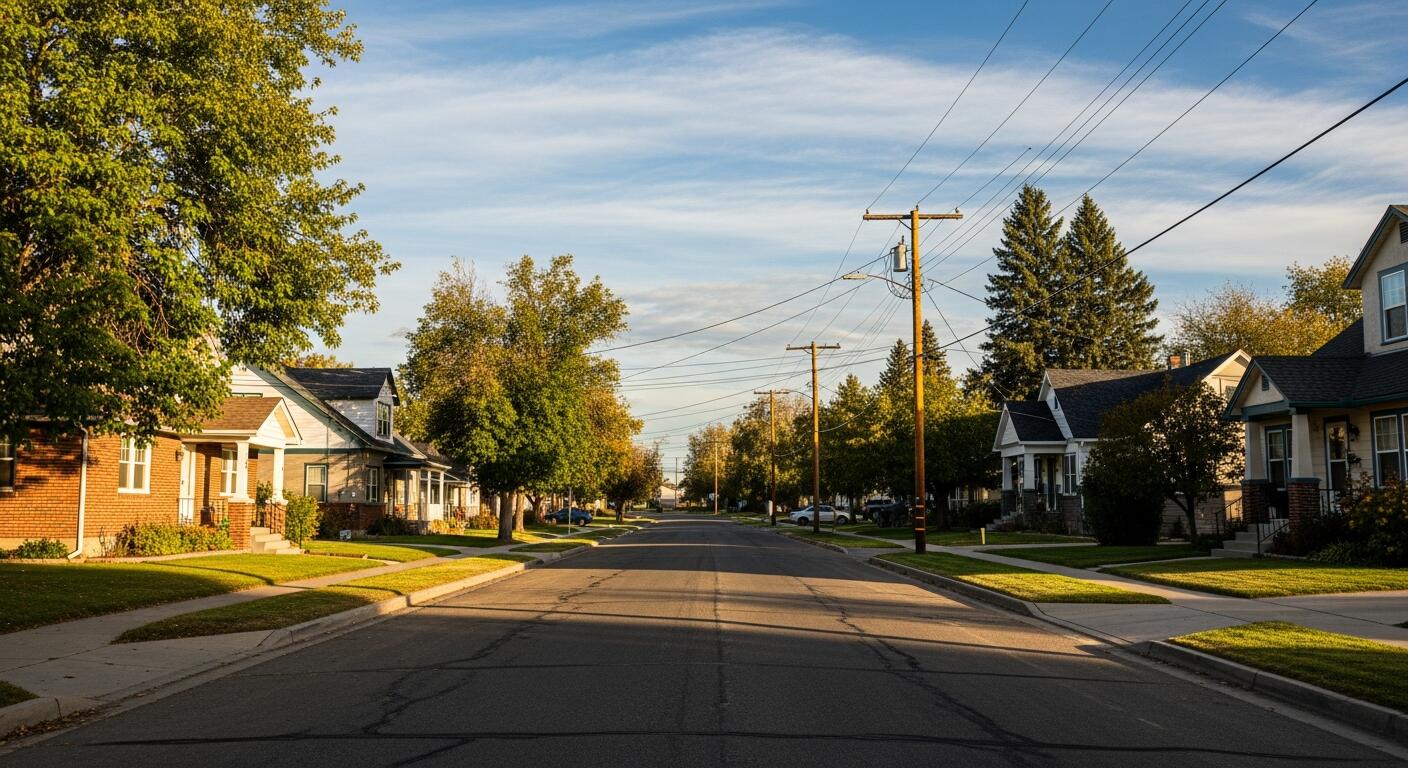
- Central and older Ammon - established streets near Ammon Road and Sunnyside Road with mature landscaping and aging service lines.
- Eastern Ammon subdivisions - newer developments near Sand Creek and along the Hitt Road corridor.
- Foothills and Ammon townsite edges - homes with walk-out basements and steeper lot grading.
- Commercial districts - retail, office, restaurant, and light industrial properties near 17th Street and Hitt Road.
Service also extends to Idaho Falls, Iona, Ucon, Rigby, Ririe, Shelley, Lewisville, Menan, Roberts, Firth, Blackfoot, Rexburg, Sugar City, Hamer, Terreton, Fort Hall, Pingree, Pocatello, Inkom, McCammon, Bancroft, and Atomic City. Multi-community coverage keeps trucks, extractors, air movers, and dehumidifiers positioned close enough to reach Ammon addresses quickly at any hour.
Seasonal Damage Patterns in Ammon
Seasonal Damage Patterns in Ammon
Each season in eastern Idaho brings a predictable shift in the type of restoration work needed.
- December through February - peak season for frozen pipe breaks, ice dam leaks at roof edges, and heating-related fire and smoke damage. Vacant or vacation-empty homes see the largest losses.
- March through May - snowmelt and rising groundwater drive flooded basement calls, foundation seepage, sump pump overload, and the first wave of mold growth from winter moisture left untreated.
- June through August - irrigation runoff, sprinkler line breaks, and thunderstorm downbursts cause water intrusion. Air conditioning condensate lines clog and drip into ceilings. Late summer brings regional wildfire smoke odor.
- September through November - sewer backups increase as tree roots seek moisture, first freezes catch unwinterized hose bibs, and wood stove and fireplace startup produces smoke and soot events.
Preventive Timing
- Schedule crawl space and basement moisture checks in April, after runoff peaks
- Have sewer laterals inspected in early fall before root growth slows
- Insulate exposed plumbing and disconnect hoses before Thanksgiving
- Clean chimneys and service furnaces ahead of the first hard freeze
Housing Characteristics & Restoration Considerations
Ammon's housing stock spans roughly six decades, and construction era dictates almost every restoration decision made on site. The city grew rapidly from the 1970s onward, with heavy expansion during the 1990s and 2000s and continued new construction today.
How Building Age Shapes the Work
- Pre-1980 homes - block or poured foundations with limited waterproofing, galvanized or early copper supply lines, and potential asbestos in floor tile, mastic, and textured coatings. Testing precedes removal.
- 1980s and 1990s homes - finished basements with carpet, pad, and paneling over framed walls. These assemblies hold water and often require controlled removal rather than surface drying.
- 2000s and newer homes - tighter building envelopes and higher insulation levels. Less air exchange means moisture and smoke odors linger longer, and drying requires carefully balanced dehumidification.
Common Structural Factors
- Full and daylight basements - standard across Ammon, making flooded basement response one of the most requested services.
- Vented crawl spaces - prone to elevated humidity and hidden mold on floor joists and subfloor.
- Attached garages - a frequent origin point for both freeze breaks and fires.
- Vinyl siding and OSB sheathing - trap water behind the wall when flashing fails.
- Forced-air HVAC - distributes smoke residue and mold spores throughout the home, so duct cleaning is often part of the scope.
Documenting materials before removal supports accurate insurance claims and a rebuild that matches the original finishes.
Environmental Conditions & Damage Implications
Ammon sits above 4,700 feet in a semi-arid climate, and that elevation influences how quickly materials dry and how contaminants behave indoors. Low outdoor humidity helps drying, but it also masks moisture trapped inside wall cavities.
Climate Factors
- Wide temperature swings - freeze-thaw cycling opens foundation cracks and stresses plumbing joints.
- Low ambient humidity - surfaces feel dry while framing and insulation remain saturated, which is why meter readings guide equipment placement rather than touch tests.
- Heavy snowpack in the surrounding range - drives spring groundwater levels near the Snake River plain.
- Summer smoke events - regional wildfires raise particulate levels and deposit odor-carrying residue indoors.
Soil and Water Conditions
- Volcanic and basalt-influenced soils - shallow bedrock limits drainage and pushes water laterally toward foundations.
- Silty loam topsoil - retains irrigation moisture against basement walls through the growing season.
- High mineral content water - scale accelerates water heater and valve failure, and leaves staining that requires specialized cleaning after a loss.
- Seasonal irrigation canals and laterals - raise the local water table from spring through late summer.
These conditions matter for every service line. Mold removal has to include a moisture-source fix or growth returns. Sewage cleanup must account for porous concrete that absorbs contaminants. Smoke damage restoration in a tight, low-humidity home benefits from HEPA filtration and hydroxyl or ozone treatment rather than surface wiping alone.
Emergency Response and Insurance Documentation for Ammon Property Owners
The first six hours after a loss shape the entire outcome. Crews based in the Idaho Falls and Ammon area respond 24/7, and that proximity is what makes same-day extraction and stabilization realistic rather than aspirational.
What Happens on a Typical Emergency Call
- Intake and dispatch - the situation is triaged by phone, safety hazards are identified, and shutoff guidance is given while a crew is en route.
- Site assessment - moisture meters, thermal imaging, and hygrometers map the affected area, including spaces that look untouched.
- Emergency stabilization - board-up and roof tarp-over after fire or storm damage, water shutoff, and power isolation where needed.
- Extraction and removal - standing water is pumped and extracted; unsalvageable carpet, pad, insulation, and drywall are removed and documented.
- Cleaning and decontamination - antimicrobial application for sewage losses, soot removal and odor treatment for fire and smoke events.
- Drying and monitoring - air movers and dehumidifiers run with daily readings logged until materials return to target moisture content.
- Reconstruction - drywall, paint, flooring, trim, and cabinetry restored to pre-loss condition.
Working With Your Insurer
- Photo and video documentation captured before any material is removed
- Daily moisture logs and equipment records that support the drying scope
- Detailed contents inventories for fire and smoke losses
- Direct communication with adjusters familiar with Bonneville County claims
- Clear separation of covered mitigation work and any pre-existing conditions found on site
Local crews know which Ammon subdivisions sit on shallow bedrock, which older neighborhoods have root-compromised sewer laterals, and how quickly a January freeze can turn a small drip into a full-basement loss. That familiarity shortens diagnosis and gets drying equipment into the right rooms on the first visit.





