
Damage Restoration in Pocatello, ID
- Damage Restoration Services Overview
- Common Damage Restoration Issues in Pocatello, Idaho
- Neighborhoods We Serve in Pocatello
- Seasonal Damage Patterns in Pocatello
- Housing Characteristics & Restoration Considerations
- Environmental Conditions & Damage Implications
- Basement Flooding and Sewer Backups in the Portneuf Valley
Damage Restoration Services Overview
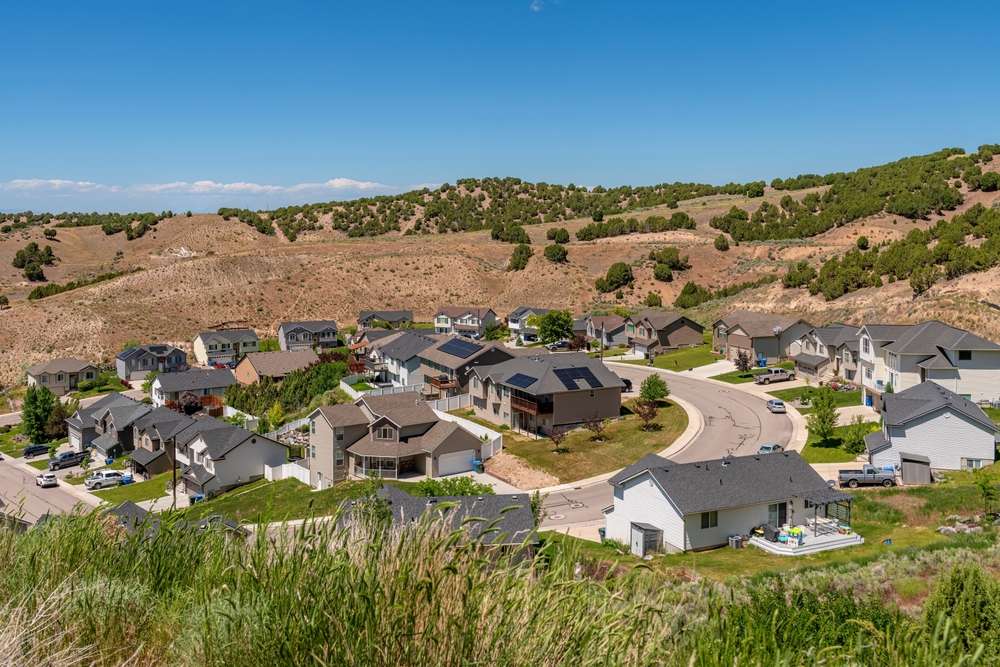
Water that sits for a weekend does not simply dry out on its own. It wicks into framing, saturates insulation, feeds mold colonies behind drywall, and quietly weakens subfloors until seams lift and cabinets swell. Smoke residue is just as unforgiving - acidic soot etches glass, corrodes metal fixtures, and permanently bonds to porous surfaces the longer it stays untreated. In Pocatello, where freeze-thaw cycles and spring runoff put steady pressure on older foundations, the cost of waiting almost always exceeds the cost of responding quickly.
Restoration in Bannock County covers a connected set of services, and most jobs involve more than one:
- Water damage restoration - extraction, structural drying, moisture mapping, and documentation for insurance
- Flooded basement cleanup - pump-out, sump and drainage evaluation, contents handling, and dehumidification
- Sewage cleanup - containment of Category 3 contamination, removal of porous materials, and antimicrobial treatment
- Fire damage restoration - debris removal, structural stabilization, and controlled reconstruction
- Smoke damage restoration - soot removal, HVAC cleaning, thermal fogging, and odor neutralization
- Mold removal - containment barriers, HEPA filtration, affected material removal, and moisture-source correction
The benefit for homeowners and business owners is straightforward: a documented process, a smaller repair footprint, and a building that is genuinely dry rather than dry to the touch.
Common Damage Restoration Issues in Pocatello, Idaho
Pocatello's high-desert climate looks dry on paper, but the local conditions that drive restoration calls are very real. Elevation near 4,400 feet means hard winters, deep frost lines, and rapid temperature swings that stress plumbing and building envelopes.
Local Causes We See Repeatedly
- Frozen and burst supply lines in crawl spaces, garages, and unheated exterior walls
- Spring snowmelt off the Bannock Range overwhelming window wells and foundation drains
- Aging clay or cast-iron sewer laterals in older neighborhoods backing up into basements
- Failed water heaters and washing machine hoses in finished basement laundry rooms
- Wind-driven rain and hail damaging roofs and siding, creating hidden attic moisture
- Kitchen fires, chimney and wood-stove fires, and regional wildfire smoke infiltration
Warning Signs Worth Acting On
- Musty or earthy odors that intensify in closed rooms or after running the furnace
- Soft spots in walls, ceilings, or around tub and shower surrounds
- Bubbling, peeling, or blistering paint
- Warped hardwood, cupping planks, or raised floor seams
- Discolored or shadowed drywall, especially along baseboards
- Unexplained humidity increases, condensation on windows, or a clammy basement
- Lingering smoke odor that returns on humid days after a small fire
Any one of these justifies a professional moisture assessment. Archer Restoration can be reached at 208-909-8912 for evaluation of residential or commercial properties throughout Pocatello and Bannock County.
Neighborhoods We Serve in Pocatello
Response coverage extends across the city and the surrounding communities of southeast Idaho:
- Historic Old Town and the Downtown core - century-old brick commercial buildings and early residences with original plumbing
- North Pocatello and Alameda - mid-century homes with full basements and mature trees over sewer lines
- Highland and the East Bench - hillside lots where runoff channels toward foundations
- Johnny Creek and Mink Creek corridor - properties near drainage paths and canyon flow
- Century, Tyhee, and the Yellowstone Avenue corridor - newer subdivisions and slab-on-grade construction
- Chubbuck - dense residential growth with finished basements
Beyond city limits, crews reach Inkom, McCammon, Arimo, Lava Hot Springs, American Falls, Blackfoot, and the Fort Hall area. Being locally owned means technicians already know which streets flood, which subdivisions share aging sewer infrastructure, and how to reach a property quickly during a January storm.
Seasonal Damage Patterns in Pocatello
Restoration demand in Bannock County follows a predictable rhythm, which helps homeowners plan preventive maintenance.
- December through February - Peak season for frozen and burst pipes, ice dams along north-facing eaves, and flooded basements from failures in unheated spaces. Furnace, fireplace, and space-heater fires spike alongside smoke damage claims.
- March through May - Snowmelt combines with saturated, still-frozen ground. Foundation seepage, window-well intrusion, sump pump overload, and sewer backups dominate. Mold growth begins accelerating in basements that were wet all winter.
- June through August - Thunderstorms bring hail, wind damage, and roof leaks. Air conditioning condensate line clogs and irrigation-related crawl space moisture appear. Wildfire smoke can permeate homes across the valley.
- September through November - Prime window for mold discovery as heating systems circulate spores from summer moisture. First freezes catch unwinterized hose bibs and sprinkler lines. Chimney and wood-stove fires begin as heating season starts.
Scheduling a moisture assessment in late spring or early fall catches problems before the next extreme season compounds them.
Housing Characteristics & Restoration Considerations
Pocatello's housing stock spans well over a century, and each era brings distinct restoration challenges. A large share of homes predate 1980, with substantial inventory built between 1900 and 1960 in the Old Town, Alameda, and North Side areas.
How Construction Age Shapes the Work
- Pre-1940 homes - Lath and plaster walls hold water far longer than drywall and require careful drying rather than immediate demolition. Galvanized supply lines and clay sewer laterals raise the risk of both clean-water leaks and Category 3 sewage events.
- 1940s-1970s homes - Unfinished or partially finished basements, block foundations, and limited perimeter drainage make basement flooding common. Asbestos-containing floor tile and mastic may require testing before removal.
- 1980s-2000s homes - Finished basements with carpet, paneling, and drop ceilings hide moisture. Polybutylene and early plastic fittings fail without warning.
- Newer construction - Tight building envelopes and slab-on-grade floors trap humidity, and engineered wood products swell irreversibly once saturated.
Practical Implications
- Crawl spaces under older homes need dedicated dehumidification and vapor barrier evaluation
- Balloon-framed walls let smoke and water travel between floors through open cavities
- Original hardwood may be salvageable with mat drying if addressed quickly
- Knob-and-tube or outdated wiring affects safety sequencing after fire and water events
- Commercial brick buildings downtown require masonry-specific soot cleaning methods
Drying and mitigation generally runs three to seven days depending on moisture intrusion, with reconstruction scoped after the initial assessment.
Environmental Conditions & Damage Implications
The Portneuf Valley creates a specific set of environmental pressures that influence how damage develops and how it must be treated.
Climate and Air
- Low ambient humidity encourages a false sense of security - materials feel dry while cavities stay saturated
- Winter temperature inversions trap particulates in the valley, worsening indoor air quality after fire or smoke events
- Regional wildfire seasons push fine smoke particles into HVAC systems and soft furnishings
- Wide daily temperature swings drive condensation inside wall assemblies and attics
Water and Soil
- Hard, mineral-rich water accelerates scaling and pinhole leaks in aging supply lines and water heaters
- Volcanic and alluvial soils with clay lenses hold runoff against foundations rather than draining freely
- Frost depth pushes and shifts foundation walls, opening hairline cracks that admit snowmelt
- Proximity to the Portneuf River and irrigation canals raises groundwater during peak runoff
What This Means for Restoration
Because low outdoor humidity masks trapped moisture, thermal imaging and penetrating meters matter more here than in wetter climates. Mold remediation must correct the underlying source - a cracked foundation wall or an uncontrolled crawl space - or the colony returns the following spring. Smoke and soot cleanup requires HEPA filtration and duct cleaning to prevent recontamination once heating season restarts. Sewage events in areas with older laterals demand full containment and removal of porous materials rather than surface disinfection.
Basement Flooding and Sewer Backups in the Portneuf Valley
Basements are the heart of most Pocatello homes - laundry, storage, family rooms, sometimes bedrooms. They are also the lowest point in the drainage system, which makes them the first place damage shows up. Spring runoff from the Bannock Range and West Bench arrives fast, and when the ground is still frozen, that water travels sideways along the frost line until it meets a foundation wall.
Why Local Backups Happen
- Original clay laterals in older neighborhoods crack and take on root intrusion
- Heavy runoff surcharges older combined portions of municipal infrastructure
- Sump pumps sized for normal conditions fail during peak melt or lose power in storms
- Floor drains without backflow prevention become the entry point for sewage
- Downspouts and grading that direct water toward the foundation instead of away
How a Local Crew Responds
- Assess for electrical hazards and confirm whether the water is clean, gray, or sewage-contaminated
- Extract standing water and remove unsalvageable porous materials under containment
- Clean and apply antimicrobial treatment to all affected structural surfaces
- Set air movers and dehumidifiers, then monitor readings daily until drying goals are met
- Identify and document the source so the same failure does not repeat next spring
- Coordinate scope and photo documentation directly with the insurance adjuster
The Local Advantage
A locally owned crew based in Bannock County knows which neighborhoods have aging sewer lines, which hillsides shed water toward basements, and how quickly a January pipe break can freeze again inside a wall. Homeowners keep the right to choose their restoration company regardless of what an insurer suggests. Choosing a Pocatello-based team means faster arrival, familiar building types, and technicians who treat every home the way they would treat their own.





