
Damage Restoration in Grosse Pointe, MI
- Damage Restoration Services Overview
- Common Damage Restoration Issues in Grosse Pointe, Michigan
- Neighborhoods We Serve in Grosse Pointe
- Seasonal Damage Patterns in Grosse Pointe
- Housing Characteristics & Restoration Considerations
- Environmental Conditions & Damage Implications
- Historic Preservation and Modern Restoration Techniques
Damage Restoration Services Overview
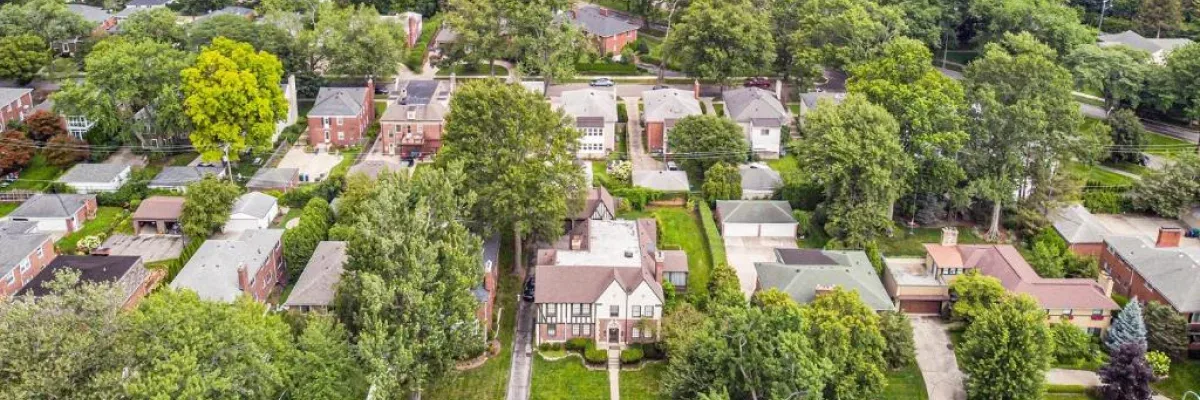
When disaster strikes your Grosse Pointe property, immediate action prevents minor damage from becoming major catastrophe. Professional restoration services address the full spectrum of property damage that can affect homes and businesses throughout Southeast Michigan.
Our comprehensive damage restoration services include:
- Water Damage Restoration - Extracting standing water, drying affected areas, and preventing secondary damage
- Flooded Basement - Specialized basement water removal and structural drying techniques
- Sewage Cleanup - Safe removal and sanitization of contaminated water and materials
- Fire Damage Restoration - Structural repairs, debris removal, and property reconstruction
- Smoke Damage Restoration - Odor elimination, soot removal, and air quality restoration
- Mold Removal - Complete remediation and prevention of future mold growth
Each service requires specialized equipment, trained technicians, and proven protocols to restore your property safely and effectively. Quick response minimizes damage spread, reduces restoration costs, and gets your life back to normal faster.
Common Damage Restoration Issues in Grosse Pointe, Michigan
Grosse Pointe's location along Lake St. Clair creates unique challenges for property owners. The area's proximity to water combined with aging infrastructure contributes to specific damage patterns requiring professional restoration services.
Frequent water damage issues include:
- Lake effect storms causing basement flooding and foundation seepage
- Burst pipes during harsh winter freezes affecting older homes
- Storm surge from Lake St. Clair overwhelming drainage systems
- Sump pump failures during heavy spring rainfall
- Ice dam formation leading to roof leaks and water intrusion
Fire and smoke damage commonly results from:
- Electrical issues in vintage wiring systems
- Fireplace and chimney malfunctions in historic homes
- Kitchen fires spreading through older construction materials
- Heating system failures during peak winter usage
Mold problems frequently develop due to:
- High humidity levels from lake proximity
- Poor ventilation in older home designs
- Hidden moisture in basement foundations
- Delayed water damage discovery in seasonal properties
Sewage backups occur when aging municipal systems become overwhelmed during heavy precipitation events, requiring immediate professional cleanup to prevent health hazards.
Neighborhoods We Serve in Grosse Pointe
Our restoration services cover all Grosse Pointe communities and surrounding areas throughout Wayne County. We respond quickly to properties in these key neighborhoods:
- Grosse Pointe Park - Historic homes near the Detroit River
- Grosse Pointe City - Lakefront properties and established residential areas
- Grosse Pointe Farms - Luxury estates and waterfront communities
- Grosse Pointe Woods - Mid-century homes and family neighborhoods
- Grosse Pointe Shores - Exclusive lakefront properties
We also serve adjacent communities including:
- Harper Woods
- St. Clair Shores
- Eastpointe
- Detroit's east side
Our local presence means faster response times and deep understanding of area-specific challenges affecting property restoration needs.
Seasonal Damage Patterns in Grosse Pointe
Grosse Pointe experiences distinct seasonal damage patterns requiring different restoration approaches throughout the year.
Winter (December - February):
- Frozen pipe bursts requiring immediate water damage restoration
- Ice dam formation causing roof leaks and interior flooding
- Heating system fires and carbon monoxide issues
- Basement flooding from snowmelt infiltration
Spring (March - May):
- Heavy rainfall overwhelming basement waterproofing systems
- Rapid snowmelt causing foundation seepage
- Storm damage from severe weather systems
- Mold growth from winter moisture accumulation
Summer (June - August):
- Severe thunderstorms causing water and wind damage
- Air conditioning failures leading to humidity and mold issues
- Lightning strikes resulting in electrical fires
- Sewer backups during heavy summer storms
Fall (September - November):
- Leaf accumulation blocking drainage systems
- Early freeze events causing pipe damage
- Chimney and fireplace preparation fires
- Storm preparation revealing hidden damage
Housing Characteristics & Restoration Considerations
Grosse Pointe's housing stock presents unique restoration challenges due to the area's architectural heritage and construction methods. Understanding these characteristics helps determine appropriate restoration approaches for each property type.
Historic home considerations include:
- Pre-1940s construction - Original plaster walls, hardwood floors, and vintage electrical systems requiring specialized restoration techniques
- Tudor and Colonial Revival styles - Complex rooflines and decorative elements needing careful fire and water damage repair
- Original materials - Horsehair plaster, solid wood trim, and period fixtures requiring expert restoration methods
- Basement construction - Stone and brick foundations prone to water infiltration and requiring specialized waterproofing
Mid-century properties feature:
- Ranch and split-level designs with lower-grade basements susceptible to flooding
- Original electrical and plumbing systems nearing replacement age
- Aluminum wiring and older HVAC systems requiring careful fire damage assessment
- Built-in features and custom millwork needing specialized smoke damage cleaning
Luxury waterfront estates require:
- High-end material restoration including marble, hardwood, and custom finishes
- Complex mechanical systems demanding expert fire and water damage evaluation
- Extensive square footage requiring coordinated mold remediation efforts
- Valuable contents needing specialized cleaning and restoration services
Environmental Conditions & Damage Implications
Grosse Pointe's environmental conditions significantly impact property damage patterns and restoration requirements. The community's lakefront location creates a unique microclimate affecting how different types of damage develop and spread.
Lake St. Clair proximity influences:
- High humidity levels - Accelerated mold growth requiring aggressive remediation strategies
- Lake effect weather - Intense storms causing sudden water damage and flooding events
- Seasonal water level fluctuations - Affecting basement moisture and foundation stability
- Marine air infiltration - Increased corrosion of building materials and systems
Soil and geological factors include:
- Clay-heavy soil composition retaining water and affecting basement drainage
- High water table levels increasing hydrostatic pressure on foundations
- Expansive soil movement causing foundation cracks and water entry points
- Poor natural drainage requiring enhanced waterproofing systems
Climate considerations affecting restoration include:
- Freeze-thaw cycles - Damaging building materials and creating water infiltration pathways
- Extended winter heating periods - Increasing fire risk from overtaxed heating systems
- Humid summers - Promoting mold growth in poorly ventilated areas
- Storm season intensity - Creating multiple damage types requiring comprehensive restoration approaches
These environmental factors require restoration professionals to use specialized techniques and materials designed for the local climate and conditions.
Historic Preservation and Modern Restoration Techniques
Grosse Pointe's rich architectural heritage demands restoration approaches that honor historical integrity while incorporating modern safety and performance standards. Properties ranging from early 20th-century mansions to mid-century modern homes require specialized knowledge of period construction methods and materials.
Historic preservation restoration involves:
- Material authentication - Identifying original construction materials and sourcing appropriate replacements
- Period-appropriate techniques - Using restoration methods that maintain architectural authenticity
- Code compliance integration - Balancing historic preservation with current safety requirements
- Documentation protocols - Recording restoration work for historical preservation records
Water damage restoration in historic homes requires:
- Specialized drying techniques for horsehair plaster and original hardwood floors
- Careful moisture monitoring in solid masonry walls and foundations
- Protection of irreplaceable architectural elements during water extraction
- Custom millwork restoration using traditional joinery methods
Fire damage restoration considerations include:
- Smoke damage assessment in rooms with original decorative plaster
- Structural evaluation of heavy timber framing systems
- Restoration of period fixtures and hardware affected by heat and smoke
- Coordination with preservation specialists for historically significant properties
Modern restoration standards ensure that while preserving historical character, properties receive comprehensive mold remediation, sewage cleanup, and basement flooding solutions that protect both the structure and occupants for decades to come.





