
Damage Restoration in Somersworth, NH
- Damage Restoration Services Overview
- Common Damage Restoration Issues in Somersworth, New Hampshire
- Neighborhoods We Serve in Somersworth
- Seasonal Damage Patterns in Somersworth
- Housing Characteristics & Restoration Considerations
- Environmental Conditions & Damage Implications
- Handling Dual Fire and Water Damage in Somersworth's Older Buildings
Damage Restoration Services Overview
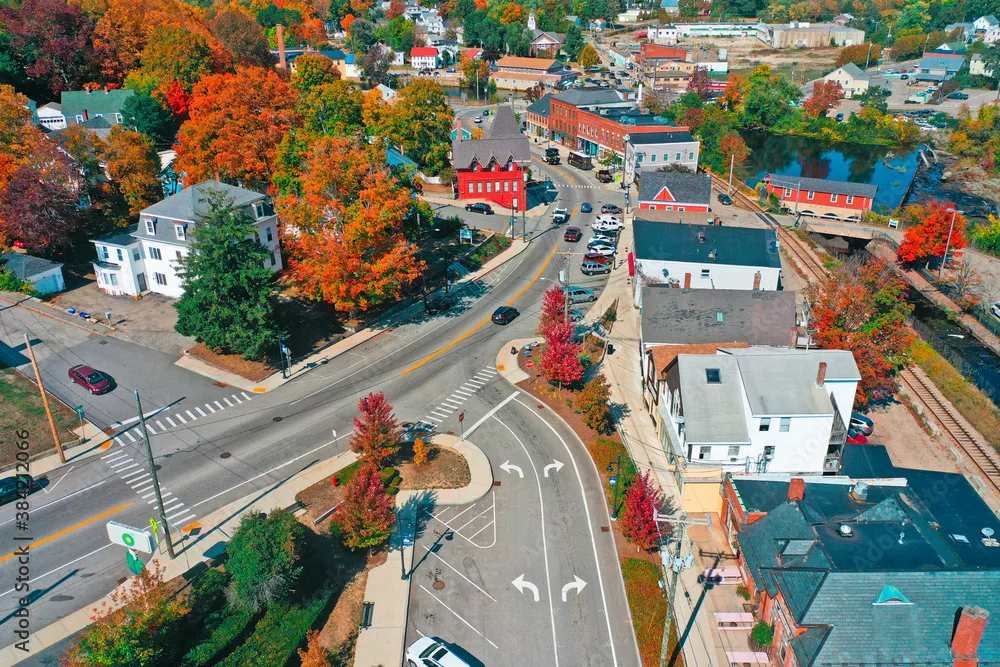
Somersworth sits along the Salmon Falls River in Strafford County, where mill-era architecture, tight residential streets, and a compact downtown business district shape how restoration work gets done. Older framing, retrofitted plumbing, and stone or block foundations mean damage rarely stays in one room.
Restoration here calls for crews who understand both modern drying science and the quirks of pre-1990 construction.
- Water Damage Restoration - extraction, structural drying, and moisture mapping after burst pipes, appliance failures, roof leaks, or firefighting water.
- Flooded Basement Cleanup - pumping, content removal, and dehumidification for below-grade spaces along the river corridor and low-lying lots.
- Sewage Cleanup - containment, removal of contaminated materials, and antimicrobial treatment following backups and septic failures.
- Fire Damage Restoration - debris removal, structural stabilization, soot cleaning, and reconstruction support.
- Smoke Damage Restoration - odor neutralization, HVAC cleaning, and surface treatment for protein, wet, and dry smoke residues.
- Mold Removal - containment barriers, HEPA filtration, affected material removal, and moisture source correction.
Key benefits for Somersworth property owners include faster containment of secondary damage, documentation that supports insurance claims, and restoration methods that respect the architectural character of older homes while meeting current safety standards.
Common Damage Restoration Issues in Somersworth, New Hampshire
The combination of New England winters, aging infrastructure, and river-adjacent geography creates recurring restoration scenarios across the city.
Frequent Causes of Damage
- Frozen and burst supply lines in uninsulated crawl spaces, exterior walls, and unheated mill-building conversions.
- Snowmelt and spring runoff pushing groundwater against fieldstone and block foundations.
- Sump pump failures during power outages tied to nor'easters and summer thunderstorms.
- Sewer and septic backups when heavy rain overwhelms older lateral lines.
- Heating system and chimney fires in homes using wood stoves, oil burners, and legacy flues.
- Kitchen grease fires that spread protein smoke residue through open floor plans.
- Firefighting water intrusion - suppression efforts routinely add thousands of gallons that soak framing, insulation, and lower floors.
Warning Signs Worth Acting On
- Musty odors in basements, closets, or behind finished walls.
- Staining, bubbling paint, or soft spots on ceilings and baseboards.
- Efflorescence - white mineral crusting - on foundation walls.
- Gurgling drains or slow floor drains after rainfall.
- Lingering smoke smell that returns on humid days, signaling residue in porous materials.
- Visible surface mold near windows, sill plates, and around water heaters.
Ignoring early indicators allows moisture to migrate into wall cavities, where mold colonies can establish quickly in Somersworth's humid warm season.
Neighborhoods We Serve in Somersworth
Response coverage spans the full city and the surrounding Strafford County communities that share its housing stock and weather patterns.
- Downtown and High Street corridor - mixed-use brick buildings, upper-floor apartments, and storefront businesses.
- Great Falls and the mill district - converted industrial structures near the Salmon Falls River.
- Blackwater and Cemetery Road areas - established single-family neighborhoods with mature trees and older utilities.
- Route 108 and Indigo Hill - newer subdivisions and split-level homes with finished basements.
- Willand Pond and Sixth Street - residential blocks bordering Dover.
- Rollinsford, Berwick and South Berwick, Maine, Dover, Rochester, and Barrington - surrounding service areas within short reach.
Crews familiar with local street layouts, seasonal access issues, and municipal permitting can stage equipment and begin extraction without delay.
Seasonal Damage Patterns in Somersworth
Each season brings a predictable shift in the type of restoration work needed.
- December through February - frozen pipe breaks, ice dam leaks along eaves, chimney and space heater fires, and smoke damage from heating appliances.
- March and April - the heaviest flooded basement season, driven by snowmelt, saturated soil, and rising groundwater near the river.
- May and June - sewage backups after sustained rain, plus the first mold growth in basements that stayed damp through spring.
- July and August - humidity-driven mold in crawl spaces and attics, thunderstorm power outages disabling sump pumps, and grill or outdoor fire incidents.
- September and October - nor'easter wind and rain damage, roof leaks, and clogged gutters redirecting water into foundations.
- November - early freeze events catching unwinterized hose bibs, plus a rise in fireplace and wood stove fires as heating season starts.
Scheduling preventive checks ahead of each shift - gutters in fall, sump pumps in late winter, dryer vents and flues before heating season - reduces emergency calls considerably.
Housing Characteristics & Restoration Considerations
Somersworth's housing stock skews older than the national average, with a large share of homes built before 1980 and a meaningful number dating to the mill era of the late 1800s and early 1900s.
Common Construction Features
- Balloon framing in older homes, creating open wall cavities that let fire, smoke, and moisture travel between floors.
- Fieldstone, rubble, and unsealed block foundations prone to seepage during high water table periods.
- Plaster and lath walls that hold moisture longer than drywall and require careful drying to avoid crumbling.
- Multi-family triple-deckers and converted mill lofts where damage in one unit affects several others.
- Knob-and-tube remnants and legacy plumbing that complicate demolition and drying work.
- Potential asbestos and lead paint in pre-1978 materials, requiring proper testing and handling protocols.
How This Shapes Restoration
- Moisture mapping with thermal imaging before any material removal, since plaster hides saturation well.
- Cavity drying with injection systems rather than wholesale demolition, preserving original woodwork and trim.
- Negative-pressure containment during mold and fire cleanup to keep dust from spreading through open framing.
- Careful soot removal from historic millwork, brick, and stair components using dry sponge and appropriate solvent methods.
- Coordinated hazardous material testing when older surfaces must be cut or disturbed.
The goal stays consistent - restore architectural character while bringing moisture levels, air quality, and safety systems up to current standards.
Environmental Conditions & Damage Implications
Local climate and ground conditions directly influence how quickly damage develops and how long drying takes.
Climate Factors
- Cold, snowy winters with extended sub-freezing stretches that stress plumbing and create ice dams.
- Humid summers where indoor relative humidity easily climbs past the 60 percent threshold that supports mold growth.
- Roughly 45 inches of annual precipitation plus substantial snowfall, keeping soil saturated much of the year.
- Coastal storm influence from nor'easters tracking up the Seacoast region.
Ground and Water Conditions
- Glacial till and clay-heavy soils that drain slowly and hold hydrostatic pressure against foundation walls.
- Proximity to the Salmon Falls River raising the water table in low-lying and downtown-adjacent parcels.
- Mineral-rich well water in outlying areas, which can leave staining that complicates post-water-damage cleaning.
- Aging municipal sewer lines in older sections, increasing backup risk during heavy flow events.
Air Quality Implications
Smoke particulates from wood heating are common in winter, and enclosed homes trap those particles alongside VOCs released after fire events. Following any fire or smoke incident, HEPA air scrubbing and full HVAC cleaning matter as much as surface restoration.
After sewage exposure, bacterial and endotoxin concerns require full removal of porous contaminated materials rather than surface disinfection alone.
Handling Dual Fire and Water Damage in Somersworth's Older Buildings
Almost every structure fire in Somersworth becomes a water damage job at the same time. Suppression crews deliver thousands of gallons in minutes, and in balloon-framed or mill-converted buildings that water travels straight down through wall cavities to basements and lower units.
Why Combined Damage Needs a Different Plan
- Soot and water together form acidic residues that etch metal, glass, and finished surfaces within hours.
- Saturated plaster and insulation begin supporting mold growth in as little as 24 to 48 hours.
- Charred framing hides moisture pockets that standard visual inspection misses.
- Smoke odor bonds more aggressively to damp porous materials than dry ones.
- Firefighting water often carries soot, ash, and debris into basements, creating a contaminated water category.
A Sequenced Approach That Works
- Secure and stabilize - board-up, roof tarping, and structural assessment before anyone enters.
- Extract standing water from basements and lower floors while soot residues are still soft.
- Remove unsalvageable materials - saturated insulation, charred sheathing, and contaminated carpet padding.
- Establish drying conditions with air movers, desiccant or refrigerant dehumidifiers, and daily moisture readings.
- Clean soot and smoke residue using methods matched to each surface - dry sponge on plaster, solvent cleaning on woodwork, abrasive methods on masonry.
- Treat odor at the source through thermal fogging, hydroxyl or ozone treatment, and sealing where residue cannot be fully removed.
- Verify results with moisture meters, air sampling, and documented readings before reconstruction begins.
Custom solutions matter most in properties with original trim, hardwood, and brick worth saving. Selective demolition, controlled drying, and surface-specific cleaning let owners keep the details that give Somersworth homes their character while eliminating the moisture, contamination, and odor left behind.





