
Damage Restoration in Scottsbluff, NE
- Damage Restoration Services Overview
- Common Damage Restoration Issues in Scottsbluff, Nebraska
- Neighborhoods We Serve in Scottsbluff
- Seasonal Damage Patterns in Scottsbluff
- Housing Characteristics & Restoration Considerations
- Environmental Conditions & Damage Implications
- Emergency Response and Insurance Claims in the Nebraska Panhandle
Damage Restoration Services Overview
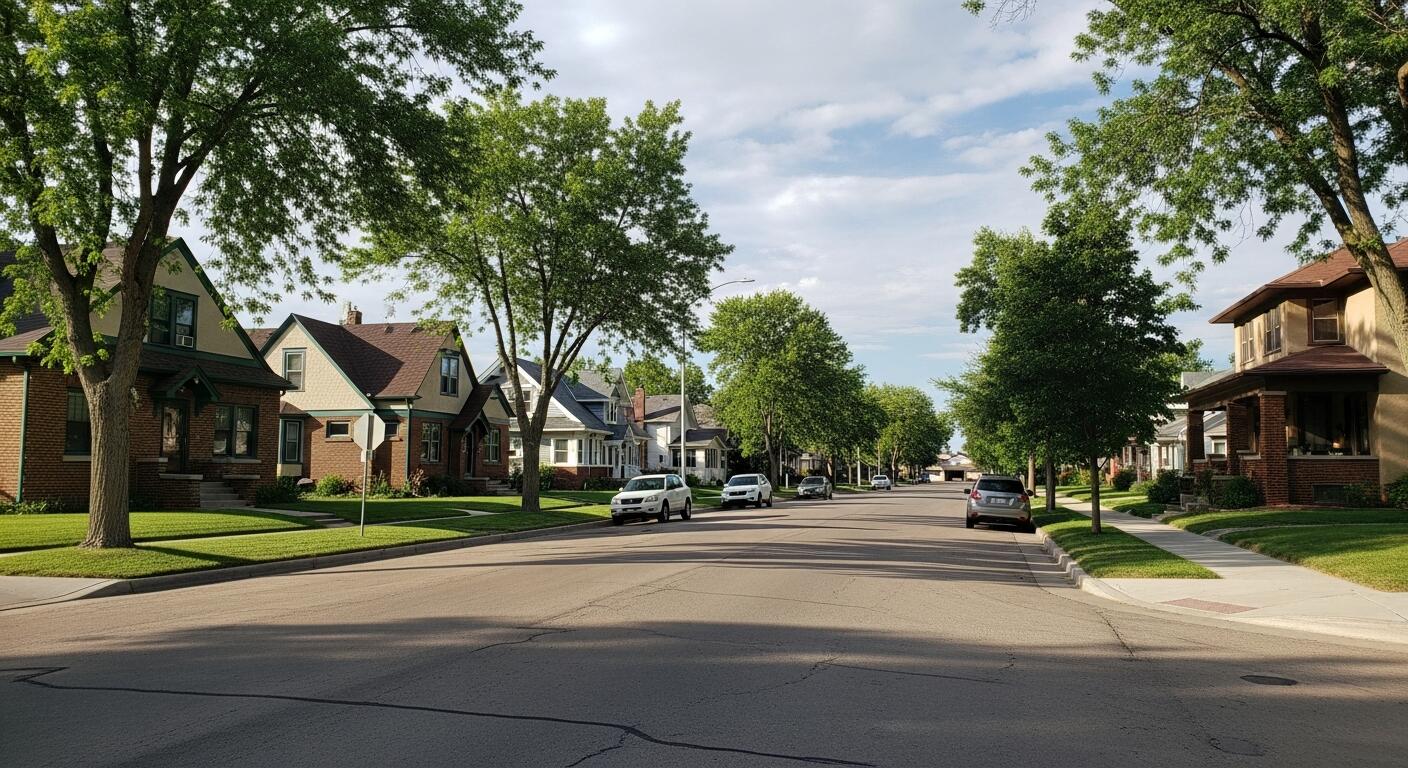
Scottsbluff sits in the North Platte River valley, where high plains weather, irrigation canals, and a housing stock spanning more than a century create restoration challenges you won't find in eastern Nebraska. Sudden thaws, hailstorms, dry winter air, and aging clay sewer lines all put local properties at risk.
Property owners across Scottsbluff County rely on a full range of emergency and remediation work:
- Water Damage Restoration - extraction, structural drying, moisture mapping, and monitoring after supply line breaks, appliance failures, or roof leaks
- Flooded Basement - pump-out, contents handling, and drying of below-grade spaces affected by groundwater, sump failure, or snowmelt
- Sewage Cleanup - removal of Category 3 contamination, antimicrobial treatment, and safe disposal of porous materials
- Fire Damage Restoration - board-up, debris removal, soot and char cleaning, and coordination of reconstruction
- Smoke Damage Restoration - odor neutralization, HVAC cleaning, and content restoration for textiles, upholstery, and hard surfaces
- Mold Removal - containment, HEPA filtration, affected material removal, and moisture-source correction
Benefits for local homeowners and business operators include faster drying that limits secondary damage, documentation that supports insurance claims, and IICRC-certified technicians who follow recognized industry standards rather than guesswork.
Common Damage Restoration Issues in Scottsbluff, Nebraska
The Panhandle's semi-arid climate fools people into thinking water problems are rare. In practice, the swings between extremes cause most of the damage calls in the area.
Leading Local Causes
- Frozen and burst pipes - subzero nights combined with uninsulated crawl spaces and exterior walls in older Scottsbluff and Gering homes
- Rapid snowmelt and spring runoff - saturated soil pushing water through foundation cracks and window wells
- Irrigation canal season - elevated groundwater tables from April through September raising hydrostatic pressure on basement walls
- Sewer backups - root intrusion and grease buildup in older clay laterals, plus main-line surcharges during heavy rain
- Sump pump failure - overwhelmed or unpowered pumps during thunderstorm outages
- Kitchen, heating, and grass fires - dry, windy conditions that let outdoor fires reach structures quickly
- Hidden mold - growth behind finished basement paneling, under carpet pad, and around window wells
Warning Signs Worth Acting On
- Musty odor that intensifies when the furnace or AC runs
- Efflorescence, chalky staining, or bubbling paint on foundation walls
- Slow floor drains or gurgling fixtures when the washing machine empties
- Soot film reappearing on walls weeks after a small fire or furnace puff-back
- Smoke odor returning on humid days, indicating residue still trapped in ductwork or insulation
- Cupped hardwood, soft baseboards, or unexplained spikes in the water bill
Neighborhoods We Serve in Scottsbluff
Response covers the city and the wider Panhandle, with each area presenting different structural conditions.
- Downtown Scottsbluff and Broadway corridor - older commercial buildings with basements, flat roofs, and legacy plumbing
- Terrytown and south Scottsbluff - mid-century ranch homes with finished lower levels
- Northfield and the north-side residential streets - varied lot drainage and mature tree roots near sewer laterals
- Country Club and west-side additions - larger newer builds with sump systems and slab additions
- Near the Scotts Bluff National Monument bluff line and rural acreages - well and septic properties
Service extends throughout the valley to Gering, Terrytown, Mitchell, Morrill, Minatare, Melbeta, McGrew, Bayard, Bridgeport, Kimball, Alliance, Hemingford, and across the state line to Torrington, Wyoming.
Seasonal Damage Patterns in Scottsbluff
Winter (December - February)
- Burst supply lines in crawl spaces, garages, and vacant rentals
- Ice dams on low-slope roofs pushing meltwater into ceilings
- Furnace puff-backs and space heater fires driving smoke damage calls
- Chimney and wood stove incidents during long cold snaps
Spring (March - May)
- Snowmelt plus rain producing flooded basements and window well intrusion
- Sewage backups when combined runoff surcharges municipal lines
- Mold colonies waking up in materials that stayed damp all winter
Summer (June - August)
- Thunderstorm and hail damage opening roofs to water intrusion
- Power outages disabling sump pumps mid-storm
- Irrigation-season groundwater keeping basement slabs damp
- Grass and field fires spreading smoke odor into nearby structures
Fall (September - November)
- First freeze catching unwinterized hose bibs and sprinkler lines
- Heating systems restarting and circulating dust, soot, and mold spores
- Ideal window for moisture inspections and mold prevention before winter
Housing Characteristics & Restoration Considerations
Scottsbluff's building stock reflects its sugar beet and railroad history, with a large share of homes built between the 1920s and the 1970s and newer construction spreading west and south.
Common Construction Types
- Pre-1940 bungalows and foursquares - lath and plaster, poured or stone foundations, balloon framing that lets fire and smoke travel between floors
- Post-war ranches - block basement walls, original galvanized or cast iron drains, finished rec rooms with paneling over furring strips
- 1970s - 1990s split-levels - below-grade bedrooms and carpeted lower floors that hold water
- Modern builds - slab-on-grade or engineered basements with tighter envelopes that trap humidity when drying is incomplete
- Farm and acreage properties - private wells, septic systems, and outbuildings with limited insulation
How Age Shapes the Work
- Older plaster and horsehair walls need cautious drying to avoid crumbling, and asbestos or lead testing may apply before demolition.
- Block foundations wick moisture laterally, so drilling weep holes and using cavity drying equipment often replaces simple surface airflow.
- Clay sewer laterals under mature trees raise the likelihood that a basement backup involves Category 3 water requiring full sanitation.
- Balloon-framed homes hide soot and smoke residue in wall cavities, which is why thermal fogging and cavity cleaning matter after a fire.
- Tightly sealed newer homes need dehumidification-focused drying plans rather than open-window ventilation.
Environmental Conditions & Damage Implications
At roughly 3,900 feet in elevation, Scottsbluff has thin, dry air, intense sun, and dramatic daily temperature swings - conditions that change how restoration equipment performs.
Climate Factors
- Low ambient humidity speeds evaporation but can dry surfaces before deep moisture leaves framing, masking hidden saturation
- Around 15 - 17 inches of annual precipitation, much of it in short, heavy spring and summer bursts
- Strong Panhandle winds that spread wildfire smoke and drive rain into siding and window seals
- Freeze-thaw cycling that opens hairline foundation cracks year after year
Soil, Water, and Air
- Soil - silty loam and clay pockets over alluvial gravels near the North Platte; clay expands when wet and pushes against basement walls
- Groundwater - shallow in valley neighborhoods, especially during irrigation season, which sustains chronic basement dampness
- Water hardness - mineral-rich supply that scales water heaters and appliance lines, contributing to sudden failures
- Air quality - agricultural dust, harvest particulate, and drifting regional wildfire smoke that settle into HVAC systems and worsen post-fire odor
Practical Implications
- Moisture meters and thermal imaging are used to verify drying, not just surface feel.
- Dehumidifiers must be sized for elevation, since air density affects performance.
- Mold remediation focuses on below-grade and north-facing areas where dry outdoor air never reaches.
- Post-fire cleaning includes duct and filtration work because outdoor particulate compounds indoor smoke residue.
Emergency Response and Insurance Claims in the Nebraska Panhandle
Distance matters out here. A property in Bridgeport, Kimball, or Hemingford may be an hour or more from the nearest crew, so the first steps a property owner takes before technicians arrive strongly influence the outcome.
What to Do Before Help Arrives
- Stop the source if it is safe - shut off the main water valve or the supply line to the failed appliance.
- Cut power to affected areas at the breaker when standing water is present.
- Stay out of any space with sewage; Category 3 water carries bacteria and requires protective equipment.
- Move furniture, electronics, and boxed keepsakes to a dry level if you can do so without lifting saturated items.
- Photograph and video everything before anything is moved or discarded.
- Do not run the HVAC system after a fire - it circulates soot through the entire structure.
- Leave charred surfaces alone; improper wiping grinds soot deeper into paint and drywall.
Working With Your Insurer
- Report the loss promptly and record your claim number and adjuster contact
- Ask restoration crews for moisture logs, equipment placement records, and daily readings - these documents support the scope of drying
- Keep receipts for temporary lodging, fans, or emergency plumbing repairs
- Understand that sewer backup and groundwater seepage often require separate endorsements from standard homeowner policies
- Request a written scope before reconstruction begins so repairs match the mitigation work
Choosing a Local Provider
- Verify IICRC certification for water, fire, and mold categories
- Confirm 24-hour dispatch and realistic travel times to your community
- Ask whether the same company handles both mitigation and reconstruction
- Look for experience with Panhandle basements, well and septic systems, and older plaster homes
Long-standing Scottsbluff area firms have handled valley flooding, agricultural fires, and hard-water plumbing failures for decades, and that regional familiarity shortens the gap between the first call and the first dehumidifier running.





