
Damage Restoration in Gering, NE
- Damage Restoration Services Overview
- Common Damage Restoration Issues in Gering, Nebraska
- Neighborhoods We Serve in Gering
- Seasonal Damage Patterns in Gering
- Housing Characteristics & Restoration Considerations
- Environmental Conditions & Damage Implications
- Emergency Response and Insurance Coordination for Panhandle Property Owners
Damage Restoration Services Overview
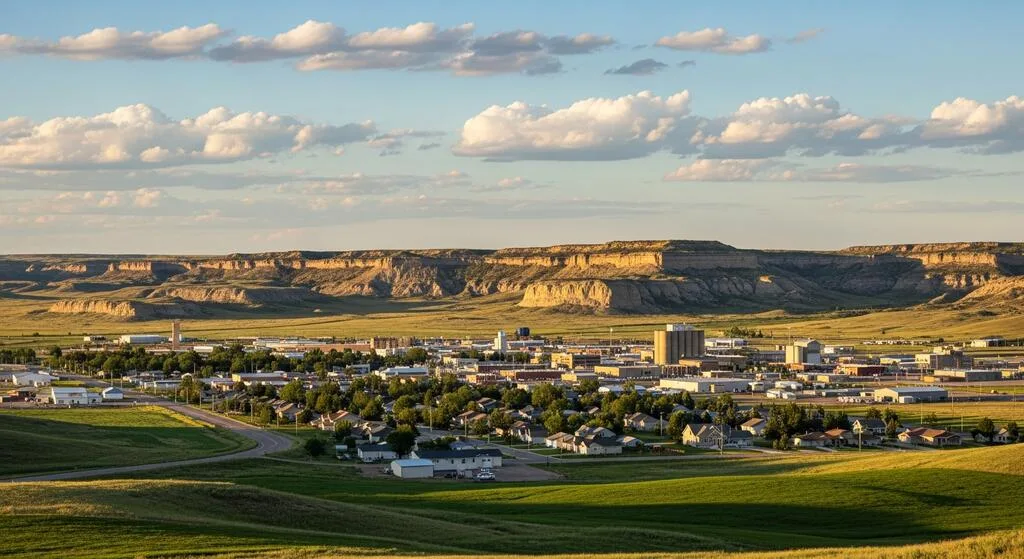
Discovering water spreading across a basement floor or walking into a home filled with smoke odor ranks among the hardest moments a Gering property owner can face. Fast, organized response protects both the structure and the belongings inside it.
Restoration work in the Nebraska Panhandle covers a wide span of emergencies, and each one demands different equipment, drying strategies, and cleaning chemistry:
- Water Damage Restoration - extraction, structural drying, moisture mapping, and monitoring until materials reach dry standard
- Flooded Basement - sump failures, foundation seepage, and snowmelt intrusion cleared and dried before finishes buckle
- Sewage Cleanup - Category 3 contamination removal, disinfection, and safe disposal of porous materials
- Fire Damage Restoration - debris removal, structural cleaning, contents handling, and rebuild coordination
- Smoke Damage Restoration - soot removal from surfaces and HVAC systems plus odor neutralization
- Mold Removal - containment, HEPA filtration, affected material removal, and correction of the moisture source
Benefits for Gering households and businesses include reduced secondary damage, better odds of saving hardwood and drywall, documented moisture readings for insurance claims, and healthier indoor air once work wraps up. Local crews familiar with Scotts Bluff County construction and 24-hour emergency call service make the difference between a manageable repair and a gutted room.
Common Damage Restoration Issues in Gering, Nebraska
Gering sits along the North Platte River valley at roughly 3,900 feet, and that setting shapes the damage patterns restoration crews see most often.
Frequent Causes of Loss
- Frozen and burst supply lines during hard Panhandle cold snaps, especially in crawl spaces and unheated garages
- Rapid spring snowmelt combined with clay-heavy soils pushing groundwater against foundation walls
- Summer thunderstorms dropping heavy rain in short bursts, overwhelming window wells and downspout drainage
- Sump pump failures during power outages tied to high wind events
- Sewer line backups from root intrusion in older laterals or from surcharged mains after storms
- Kitchen grease fires, wood stove and fireplace mishaps, and electrical faults in aging panels
- Grass and wildland fires near the bluffs pushing smoke and ash into homes even when flames never reach the property
Warning Signs Worth Acting On
- Musty odor in a basement or along baseboards that lingers after ventilation
- Efflorescence, chalky white staining, or bubbling paint on foundation walls
- Soft or discolored drywall behind toilets, under sinks, or near water heaters
- Slow floor drains, gurgling fixtures, or sewage odor near the cleanout
- Yellow-brown staining above windows and doors after a fire, indicating soot migration
- Smoke smell that returns on humid days, a sign residue remains in ductwork or insulation
- Visible mold growth around window frames where condensation collects during winter
Catching any of these early keeps a small drying job from becoming a full reconstruction project.
Neighborhoods We Serve in Gering
Restoration response covers Gering proper and the surrounding Panhandle communities, including:
- Downtown Gering and the historic blocks near 10th Street and M Street
- Neighborhoods along Sunset Drive and the west side approaching Scotts Bluff National Monument
- Five Rocks area and the residential streets near Gering High School
- Northfield and the corridor toward the North Platte River bridges
- Country properties and acreages south along Highway 71 and out toward Robidoux Road
- Adjacent Scottsbluff, Terrytown, and Mitchell
- Wider Panhandle service reaching Minatare, Melbeta, McGrew, Morrill, Bayard, and Alliance
Coverage spans single-family homes, rural farmsteads, apartment buildings, churches, medical offices, and commercial storefronts. Familiarity with local street layouts and municipal utility contacts keeps crews moving quickly when a sewage backup or flooded basement calls for same-night attention.
Seasonal Damage Patterns in Gering
Winter (December - February)
- Burst pipes and supply line splits during subzero stretches
- Ice dams on north-facing roof slopes forcing water under shingles
- Heating-related fires from furnaces, space heaters, and wood stoves
- Smoke damage from puff-backs and blocked flues
Spring (March - May)
- Snowmelt and saturated soils driving flooded basement calls
- Sump pump overwork and failure
- Sewer backups when mains run at capacity
- First mold growth of the year in basements that stayed damp all winter
Summer (June - August)
- Hail and wind-driven rain breaching roofs and windows
- Flash flooding from short, intense downpours
- Grass fires along the bluffs sending smoke and ash indoors
- Air conditioning condensate line clogs leaking into ceilings
Fall (September - November)
- First-freeze pipe failures in outdoor spigots and irrigation lines
- Chimney and fireplace fires as heating season begins
- Hidden mold discovered when homes close up for the season
- Gutter debris causing overflow against foundations
Housing Characteristics & Restoration Considerations
Gering's housing stock spans well over a century, from early 1900s cottages near downtown to newer subdivisions on the town's edges. Restoration approach shifts with the era of construction.
Older Homes (pre-1960)
- Stone, block, or poured foundations with limited waterproofing, making seepage and flooded basement calls common
- Plaster and lath walls that hold moisture longer than drywall and need careful drying rather than quick demolition
- Cast iron and clay sewer laterals prone to root intrusion and backups
- Possible asbestos-containing floor tile, mastic, or pipe wrap requiring testing before removal
- Balloon framing that lets smoke and fire travel vertically between floors
Mid-Century and Newer Homes
- Finished basements with carpet, paneling, and framed walls that trap water behind the surface
- Slab-on-grade and crawl space designs where moisture wicks upward through concrete
- Fiberglass batt insulation that loses R-value and harbors mold once saturated
- Engineered flooring and MDF trim that swell quickly and rarely dry back to shape
- Tighter building envelopes that concentrate smoke odor and hold humidity
What This Means for Restoration
- Moisture readings taken behind finishes, not just at the surface
- Selective removal of unsalvageable materials while drying what can be saved
- Negative-pressure containment when mold or sewage contamination is present
- HVAC inspection and duct cleaning after any fire or smoke event
- Documentation of pre-loss conditions for insurance and rebuild planning
Environmental Conditions & Damage Implications
The Panhandle's semi-arid, high-plains climate creates a deceptive situation: low average humidity does not prevent damage, it simply hides it longer.
Climate Factors
- Wide daily temperature swings that stress plumbing and create condensation inside wall cavities
- Roughly 15 inches of annual precipitation, much of it arriving in concentrated spring and summer storms
- Persistent wind that drives rain sideways into siding, soffits, and window seals
- Dry indoor air in winter that masks moisture problems until mold is already established
Soil and Groundwater
- Clay and silty loam soils in parts of the valley expand when wet, pressing against foundation walls
- Sandy pockets near the river allow rapid water movement toward basements
- Shallow groundwater in low-lying areas during high-flow periods on the North Platte
- Irrigation canal activity through the growing season raising local water tables
Air and Water Quality Effects
- Regional dust and agricultural particulate that bonds with smoke residue, making soot cleanup more involved
- Hard water and mineral scale that shortens the life of water heaters, supply lines, and appliance hoses
- Wildfire and grass fire smoke infiltrating through attics and HVAC returns
- Sewage contamination introducing bacteria that require antimicrobial treatment, not just extraction
Effective drying plans in Gering account for low ambient humidity, which helps evaporation, and for tight or below-grade spaces, which resist it. Dehumidification, air movement, and daily moisture logging remain the backbone of every job.
Emergency Response and Insurance Coordination for Panhandle Property Owners
When a pipe bursts at 2 a.m. or a sewer line backs up over a holiday weekend, the clock starts immediately. Water migrates within minutes, and mold can begin colonizing damp materials within a day or two under the right conditions.
What Happens During the First Response
- Call intake and dispatch - 24-hour emergency service including weekends, with crews based in the Scottsbluff and Gering area
- Safety assessment - electrical hazards, structural concerns, and contamination category identified before work begins
- Source control - shutting off water, isolating the sewer line, or securing a fire-damaged structure
- Extraction and removal - standing water pulled, contaminated porous materials bagged and disposed of properly
- Equipment placement - air movers, dehumidifiers, and HEPA scrubbers set to the size and condition of the affected area
- Daily monitoring - moisture meters and thermal imaging tracking progress until materials hit dry standard
- Cleaning and restoration - soot removal, odor treatment, antimicrobial application, and repairs or rebuild as needed
Working With Your Insurance Carrier
- Photo and video documentation captured before any material is removed
- Written moisture logs supporting the scope of drying performed
- Itemized scopes prepared in formats adjusters recognize
- Direct communication with the carrier so homeowners are not caught between parties
- Clear explanation of what typically falls inside coverage versus maintenance-related exclusions
Why Local Matters
IICRC-certified technicians who know Gering's older foundations, clay soils, and sewer infrastructure make faster and better decisions on site. Restoration companies serving Scotts Bluff County have decades of history in the valley, and that experience shows up in how quickly a flooded basement gets dry and how thoroughly smoke odor is eliminated from a home. Keep an emergency number saved before you need it - the response time in the first few hours shapes everything that follows.





