
Damage Restoration in New Holland, PA
- Damage Restoration Services Overview
- Common Damage Restoration Issues in New Holland, Pennsylvania
- Neighborhoods We Serve in New Holland
- Seasonal Damage Patterns in New Holland
- Housing Characteristics & Restoration Considerations
- Environmental Conditions & Damage Implications
- Agricultural Community Fire Safety and Restoration Challenges
Damage Restoration Services Overview
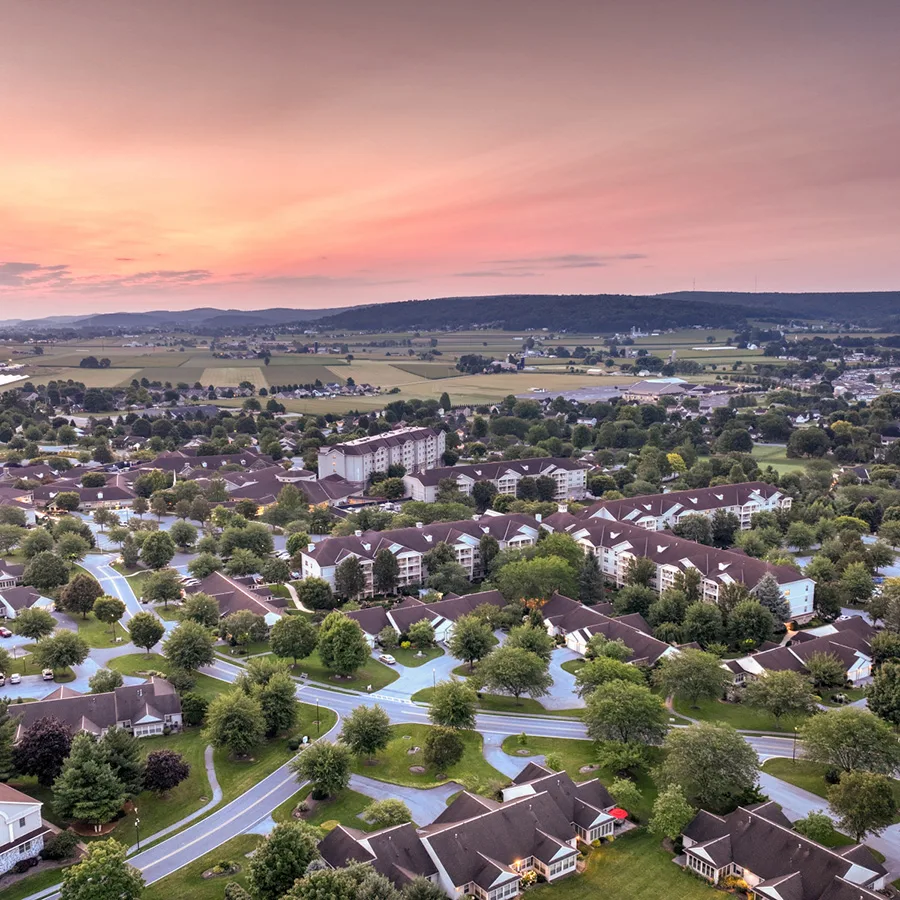
When disaster strikes your New Holland property, immediate action prevents minor problems from becoming major catastrophes. Water damage can spread through structures within hours, while fire and smoke damage continue causing harm long after flames are extinguished.
Professional restoration services address multiple types of damage that threaten homes and businesses throughout Lancaster County:
- Water Damage Restoration - Extraction, drying, and structural repairs from burst pipes, appliance failures, and storm flooding
- Flooded Basement - Comprehensive cleanup and waterproofing solutions for below-grade spaces
- Sewage Cleanup - Safe removal and sanitization of contaminated water and materials
- Fire Damage Restoration - Structural repairs, debris removal, and property reconstruction
- Smoke Damage Restoration - Soot removal, odor elimination, and air quality restoration
- Mold Removal - Detection, containment, and remediation of fungal growth
Each service requires specialized equipment, training, and techniques to restore properties safely and effectively. Fast response times make the difference between manageable repairs and extensive reconstruction projects that disrupt lives for months.
Common Damage Restoration Issues in New Holland, Pennsylvania
New Holland's location in Lancaster County creates specific challenges for property owners dealing with various types of damage. The area's agricultural setting and older housing stock contribute to unique restoration needs.
Water damage frequently occurs from:
- Aging plumbing systems in historic homes requiring frequent repairs
- Basement flooding during heavy spring rains and summer storms
- Well water system failures affecting rural properties
- Ice dam formation on older rooflines during winter freezes
Fire and smoke damage patterns include:
- Chimney fires in homes with wood-burning stoves and fireplaces
- Electrical fires from outdated wiring in vintage properties
- Kitchen fires spreading through older homes lacking modern fire barriers
- Barn and outbuilding fires affecting nearby residences
Mold growth accelerates due to:
- High humidity levels from nearby agricultural irrigation
- Poor ventilation in older basements and crawl spaces
- Moisture infiltration through aging foundation walls
- Condensation problems in homes lacking proper insulation
Sewage backup issues stem from aging municipal systems and private septic failures common in rural areas surrounding the borough.
Neighborhoods We Serve in New Holland
Our restoration teams provide comprehensive services throughout New Holland Borough and surrounding Lancaster County communities. We respond to calls across established residential areas, rural farmsteads, and developing neighborhoods.
Primary service areas include:
- Downtown New Holland historic district with Victorian-era homes
- Residential developments along East Jackson Street and West Broad Street
- Rural properties on Groffdale Road and surrounding farmland
- Blue Ball and Goodville communities to the east
- Intercourse and Leaola areas serving Amish and Mennonite families
- Earl Township and Upper Leacock Township rural properties
Each neighborhood presents distinct challenges, from historic preservation requirements in the borough center to accessibility concerns on remote farm properties. Our teams adapt equipment and techniques to serve every location effectively.
Seasonal Damage Patterns in New Holland
New Holland experiences distinct seasonal patterns that create predictable restoration needs throughout the year. Understanding these cycles helps property owners prepare for potential damage scenarios.
Spring (March-May):
- Basement flooding from snowmelt and heavy rains
- Roof leaks from ice dam damage becoming apparent
- Mold growth accelerating in damp conditions
Summer (June-August):
- Storm damage from severe thunderstorms and microbursts
- Air conditioning failures leading to humidity problems
- Fire risks increasing during dry periods
Fall (September-November):
- Chimney and heating system fires as usage resumes
- Clogged gutters causing water damage
- Sewage backups from leaf infiltration
Winter (December-February):
- Frozen pipe bursts during extreme cold snaps
- Ice dam formation causing interior water damage
- Carbon monoxide issues from improperly vented heating systems
Housing Characteristics & Restoration Considerations
New Holland's housing stock reflects its long history, with many properties dating back over a century. This creates specific challenges and opportunities for restoration professionals working in the area.
Typical housing characteristics include:
- Victorian and Colonial Revival homes from the late 1800s and early 1900s
- Farmhouses with additions built over multiple decades
- Ranch and split-level homes from 1950s-1970s suburban expansion
- Modern construction in newer developments since the 1990s
Restoration considerations for older properties:
- Lead paint and asbestos requiring specialized handling during fire damage restoration
- Knob-and-tube wiring increasing electrical fire risks
- Stone foundations vulnerable to water infiltration and mold growth
- Balloon frame construction allowing rapid fire spread between floors
- Galvanized plumbing prone to corrosion and sudden failures
Newer homes present different challenges:
- Synthetic materials producing toxic smoke during fires
- Tighter construction trapping moisture and promoting mold
- Complex HVAC systems spreading contamination throughout structures
- Engineered lumber requiring careful assessment after water exposure
Environmental Conditions & Damage Implications
New Holland's environmental conditions significantly impact damage restoration needs and techniques. The area's humid continental climate creates year-round challenges for property preservation and recovery.
Climate factors affecting restoration:
- Average humidity levels of 65-75% promoting rapid mold growth
- Temperature fluctuations causing expansion and contraction damage
- Annual precipitation of 42 inches increasing flood risks
- Freeze-thaw cycles damaging building materials and foundations
Soil conditions impact basement and foundation issues:
- Clay-rich soils expanding when wet and shrinking when dry
- Poor drainage in low-lying areas creating persistent moisture problems
- Limestone bedrock affecting water table levels and basement flooding
- Agricultural runoff potentially contaminating flood water
Air quality considerations include:
- Agricultural dust and pollen affecting indoor air during restoration
- Seasonal inversions trapping smoke and odors in valleys
- Rural location reducing immediate access to specialized air filtration equipment
Water quality factors:
- Hard water with high mineral content affecting cleaning processes
- Private wells requiring testing after sewage contamination
- Agricultural chemicals in groundwater complicating water damage restoration
Agricultural Community Fire Safety and Restoration Challenges
New Holland's position at the heart of Lancaster County's agricultural community creates unique fire safety and restoration challenges that require specialized knowledge and equipment. The proximity of residential properties to working farms, grain storage facilities, and agricultural operations significantly impacts both fire risk and restoration complexity.
Agricultural fire risks affecting nearby homes include:
- Barn fires spreading to adjacent residential properties through wind-carried embers
- Grain dust explosions creating intense fires that damage surrounding structures
- Hay storage spontaneous combustion threatening nearby homes
- Farm equipment fires spreading to residential areas during harvest season
- Propane storage facilities creating explosion risks for neighboring properties
Restoration challenges in agricultural settings require specialized approaches:
- Smoke damage from agricultural fires containing unique chemical compounds from fertilizers and pesticides
- Soot contamination mixed with agricultural dust requiring specialized cleaning techniques
- Water damage restoration complicated by agricultural runoff and chemical contamination
- Mold removal in properties exposed to agricultural moisture and organic materials
- Sewage cleanup involving agricultural waste systems and livestock contamination
The Amish and Mennonite communities throughout the area present additional considerations for restoration services. Many properties lack modern fire suppression systems, rely on alternative construction methods, and require restoration approaches that respect traditional building techniques while meeting modern safety standards.
Successful restoration in this environment demands understanding of agricultural processes, respect for community values, and equipment capable of handling rural access challenges while delivering professional results that protect both residential and agricultural investments.





