
Damage Restoration in Homer, AK
Damage Restoration Services Overview
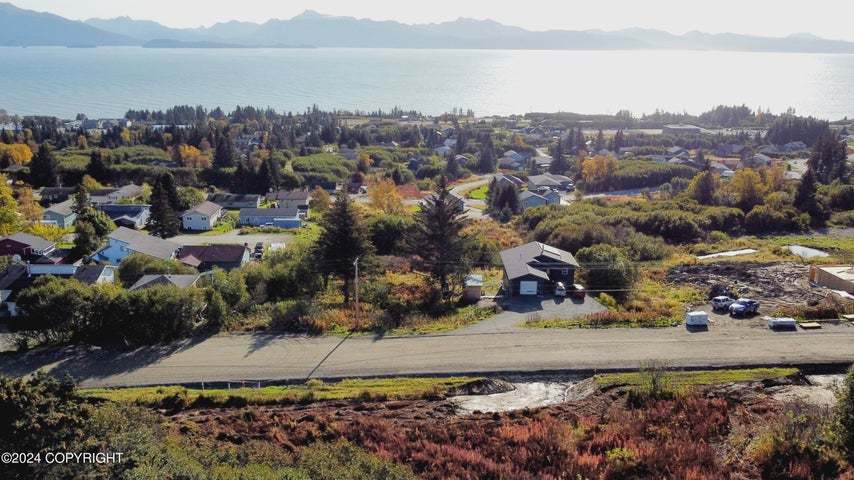
Homer, Alaska's unique coastal environment and extreme weather conditions create distinct challenges for property owners facing damage restoration needs. Located on the Kenai Peninsula, homes and businesses here encounter everything from storm-driven water intrusion to smoke damage from heating systems working overtime during harsh winters.
Our comprehensive restoration services address the full spectrum of damage scenarios common to this region:
- Water Damage Restoration - Complete water extraction, structural drying, and moisture control
- Flooded Basement - Specialized basement water removal and foundation protection
- Sewage Cleanup - Safe removal and sanitization of contaminated water
- Fire Damage Restoration - Structural repairs and content cleaning after fire incidents
- Smoke Damage Restoration - Odor elimination and surface cleaning from smoke exposure
- Mold Removal - Professional remediation and prevention strategies
Alaska's premier flood damage experts understand that Homer properties face unique risks from coastal storms, freeze-thaw cycles, and extended periods of high humidity. Our local team provides 24/7 emergency response, ensuring rapid water extraction and structural drying to prevent secondary damage like mold growth.
Common Damage Restoration Issues in Homer, Alaska
Homer's location on Kachemak Bay exposes properties to multiple damage risks throughout the year. The combination of coastal weather patterns and Alaska's extreme temperature variations creates perfect conditions for various restoration emergencies.
Water damage incidents frequently occur from:
- Storm surge and coastal flooding during winter storms
- Ice dam formation causing roof leaks and basement flooding
- Frozen pipe bursts when temperatures drop below -20°F
- Groundwater intrusion during spring snowmelt
- Appliance failures during power outages
Fire and smoke damage often results from:
- Overworked heating systems during extended cold periods
- Wood stove and fireplace incidents
- Electrical issues from power grid stress
- Generator malfunctions during outages
Sewage backup problems emerge when:
- Ground frost prevents proper drainage
- Heavy rainfall overwhelms septic systems
- Tree roots infiltrate aging sewer lines
Mold growth accelerates due to Homer's high humidity levels, especially in basements and crawl spaces where moisture accumulates. Early warning signs include musty odors, visible growth on surfaces, and increased allergy symptoms among occupants.
Neighborhoods We Serve in Homer
Our restoration team serves all areas throughout Homer and surrounding communities on the southern Kenai Peninsula. We provide comprehensive damage restoration services to residents and businesses in:
- Downtown Homer - Historic buildings and waterfront properties
- Homer Spit - Coastal homes and commercial fishing operations
- East Hill - Residential neighborhoods with varied home ages
- West Hill - Newer developments and custom homes
- Diamond Ridge - Rural properties with unique access challenges
- Anchor Point - Extended service area to the north
- Ninilchik - Coastal community restoration needs
- Kachemak City - Across-the-bay service via water taxi
Each neighborhood presents distinct restoration challenges, from historic downtown buildings requiring specialized techniques to remote properties needing creative logistics solutions. Our local expertise ensures appropriate response regardless of location or property type.
Seasonal Damage Patterns in Homer
Homer's damage patterns follow predictable seasonal cycles, allowing property owners to prepare for likely scenarios:
Winter (December-February):
- Peak fire damage from heating system failures
- Frozen pipe bursts during extreme cold snaps
- Ice dam water damage on roofs and upper floors
- Smoke damage from overworked wood stoves
Spring (March-May):
- Basement flooding from rapid snowmelt
- Foundation water intrusion as ground thaws
- Mold growth in previously frozen areas
- Storm damage from spring weather systems
Summer (June-August):
- Sewage backup from heavy rainfall events
- Mold removal needs in humid conditions
- Fire damage from dry conditions and electrical storms
Fall (September-November):
- Storm damage preparation and repairs
- Water damage from early freeze events
- Preventive mold treatment before winter
Housing Characteristics & Restoration Considerations
Homer's housing stock reflects both Alaska's frontier heritage and modern building practices, creating diverse restoration challenges. Many properties date from the 1960s-1980s homesteading era, while newer construction incorporates improved materials and techniques for harsh climate conditions.
Older homes typically feature:
- Single-wall construction with minimal insulation
- Crawl spaces prone to moisture accumulation and mold growth
- Original plumbing systems vulnerable to freeze damage
- Wood heating systems requiring specialized fire damage restoration
- Basement foundations susceptible to water intrusion
Newer construction includes:
- Improved vapor barriers reducing mold risk
- Modern HVAC systems with better fire safety features
- Enhanced drainage systems preventing basement flooding
- Updated electrical systems reducing fire hazards
Restoration approaches must account for construction methods, available utilities, and access limitations. Remote properties may lack municipal water and sewer connections, affecting sewage cleanup procedures. Many homes use well water and septic systems, requiring specialized knowledge for water damage restoration and sewage backup situations.
The prevalence of log homes and timber frame construction demands expertise in smoke damage restoration techniques that preserve wood integrity while eliminating odors and residue.
Environmental Conditions & Damage Implications
Homer's maritime subarctic climate creates unique environmental conditions directly impacting damage restoration needs. The combination of coastal moisture, temperature extremes, and extended daylight variations affects how different types of damage develop and spread.
Climate factors influencing restoration include:
- Average humidity levels of 65-75% promoting mold growth
- Temperature swings from -25°F to 70°F stressing building materials
- Annual precipitation of 25-30 inches concentrated in fall months
- Coastal winds up to 60 mph driving water intrusion
- Extended winter darkness affecting heating system usage
Soil conditions affect foundation stability and drainage:
- Clay-rich soils with poor drainage increasing basement flooding risk
- Permafrost layers in some areas affecting foundation settlement
- Coastal erosion threatening properties near Kachemak Bay
- Seasonal frost heave stressing foundation walls
Air quality considerations include:
- Salt air accelerating corrosion and material degradation
- Volcanic ash from nearby peaks affecting filtration systems
- Wood smoke concentrations during heating season
- High pollen counts during brief summer growing season
These environmental factors require restoration techniques adapted to local conditions, from specialized drying equipment for high humidity to corrosion-resistant materials for coastal properties.
Coastal Environment Restoration Challenges
Homer's position on Kachemak Bay creates distinctive restoration challenges that require specialized expertise and equipment. The coastal environment subjects properties to salt air corrosion, storm surge damage, and unique moisture patterns that standard inland restoration techniques cannot adequately address.
Salt air exposure accelerates material degradation and complicates restoration efforts:
- Metal components corrode rapidly, requiring specialized cleaning and protective coatings
- Salt deposits interfere with paint adhesion during fire damage restoration
- Electronic equipment suffers accelerated failure, complicating smoke damage cleanup
- HVAC systems require frequent maintenance to prevent salt buildup
Storm surge events present complex water damage scenarios:
- Saltwater intrusion requires different extraction and drying techniques than freshwater flooding
- Contaminated floodwater often contains sewage, marine debris, and petroleum products
- Basement flooding from storm surge carries additional health hazards
- Electrical systems exposed to saltwater need complete replacement rather than cleaning
Professional restoration teams must understand coastal building materials and their responses to different damage types. Log homes near the water require specialized treatment to prevent salt damage while maintaining structural integrity. Modern coastal construction uses marine-grade materials that respond differently to fire, smoke, and water damage than standard building products.
The isolation of some coastal properties requires creative logistics solutions for equipment transport and material delivery. Restoration projects may depend on tide schedules, weather windows, and specialized transportation methods including boats and all-terrain vehicles.
Mold removal in coastal environments demands understanding of salt-tolerant species that thrive in marine conditions. Standard remediation protocols may prove insufficient against these aggressive organisms, requiring enhanced treatment methods and extended monitoring periods.





