
Damage Restoration in Little River, SC
- Damage Restoration Services Overview
- Common Damage Restoration Issues in Little River, South Carolina
- Neighborhoods We Serve in Little River
- Seasonal Damage Patterns in Little River
- Housing Characteristics & Restoration Considerations
- Environmental Conditions & Damage Implications
- Hurricane Preparedness and Post-Storm Restoration Services
Damage Restoration Services Overview
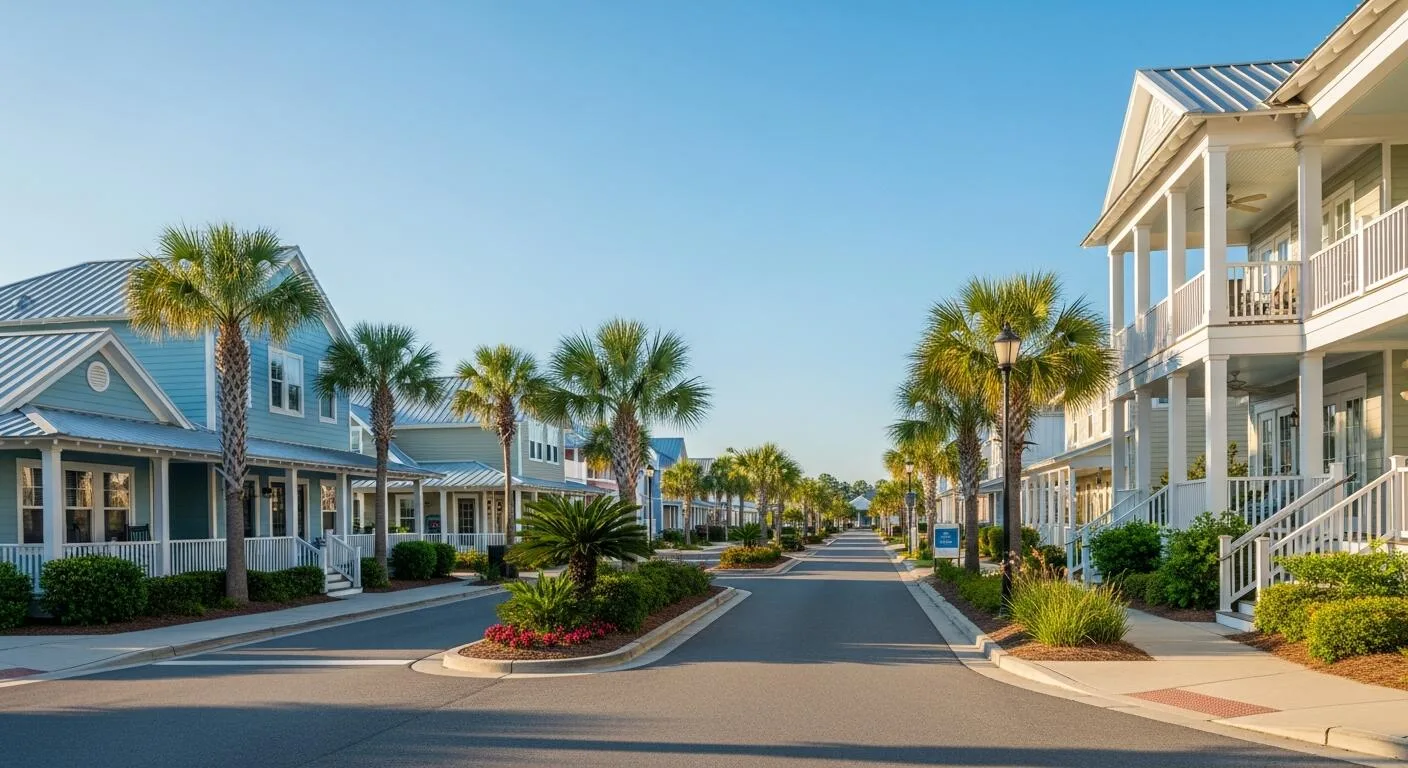
When a burst pipe floods your kitchen at 2 AM or smoke from a kitchen fire permeates your entire home, you need immediate professional help. Little River homeowners face unique restoration challenges due to the coastal environment, from hurricane-related flooding to humidity-driven mold growth.
Professional damage restoration services address multiple types of emergencies that can threaten your property:
- Water Damage Restoration - Extracting standing water, drying affected areas, and preventing secondary damage
- Flooded Basement - Specialized pumping, dehumidification, and structural drying for below-grade spaces
- Sewage Cleanup - Safe removal and sanitization of contaminated water and materials
- Fire Damage Restoration - Structural repairs, content cleaning, and odor elimination
- Smoke Damage Restoration - Removing soot, neutralizing odors, and restoring air quality
- Mold Removal - Professional remediation to eliminate colonies and prevent regrowth
These services work together to restore your property completely. Water damage often leads to mold growth if not properly addressed, while fire incidents typically require both structural repairs and smoke damage treatment. Quick response prevents minor issues from becoming major reconstruction projects.
Common Damage Restoration Issues in Little River, South Carolina
Little River's coastal location creates specific vulnerabilities that homeowners must understand. The combination of ocean proximity, seasonal weather patterns, and aging infrastructure contributes to recurring damage patterns.
Hurricane season brings the most dramatic restoration challenges:
- Storm surge flooding affects ground-level and basement areas
- Wind-driven rain penetrates roof and siding defects
- Power outages lead to sump pump failures and subsequent flooding
- Fallen trees damage roofing and create entry points for water
Year-round humidity creates ongoing mold risks, particularly in poorly ventilated areas like crawl spaces and basements. Coastal salt air accelerates corrosion of plumbing systems, leading to unexpected pipe failures and water damage.
Fire-related issues often stem from:
- Electrical system overloads during peak summer cooling demands
- Grease fires in vacation rental kitchens with unfamiliar users
- Space heater incidents during occasional cold snaps
- Lightning strikes during frequent thunderstorms
Sewage backup problems increase during heavy rainfall when municipal systems become overwhelmed. Older homes with combined storm and sewer systems face particular vulnerability during intense weather events.
Neighborhoods We Serve in Little River
Our restoration teams serve all areas of Little River and surrounding communities throughout Horry County. We respond to emergencies in established neighborhoods like Waterway Palms Plantation and Sea Trail Plantation, where mature homes require specialized restoration approaches.
Coverage areas include:
- Little River waterfront properties along the Intracoastal Waterway
- North Myrtle Beach border communities
- Calabash area developments
- Highway 9 corridor residential areas
- Cherry Grove Beach adjacent neighborhoods
- Rural properties extending toward Longs and Loris
Each area presents unique restoration challenges, from high-rise condominiums requiring specialized equipment access to historic properties needing preservation-conscious restoration techniques. Waterfront homes face increased flood risks, while inland properties often deal with different drainage and foundation issues.
Seasonal Damage Patterns in Little River
Little River's damage patterns follow predictable seasonal cycles that help homeowners prepare for potential issues and restoration needs.
Spring (March-May): Heavy rainfall and severe thunderstorms increase water damage incidents. Mold growth accelerates as humidity rises and temperatures warm. Lightning strikes cause electrical fires and system damage.
Summer (June-August): Peak hurricane season brings catastrophic flooding and wind damage. Air conditioning system failures lead to humidity spikes and mold growth. Electrical overloads from cooling demands cause fires.
Fall (September-November): Late-season hurricanes and tropical storms continue flood risks. Falling temperatures create condensation issues in poorly insulated spaces. Heating system startup can trigger fires from accumulated debris.
Winter (December-February): Occasional freezing causes pipe bursts and water damage. Space heater use increases fire risks. Reduced ventilation during closed-house periods promotes mold growth in susceptible areas.
Understanding these patterns helps property owners recognize when professional restoration services might be needed most urgently.
Housing Characteristics & Restoration Considerations
Little River's housing stock reflects its evolution from fishing village to vacation destination, creating diverse restoration challenges across different property types and ages.
Older homes built before 1980 often feature:
- Pier and beam foundations vulnerable to flood damage
- Galvanized plumbing systems prone to corrosion and failure
- Knob-and-tube electrical wiring with fire risks
- Limited insulation contributing to moisture and mold problems
- Original hardwood floors requiring specialized water damage restoration
Newer construction (1990s-present) typically includes:
- Slab foundations that complicate water extraction
- Modern HVAC systems that can spread smoke damage throughout homes
- Engineered lumber that deteriorates faster when water-damaged
- Complex roof designs with multiple penetration points
- Tile and laminate flooring with different restoration requirements
Vacation rental properties present unique restoration challenges due to high turnover, deferred maintenance, and unfamiliar occupants who may not recognize early warning signs of damage. These properties often require more extensive restoration when problems are finally discovered.
Mobile homes and manufactured housing require specialized restoration techniques due to different construction methods and materials. Water damage can be particularly devastating to these structures without immediate professional intervention.
Environmental Conditions & Damage Implications
Little River's subtropical coastal climate creates specific environmental conditions that directly impact restoration needs and techniques across all service categories.
The area's high humidity levels (averaging 70-80% year-round) accelerate mold growth and complicate drying processes during water damage restoration. Professional dehumidification becomes essential rather than optional for successful restoration outcomes.
Climate factors affecting restoration include:
- Salt air corrosion requiring specialized cleaning techniques for fire and smoke damage
- Sandy soil with poor drainage increasing basement flooding risks
- High water tables that complicate sewage cleanup and foundation drying
- Frequent temperature fluctuations causing condensation and moisture problems
- Ocean proximity creating unique odor absorption challenges in smoke damage restoration
Seasonal weather patterns intensify these challenges. Summer heat and humidity create ideal mold growth conditions, while winter temperature drops can cause hidden condensation problems in wall cavities and crawl spaces.
The Waccamaw River system and Intracoastal Waterway influence local groundwater levels, affecting basement flooding patterns and sewage backup risks during heavy rainfall events. Properties near these waterways require specialized flood mitigation strategies.
Air quality considerations include salt particles that can damage restoration equipment and require modified cleaning protocols for smoke and fire damage restoration. Ocean winds can carry contaminants inland, affecting both immediate damage and long-term restoration success.
Hurricane Preparedness and Post-Storm Restoration Services
Little River's location along the South Carolina coast places it directly in the path of Atlantic hurricanes, making storm preparedness and post-hurricane restoration services critical for property owners. Understanding the restoration process before disaster strikes helps homeowners make informed decisions during stressful emergency situations.
Pre-storm preparation significantly impacts post-hurricane restoration success:
- Document existing property conditions with photos and video
- Secure important documents in waterproof containers
- Install flood barriers or sandbags around vulnerable entry points
- Clear gutters and drainage systems to handle heavy rainfall
- Trim trees and remove debris that could become projectiles
- Test sump pumps and backup power systems
Post-hurricane restoration follows a specific sequence to prevent secondary damage. Water extraction begins immediately to prevent mold growth, which can start within 24-48 hours in Little River's humid climate. Structural drying using industrial dehumidifiers and air movers continues for several days until moisture levels return to normal.
Hurricane damage often combines multiple restoration needs simultaneously. Wind damage may compromise roofing, allowing water intrusion that leads to both structural damage and mold growth. Electrical system damage from flooding can create fire hazards requiring immediate attention.
Sewage system failures during hurricanes create hazardous conditions requiring specialized cleanup protocols. Storm surge can overwhelm municipal systems, causing raw sewage to back up into homes and businesses. Professional sewage cleanup includes safe removal of contaminated materials, thorough sanitization, and air quality restoration.
Insurance documentation becomes critical during post-hurricane restoration. Professional restoration companies provide detailed documentation of damage, moisture readings, and restoration progress to support insurance claims and ensure proper coverage for all necessary services.





