
Damage Restoration in Hendersonville, NC
- Damage Restoration Services Overview
- Common Damage Restoration Issues in Hendersonville, North Carolina
- Neighborhoods We Serve in Hendersonville
- Seasonal Damage Patterns in Hendersonville
- Housing Characteristics & Restoration Considerations
- Environmental Conditions & Damage Implications
- Mountain Property Challenges & Specialized Restoration Solutions
Damage Restoration Services Overview
Property damage that goes untreated for even 24-48 hours can result in exponentially higher repair costs, structural compromises, and serious health hazards. When water penetrates building materials, mold begins developing within 24-72 hours, while fire damage continues causing deterioration through ongoing chemical reactions and corrosive residues.
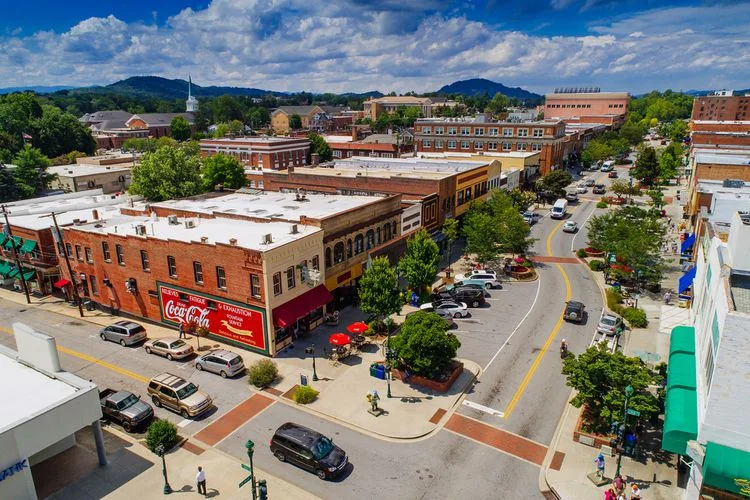
Hendersonville residents face unique restoration challenges due to the region's mountainous terrain, seasonal weather patterns, and diverse housing stock. Professional restoration services address multiple damage types through specialized techniques:
- Water Damage Restoration - Emergency extraction, structural drying, and moisture control
- Flooded Basement - Comprehensive cleanup, waterproofing, and foundation protection
- Sewage Cleanup - Biohazard containment, sanitization, and safe waste removal
- Fire Damage Restoration - Structural assessment, debris removal, and reconstruction planning
- Smoke Damage Restoration - Odor elimination, soot removal, and air quality restoration
- Mold Removal - Professional remediation, air filtration, and prevention strategies
Emergency response teams provide 24/7 availability with rapid deployment to minimize damage progression. Advanced equipment including industrial dehumidifiers, air scrubbers, and thermal imaging cameras enables thorough assessment and efficient restoration.
Common Damage Restoration Issues in Hendersonville, North Carolina
Hendersonville's location in the Blue Ridge Mountains creates specific conditions that contribute to property damage throughout the year. Heavy rainfall, temperature fluctuations, and varying elevations affect how different types of damage develop and spread.
The most frequent restoration challenges include:
- Storm-related water intrusion - Heavy mountain rains overwhelm gutters and drainage systems
- Basement flooding - Groundwater infiltration during prolonged wet periods
- Sewage backups - Aging infrastructure struggles with increased flow during storms
- Chimney and fireplace fires - High usage during mountain winters increases fire risk
- Smoke infiltration - Wildfire smoke from surrounding forests affects indoor air quality
- Mold growth - High humidity levels in valleys promote rapid mold development
Warning signs requiring immediate attention include:
- Visible water stains or discoloration on walls and ceilings
- Musty odors indicating hidden moisture or mold presence
- Warped flooring or swollen door frames
- Persistent smoke odors after fireplace use
- Unexplained increases in utility bills suggesting hidden leaks
Early intervention prevents minor issues from becoming major restoration projects. Professional assessment identifies hidden damage that homeowners often miss during initial inspections.
Neighborhoods We Serve in Hendersonville
Our restoration teams serve all areas of Hendersonville and surrounding Henderson County communities. Coverage includes established neighborhoods, rural properties, and commercial districts throughout the region.
Primary service areas include:
- Downtown Hendersonville - Historic district properties and commercial buildings
- Flat Rock - Residential communities and seasonal properties
- Laurel Park - Mountain homes and established neighborhoods
- Mills River - Rural properties and newer developments
- Fletcher - Suburban communities and commercial areas
- Etowah - Valley properties and agricultural areas
- Mountain Home - Elevated properties with unique access challenges
Rural and mountain properties receive the same rapid response as urban areas. Specialized equipment and vehicles handle challenging terrain and access limitations common in Henderson County's diverse geography.
Seasonal Damage Patterns in Hendersonville
Hendersonville experiences distinct seasonal patterns that influence the types and frequency of property damage throughout the year.
Spring (March-May): Heavy rainfall and snowmelt create peak conditions for water damage and basement flooding. Rapid temperature changes cause pipe bursts and foundation settling.
Summer (June-August): Thunderstorms bring sudden water intrusion and power outages affecting sump pumps. High humidity levels accelerate mold growth in poorly ventilated areas.
Fall (September-November): Increased fireplace use raises fire damage risks. Falling leaves clog gutters, leading to water overflow and roof damage.
Winter (December-February): Freezing temperatures cause pipe bursts and ice dam formation. Heavy snow loads stress roofing systems and create ice-related water intrusion.
Monthly considerations include:
- January-February - Pipe freeze protection and ice dam prevention
- March-April - Storm preparation and drainage system maintenance
- May-June - Mold prevention during humid periods
- July-August - Wildfire smoke preparation and air quality monitoring
- September-October - Chimney cleaning and fire prevention
- November-December - Winterization and emergency preparedness
Housing Characteristics & Restoration Considerations
Hendersonville's housing stock reflects the area's development history, with properties ranging from early 20th-century mountain homes to modern construction. Understanding these characteristics helps restoration professionals address specific vulnerabilities and restoration requirements.
Common housing types and their restoration considerations:
- Historic homes (1900-1950) - Original plumbing and electrical systems require specialized restoration techniques
- Mid-century properties (1950-1980) - Basement construction varies, affecting flood damage response
- Contemporary homes (1980-present) - Modern materials may require different drying and restoration approaches
- Mountain cabins and chalets - Log construction presents unique fire and water damage challenges
- Manufactured homes - Require specialized techniques for structural stability during restoration
Construction materials common to the region include:
- Stone and brick foundations susceptible to water infiltration
- Wood frame construction requiring careful moisture management
- Crawl space designs that trap moisture and promote mold growth
- Older roofing materials that may contain asbestos requiring specialized handling
- Original hardwood floors that expand and contract with moisture changes
Age-related factors affect restoration timelines and techniques. Older properties often require additional structural assessment before beginning restoration work. Modern homes may have better moisture barriers but can trap humidity if ventilation systems fail.
Environmental Conditions & Damage Implications
Hendersonville's mountain environment creates specific conditions that influence how property damage develops and spreads. The region's elevation, climate patterns, and natural features all impact restoration requirements and techniques.
Key environmental factors include:
- Elevation effects - Properties at different elevations experience varying moisture levels and temperature fluctuations
- Mountain drainage patterns - Natural water flow affects basement flooding and foundation water intrusion
- Forest proximity - Wildfire smoke infiltration and increased fire risk from surrounding woodlands
- Soil composition - Clay-rich soils retain water, contributing to foundation moisture problems
- Air quality variations - Valley locations trap pollutants and moisture differently than hillside properties
Climate characteristics affecting restoration include:
- Average annual rainfall of 45-50 inches creating consistent moisture challenges
- Humidity levels ranging from 60-85% promoting rapid mold development
- Temperature swings of 40+ degrees between day and night causing material expansion
- Seasonal freeze-thaw cycles affecting foundation stability and pipe integrity
- Prevailing wind patterns that influence smoke dispersal and drying conditions
These environmental factors require restoration professionals to adapt standard techniques for local conditions. Drying equipment must account for high humidity, while fire damage assessment considers wildfire smoke infiltration. Water extraction procedures accommodate mountain drainage patterns and soil permeability rates.
Mountain Property Challenges & Specialized Restoration Solutions
Hendersonville's mountain location presents unique restoration challenges that require specialized knowledge and equipment. Properties built on slopes, elevated foundations, and varying terrain demand adapted approaches to traditional restoration methods.
Mountain-specific restoration considerations include:
- Access limitations - Narrow mountain roads and steep driveways require specialized equipment transport
- Elevation effects on equipment - Air pressure changes affect dehumidifier efficiency and drying rates
- Drainage complexities - Natural water flow patterns influence basement flooding and foundation issues
- Temperature variations - Significant elevation differences create microclimates affecting restoration timelines
- Seasonal accessibility - Winter weather may limit access to remote properties during restoration projects
Specialized solutions for mountain properties:
- Portable equipment designed for challenging terrain and limited access points
- Modified drying techniques accounting for altitude and atmospheric pressure changes
- Enhanced moisture detection using thermal imaging to identify hidden water intrusion
- Customized ventilation strategies for properties with unique architectural features
- Coordinated logistics for material delivery and waste removal in remote locations
Local restoration teams understand these challenges through years of experience serving Henderson County's diverse geography. Knowledge of specific neighborhoods, seasonal patterns, and common property types enables efficient project planning and execution.
Emergency response protocols account for mountain conditions, including weather monitoring, route planning, and equipment selection. This local expertise ensures that restoration projects proceed efficiently regardless of property location or environmental challenges, minimizing damage progression and reducing overall restoration costs for mountain property owners.





