
Damage Restoration in Thurmont, MD
- Damage Restoration Services Overview
- Common Damage Restoration Issues in Thurmont, Maryland
- Neighborhoods We Serve in Thurmont
- Seasonal Damage Patterns in Thurmont
- Housing Characteristics & Restoration Considerations
- Environmental Conditions & Damage Implications
- Historic Property Restoration Expertise in Thurmont
Damage Restoration Services Overview
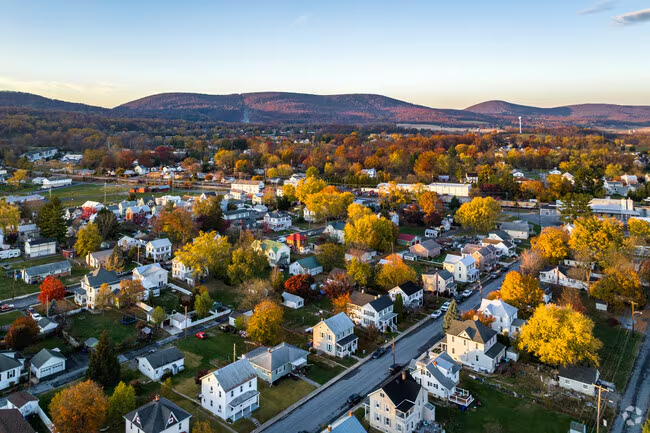
Thurmont's location in the foothills of the Catoctin Mountains creates unique restoration challenges that require specialized expertise. Properties in this historic Maryland community face distinct risks from mountain runoff, seasonal weather patterns, and aging infrastructure that can lead to complex damage scenarios.
Our comprehensive damage restoration services address the full spectrum of property emergencies common to Thurmont residents:
- Water damage restoration from burst pipes, roof leaks, and storm flooding
- Flooded basement cleanup and structural drying services
- Sewage cleanup and sanitization for health safety
- Fire damage restoration including structural repairs
- Smoke damage restoration and odor elimination
- Mold removal and prevention strategies
The interconnected nature of these services means that water damage often leads to mold growth, while fire incidents create both structural and smoke damage issues. Our 24/7 emergency response team understands how quickly damage can escalate in Thurmont's climate, where humidity and temperature fluctuations accelerate deterioration processes.
Common Damage Restoration Issues in Thurmont, Maryland
Thurmont's position near Catoctin Mountain Park and the Monocacy River creates specific damage patterns that property owners encounter regularly. The area's topography channels water toward lower elevations, making basement flooding a persistent concern during heavy rainfall events.
Most frequent restoration challenges include:
- Basement flooding from groundwater infiltration and storm runoff
- Water damage from aging plumbing systems in older homes
- Mold growth in humid basements and crawl spaces
- Sewage backups during heavy rain events that overwhelm municipal systems
- Fire damage from wood-burning stoves and fireplaces common in mountain homes
- Smoke damage from both residential fires and seasonal wildfire smoke
Warning signs that indicate immediate restoration needs:
- Musty odors suggesting hidden mold growth
- Water stains on basement walls or ceilings
- Persistent humidity levels above 60% indoors
- Discolored drywall or peeling paint
- Lingering smoke odors after fireplace use
- Sewage odors from drains or basement areas
The combination of mountain weather patterns and older housing stock means that multiple damage types often occur simultaneously, requiring coordinated restoration approaches that address root causes rather than just surface symptoms.
Neighborhoods We Serve in Thurmont
Our restoration services cover all areas of Thurmont and the surrounding Frederick County communities. We respond to emergencies throughout the historic downtown district, where older commercial buildings face unique restoration challenges from their construction methods and materials.
Service areas include:
- Downtown Thurmont historic district
- Residential neighborhoods along Route 15
- Properties near Catoctin Mountain Park
- Rural homes in the Catoctin foothills
- Lewistown and Sabillasville communities
- Foxville and Cascade surrounding areas
- Emmitsburg border region properties
Each neighborhood presents distinct restoration considerations based on elevation, proximity to water sources, and typical housing characteristics. Mountain properties often require specialized equipment access, while downtown buildings may need historical preservation considerations during restoration work.
Seasonal Damage Patterns in Thurmont
Thurmont's four-season climate creates predictable patterns of damage that property owners can anticipate and prepare for throughout the year.
Spring damage typically involves:
- Basement flooding from snowmelt and spring rains
- Mold growth from increased humidity levels
- Water damage from ice dam melting on roofs
Summer brings different challenges:
- Storm-related water damage from severe thunderstorms
- Sewage backup issues during heavy rainfall events
- Increased fire risk from dry conditions
Fall restoration needs include:
- Smoke damage from increased fireplace and wood stove use
- Water damage from clogged gutters and downspouts
- Mold issues in basements as humidity rises
Winter damage patterns focus on:
- Frozen pipe bursts causing extensive water damage
- Fire damage from heating system malfunctions
- Ice dam formation leading to roof leaks
Housing Characteristics & Restoration Considerations
Thurmont's housing stock reflects its history as a 19th-century mill town, with many properties dating from the 1800s and early 1900s. These older homes present unique restoration challenges due to their construction methods and materials.
Typical housing characteristics affecting restoration:
- Stone and brick foundations susceptible to water infiltration
- Balloon frame construction allowing fire and smoke spread
- Plaster walls requiring specialized water damage techniques
- Knob-and-tube electrical systems increasing fire risk
- Cast iron plumbing prone to sewage backup issues
- Limited insulation promoting mold growth conditions
Newer developments built since the 1970s feature different considerations:
- Basement construction below grade requiring waterproofing
- Modern materials that may contain hazardous substances when burned
- HVAC systems that can distribute smoke throughout properties
- Synthetic materials requiring specialized cleaning techniques
The mix of construction eras means restoration teams must adapt techniques based on each property's specific materials and methods. Historic homes often require preservation-compatible restoration approaches, while newer construction may involve modern synthetic materials requiring specialized handling during fire and smoke damage restoration.
Environmental Conditions & Damage Implications
Thurmont's environmental conditions significantly influence the types and severity of damage that properties experience. The area's location in the Piedmont region creates a humid subtropical climate with distinct seasonal variations that affect restoration needs.
Climate factors impacting restoration:
- Annual precipitation averaging 40+ inches creates persistent moisture issues
- Humidity levels frequently exceeding 70% promote mold growth
- Temperature swings cause expansion and contraction in building materials
- Mountain topography channels water toward lower elevations
Soil conditions around Thurmont affect foundation stability and water management:
- Clay-rich soils retain water and expand during wet periods
- Rocky substrata can redirect groundwater unpredictably
- Shallow bedrock limits drainage options for flooded basements
- Seasonal groundwater fluctuations affect basement moisture levels
Air quality considerations for restoration work:
- Mountain air circulation patterns can trap smoke and odors
- Seasonal pollen increases indoor air quality concerns
- Wildfire smoke from distant fires occasionally affects the region
- High humidity slows drying processes during water damage restoration
These environmental factors require restoration approaches that account for local conditions. Mold removal must address the persistent humidity, while water damage restoration needs enhanced dehumidification due to the climate.
Historic Property Restoration Expertise in Thurmont
Thurmont's rich history as a mill town and gateway to Catoctin Mountain Park means many properties require specialized restoration approaches that preserve historical integrity while addressing modern damage issues. Our team brings decades of experience working with the unique materials and construction methods found in the area's 19th and early 20th-century buildings.
Historic property restoration challenges we regularly address:
- Water damage in stone foundations requiring lime mortar repairs
- Fire damage restoration preserving original timber framing
- Mold removal from horsehair plaster without structural damage
- Smoke damage cleaning of original hardwood floors and trim
- Sewage cleanup in properties with original drainage systems
- Basement flooding solutions that don't compromise historical foundations
Our restoration process for historic Thurmont properties involves:
- Documentation of original materials and construction methods
- Coordination with preservation specialists when required
- Use of compatible materials that match historical standards
- Techniques that preserve architectural details during cleanup
- Integration of modern moisture control with period-appropriate methods
Working with properties near Catoctin Mountain Park and within Thurmont's historic district requires understanding both federal preservation guidelines and local building codes. Our team maintains relationships with preservation consultants and historical societies to ensure restoration work meets both safety standards and historical accuracy requirements.
This specialized knowledge proves invaluable when addressing complex damage scenarios where modern restoration techniques must be adapted to work with traditional building materials and methods found throughout Thurmont's historic neighborhoods.





