
Damage Restoration in Gleneagle, CO
- Damage Restoration Services Overview
- Common Damage Restoration Issues in Gleneagle, Colorado
- Neighborhoods We Serve in Gleneagle
- Seasonal Damage Patterns in Gleneagle
- Housing Characteristics & Restoration Considerations
- Environmental Conditions & Damage Implications
- Wildfire Preparedness and Smoke Damage Prevention in Gleneagle
Damage Restoration Services Overview
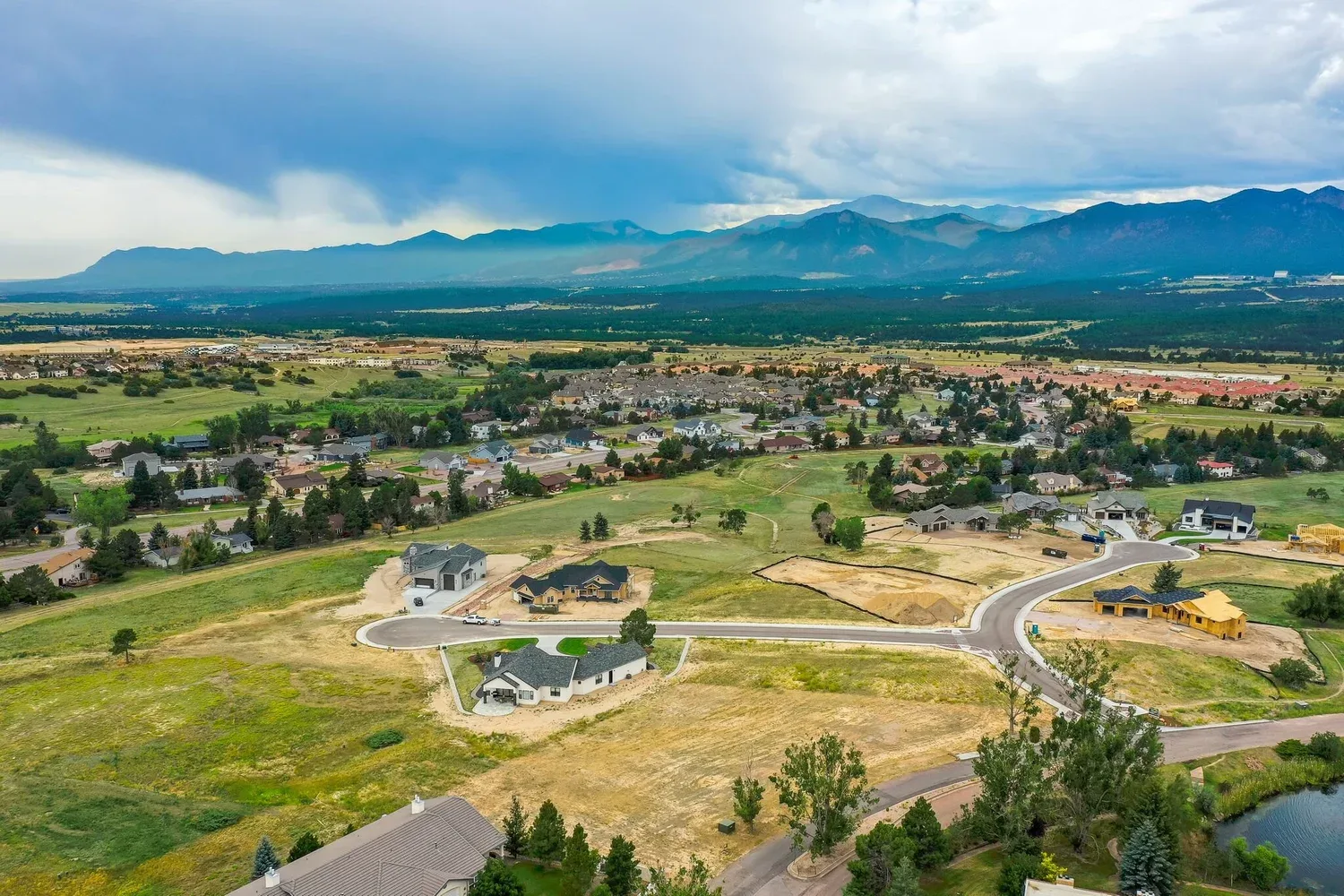
When disaster strikes your Gleneagle property, every minute counts. Water damage can spread rapidly through your home's structure, while fire and smoke residue continue causing damage long after flames are extinguished. Professional restoration services make the difference between minor repairs and catastrophic loss.
RestoPros of Colorado Springs provides comprehensive 24/7 emergency restoration services throughout Gleneagle, addressing the full spectrum of property damage:
- Water damage restoration from burst pipes, appliance failures, and storm flooding
- Flooded basement cleanup and structural drying
- Sewage cleanup with proper sanitization and decontamination
- Fire damage restoration including structural repairs
- Smoke damage restoration removing odors and residue
- Mold removal with complete remediation protocols
With over 25 years of expertise serving Gleneagle residents, our certified technicians respond immediately to minimize damage and begin the restoration process. We work directly with insurance companies and use advanced moisture detection equipment, industrial-grade dehumidifiers, and proven remediation techniques to restore your property to pre-loss condition.
Common Damage Restoration Issues in Gleneagle, Colorado
Gleneagle's location at approximately 7,200 feet elevation creates unique challenges for property owners. The area's dramatic temperature fluctuations and seasonal weather patterns contribute to specific types of property damage.
Winter conditions frequently cause:
- Frozen and burst pipes in basements and crawl spaces
- Ice dam formation leading to roof leaks and water intrusion
- Heating system malfunctions resulting in fire hazards
- Chimney fires from creosote buildup during heavy fireplace use
Spring snowmelt and summer storms create additional risks:
- Flooded basements from rapid snowmelt and inadequate drainage
- Sewer backups during heavy precipitation events
- Lightning strikes causing electrical fires
- Hail damage compromising roof integrity
Year-round concerns include:
- Mold growth in basements due to high groundwater levels
- Smoke damage from wildfire activity in surrounding areas
- HVAC system failures leading to moisture problems
- Appliance malfunctions causing water damage
Early warning signs include musty odors, water stains on ceilings or walls, peeling paint, warped flooring, and visible mold growth around windows or in bathrooms.
Neighborhoods We Serve in Gleneagle
Our restoration services cover all areas within and around Gleneagle, including established neighborhoods and newer developments throughout this growing community.
Primary service areas include:
- Gleneagle Golf Club vicinity and surrounding residential areas
- Pine Creek and Woodmen Road corridor developments
- Flying Horse Ranch and adjacent luxury home communities
- Antelope Ridge and Bent Tree neighborhoods
- Black Forest Road residential properties
- Northgate Boulevard commercial and residential zones
We also provide emergency restoration services to nearby communities including Monument, Palmer Lake, and northern Colorado Springs areas. Our local knowledge of Gleneagle's infrastructure, building codes, and common construction types allows us to respond quickly and effectively to any restoration emergency throughout the region.
Seasonal Damage Patterns in Gleneagle
Understanding seasonal damage patterns helps Gleneagle property owners prepare for and prevent common restoration issues throughout the year.
Winter months (December - February) bring the highest risk of:
- Frozen pipe emergencies requiring immediate water damage restoration
- Chimney and heating system fires needing fire damage restoration
- Ice dam water intrusion leading to flooded basements
Spring (March - May) typically sees increased:
- Basement flooding from snowmelt and spring rains
- Sewer backup incidents requiring sewage cleanup
- Mold discovery as humidity levels rise
Summer (June - August) presents risks from:
- Severe thunderstorms causing water and fire damage
- Wildfire smoke damage from regional fire activity
- HVAC failures leading to moisture problems
Fall (September - November) involves preparation for:
- Heating system maintenance to prevent fire hazards
- Pipe insulation to avoid winter freeze damage
- Mold removal before homes are sealed for winter
Housing Characteristics & Restoration Considerations
Gleneagle's housing stock reflects the community's development over the past three decades, with most homes built between 1990 and 2020. This relatively modern construction presents both advantages and specific challenges for restoration professionals.
Common construction characteristics include:
- Two-story homes with full basements utilizing concrete foundation walls
- Wood frame construction with engineered lumber and modern insulation
- Composite roofing materials designed for Colorado's climate
- Open floor plans that can accelerate smoke and water damage spread
- Vaulted ceilings complicating smoke damage restoration access
Basement considerations for water damage and mold removal:
- Finished basements with carpet and drywall requiring complete replacement when flooded
- Sump pump systems that may fail during power outages
- Window wells prone to water accumulation and leakage
- HVAC systems located in basements vulnerable to water damage
Modern building materials respond differently to restoration techniques. Engineered lumber requires careful drying to prevent warping, while modern insulation materials may need complete replacement after water exposure. Fire damage restoration must account for synthetic materials that produce toxic smoke residue requiring specialized cleanup protocols.
Environmental Conditions & Damage Implications
Gleneagle's high-altitude location and semi-arid climate create specific environmental conditions that directly impact property damage and restoration requirements.
Climate factors affecting restoration needs:
- Low humidity levels (typically 20-40%) that can accelerate drying but complicate mold prevention
- Extreme temperature variations causing material expansion and contraction
- Intense UV exposure at altitude affecting exterior materials and indoor air quality
- Frequent freeze-thaw cycles stressing plumbing and foundation systems
Soil and groundwater conditions impact:
- Clay-rich soils that expand when wet, potentially affecting foundation drainage
- Variable groundwater levels influencing basement moisture and mold growth
- Rocky substrate complicating drainage solutions for flooded basements
- Seasonal water table fluctuations affecting sewage system performance
Air quality considerations for smoke damage restoration:
- Wildfire smoke infiltration requiring specialized filtration and cleaning
- Dry conditions increasing static electricity and dust accumulation
- Wind patterns that can spread smoke damage throughout structures
- High altitude reducing air density and affecting ventilation systems
These environmental factors require restoration professionals to adapt techniques for local conditions, using specialized equipment for high-altitude drying and implementing enhanced filtration systems for smoke damage cleanup.
Wildfire Preparedness and Smoke Damage Prevention in Gleneagle
Gleneagle's proximity to forested areas and interface with wildland zones places the community at elevated risk for wildfire-related damage. The 2012 Waldo Canyon Fire and 2013 Black Forest Fire demonstrated how quickly conditions can change, making smoke damage restoration and fire damage prevention critical concerns for local property owners.
Wildfire smoke infiltration occurs through multiple pathways:
- HVAC system intake vents drawing contaminated air throughout the home
- Window and door seals allowing fine particulate matter to penetrate
- Attic and crawl space ventilation systems becoming conduits for smoke
- Chimney and fireplace flues acting as entry points during negative pressure events
Preventive measures reduce smoke damage restoration needs:
- Install high-efficiency air filtration systems with MERV 13 or higher filters
- Seal gaps around windows, doors, and utility penetrations
- Create positive pressure in homes during smoke events
- Maintain defensible space around properties to reduce fire risk
- Regular HVAC maintenance to prevent system failures during emergencies
When smoke damage occurs, immediate action prevents permanent staining and odor absorption. Professional smoke damage restoration involves specialized cleaning agents, ozone treatment, and thermal fogging to neutralize odors embedded in porous materials. Contents restoration may require off-site cleaning using ultrasonic technology and specialized deodorization chambers.
Fire damage restoration extends beyond visible destruction to include structural assessment, smoke residue removal, and air quality restoration. Modern construction materials in Gleneagle homes can produce toxic compounds when burned, requiring certified professionals with hazmat training to safely complete restoration work.





