
Damage Restoration in West Fargo, ND
- Damage Restoration Services Overview
- Common Damage Restoration Issues in West Fargo, North Dakota
- Neighborhoods We Serve in West Fargo
- Seasonal Damage Patterns in West Fargo
- Housing Characteristics & Restoration Considerations
- Environmental Conditions & Damage Implications
- Red River Valley Flood Preparedness for West Fargo Property Owners
Damage Restoration Services Overview
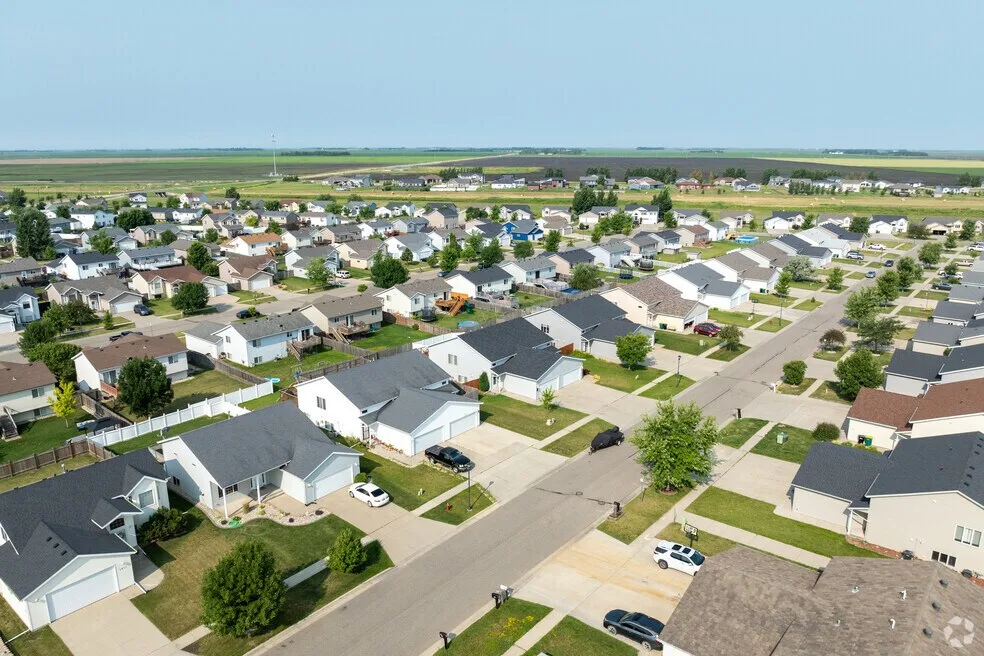
When water pours across a basement floor or smoke settles into every room, knowing a trained crew is on the way changes everything. Professional restoration in West Fargo means the damage stops spreading, documentation gets done properly for insurance, and your property returns to pre-loss condition.
Local restoration teams - including national names like SERVPRO and 1-800 WATER DAMAGE of North Dakota alongside regional specialists - respond around the clock for homes and businesses across Cass County.
- Water Damage Restoration: extraction, moisture mapping, structural drying with air movers and commercial dehumidifiers
- Flooded Basement Cleanup: pump-out, contents handling, drying of finished walls, framing, and subfloors
- Sewage Cleanup: removal of Category 3 contaminated water, disinfection, and safe disposal of porous materials
- Fire Damage Restoration: board-up, debris removal, structural cleaning, and rebuild coordination
- Smoke Damage Restoration: soot removal from surfaces and HVAC systems, odor neutralization, air scrubbing
- Mold Removal: containment, HEPA filtration, removal of affected materials, and moisture source correction
Key benefits West Fargo property owners gain:
- Faster drying that limits secondary mold growth
- IICRC-trained technicians using moisture meters and thermal imaging
- Familiarity with West Fargo building codes for compliant repairs
- Detailed photo and moisture logs that support claims
Common Damage Restoration Issues in West Fargo, North Dakota
West Fargo sits on the flat Red River Valley floodplain, where snowmelt has nowhere to drain quickly and groundwater rides high through spring. That geography, combined with deep frost lines and long heating seasons, drives most restoration calls in the city.
Frequent Causes of Damage
- Spring snowmelt and Sheyenne River backwater saturating yards and seeping through foundation walls
- Frozen and burst supply lines in garages, crawl spaces, and exterior walls during January cold snaps
- Sump pump failure or power loss during storms, leading to flooded basements within hours
- Sanitary sewer backups when heavy rain overwhelms lines, pushing waste up floor drains
- Failed water heaters, washing machine hoses, dishwasher supply lines, and ice maker connections
- Kitchen grease fires, furnace malfunctions, space heaters, and holiday electrical overloads
- Hidden mold behind finished basement paneling and beneath carpet pad after slow leaks
Warning Signs to Watch
- Musty or earthy odor in the lower level, strongest near the floor
- Efflorescence - white chalky residue - on block or poured foundation walls
- Bubbling paint, warped baseboard, or soft drywall corners
- Rusty ring at the base of the water heater or damp sump pit surroundings
- Gurgling floor drains during heavy rainfall
- Lingering smoke smell that returns when the furnace or A/C runs
- Recurring allergy or respiratory symptoms that improve away from home
Acting on these signals early usually keeps a small drying project from becoming a full reconstruction.
Neighborhoods We Serve in West Fargo
Restoration crews cover the entire city plus surrounding Cass County communities, with coverage areas that include:
- Eagle Run and The Preserve - newer subdivisions with deep, largely finished basements
- Osgood and Osgood Township area - mixed newer construction and townhomes near Sheyenne Street
- Brooks Harbor and Elmwood - family neighborhoods near the Sheyenne River corridor
- Westport Beach, Willow Park, and Rendezvous - established residential areas along 13th Avenue
- Downtown West Fargo and the Main Avenue corridor - older homes and commercial storefronts
- Sheyenne Crossing, Deer Creek, and Sunset Estates - subdivisions on the western edge
Service also extends to Horace, Harwood, Mapleton, Reile's Acres, Briarwood, Frontier, and neighboring Fargo and Moorhead. Commercial response includes Sheyenne 17th business district properties, schools, clinics, restaurants, and warehouse space along the I-94 and I-29 interchanges.
Seasonal Damage Patterns in West Fargo
Winter (December - February)
- Frozen and ruptured pipes during subzero stretches and wind chill events
- Ice damming at eaves causing ceiling and attic water damage
- Peak fire and smoke damage season from furnaces, fireplaces, and heaters
Spring (March - May)
- Highest volume of flooded basements as Red River Valley snowmelt raises groundwater
- Sump pump overload and failure; foundation seepage and window well flooding
- Sewer backups when melt and rain hit the sanitary system at once
Summer (June - August)
- Severe thunderstorms, hail, and wind-driven rain causing roof and wall intrusion
- Power outages disabling sump pumps
- Mold growth accelerating in humid basements and behind vinyl wall coverings
- Grilling and outdoor fire incidents that spread to structures
Fall (September - November)
- Post-summer mold discovery during seasonal cleaning and closing up the house
- Hose bib and irrigation line failures from early freezes
- Heating system startup revealing smoke odor and soot distribution issues
Housing Characteristics & Restoration Considerations
West Fargo grew fast, so its housing stock splits into distinct eras - and each responds differently to water, smoke, and mold.
Older Core Homes (pre-1970)
- Concrete block or poured foundations with hairline cracks and clay tile drainage
- Plaster walls that hold moisture longer than drywall and need slower, monitored drying
- Cast iron and galvanized plumbing prone to scale and joint failure
- Possible asbestos-containing floor tile or pipe wrap requiring testing before demolition
1980s - 2000s Homes
- Finished basements with carpet, pad, and paneling - highly absorbent and quick to grow mold
- Original sump systems near or past service life
- Ductwork in basement ceilings that spreads smoke and spores through the whole house
Newer Construction (2005 - present)
- Deep nine-foot basements that hold more water volume when flooding occurs
- Tight building envelopes and spray foam that trap moisture inside wall cavities
- Engineered subfloors and OSB that swell and delaminate rather than dry flat
- PEX manifolds that reduce joint failures but still freeze in exterior walls
Townhomes, apartments, and duplexes along Sheyenne Street add shared-wall complications: water and smoke migrate between units, so containment, negative air, and multi-unit moisture mapping become part of the plan. Crews trained in West Fargo permitting handle egress windows, basement finishing, and electrical rebuilds to current code.
Environmental Conditions & Damage Implications
The local environment shapes nearly every restoration decision made in West Fargo.
Soil and Groundwater
- Heavy Fargo-series clay soil drains slowly and expands when saturated, pressing against foundation walls
- Flat valley topography leaves little natural runoff gradient, so meltwater pools against homes
- High spring water table forces hydrostatic pressure through cove joints and floor cracks
- Clay heave and shrink cycles open new seepage paths year after year
Climate Extremes
- Temperature swings from roughly 30 below to 100 degrees stress plumbing and building materials
- Long heating season with sealed homes concentrates smoke odor and indoor humidity
- Summer dew points in the 60s and 70s make unconditioned basements prime mold territory
- Winter drying requires heated air and desiccant dehumidification rather than open windows
Water and Air Quality
- Hard, mineral-rich municipal water accelerates water heater and fixture corrosion
- Agricultural dust and spring field activity add particulate load that complicates post-fire air cleaning
- Regional wildfire smoke drift in late summer can layer odor onto existing smoke damage
Because of these conditions, thorough drying matters more here than in drier climates - moisture readings inside wall cavities and subfloors guide when equipment comes out, not a calendar. Sewage cleanup gets extra attention too, since saturated clay slows infiltration and keeps contaminants near the surface.
Red River Valley Flood Preparedness for West Fargo Property Owners
Spring flooding is a shared reality in the valley, and West Fargo homeowners who plan ahead consistently see smaller losses. Preparation and rapid response work together.
Before the Melt
- Test the sump pump by filling the pit and confirming full discharge; verify the check valve holds
- Add a battery backup or water-powered secondary pump for outage protection
- Extend discharge lines at least ten feet from the foundation and away from neighboring lots
- Clear snow from around foundation walls, window wells, and basement egress openings
- Install or inspect a backwater valve to reduce sewer backup risk
- Move stored boxes, keepsakes, and electronics onto shelving off the floor
- Photograph finished basement spaces and contents for insurance documentation
- Confirm whether your policy includes sump overflow and sewer backup endorsements
When Water Arrives
- Shut off power to affected areas before entering standing water
- Treat any water containing sewage as contaminated - avoid contact and keep children and pets clear
- Call for professional extraction promptly; drying begun within the first day dramatically lowers mold risk
- Save damaged material samples and keep receipts for emergency purchases
What Professional Response Looks Like
- Inspection with moisture meters and thermal imaging to map hidden saturation
- Extraction of standing water with truck-mounted and portable pumps
- Controlled removal of unsalvageable carpet pad, insulation, and lower drywall
- Antimicrobial application and disinfection, especially after sewage exposure
- Strategic air mover and dehumidifier placement with daily moisture readings
- Reconstruction of finishes once materials reach dry standard
The same disciplined sequence applies after fire and smoke events, where extinguishing water often creates a water damage project layered on top of soot and odor remediation.





