
Damage Restoration in Westminster, MD
- Damage Restoration Services Overview
- Common Damage Restoration Issues in Westminster, Maryland
- Neighborhoods We Serve in Westminster
- Seasonal Damage Patterns in Westminster
- Housing Characteristics & Restoration Considerations
- Environmental Conditions & Damage Implications
- Carroll County Soil Challenges & Basement Water Restoration
Damage Restoration Services Overview
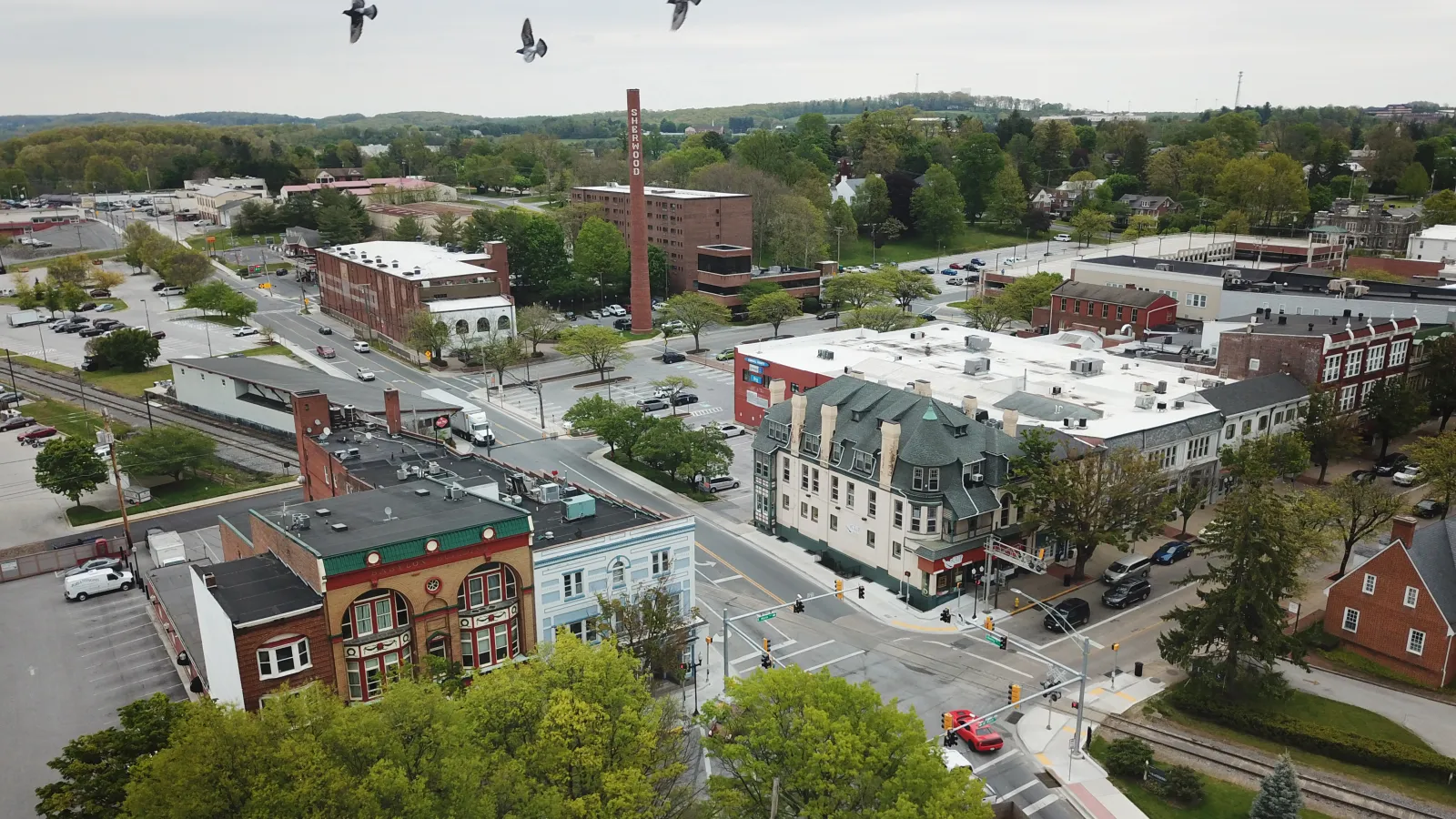
Property damage demands immediate attention to prevent secondary issues that multiply restoration costs. Whether water has invaded your Westminster home through basement walls or fire has left smoke residue throughout your property, rapid response makes the difference between minor repairs and major reconstruction.
Our comprehensive damage restoration services address the full spectrum of property emergencies facing Westminster residents:
- Water Damage Restoration - Extraction, drying, and structural repairs from burst pipes, appliance failures, and storm infiltration
- Flooded Basement - Specialized groundwater removal and moisture control for Carroll County's challenging soil conditions
- Sewage Cleanup - Safe removal and sanitization of contaminated water with proper biohazard protocols
- Fire Damage Restoration - Structural cleaning, debris removal, and reconstruction coordination
- Smoke Damage Restoration - Odor elimination, soot removal, and air quality restoration
- Mold Removal - Professional remediation with containment and prevention strategies
Each service follows IICRC standards with certified technicians who understand Westminster's unique environmental challenges. Our 45-60 minute emergency response times help minimize damage progression, while detailed documentation supports insurance claims through Xactimate reporting.
Common Damage Restoration Issues in Westminster, Maryland
Carroll County's clay-heavy soil composition creates persistent drainage challenges that affect Westminster properties year-round. This geological reality, combined with aging infrastructure and seasonal weather patterns, produces specific damage scenarios requiring specialized restoration approaches.
The most frequent restoration issues include:
- Basement water intrusion - Clay soil prevents proper drainage, forcing groundwater through foundation walls and overwhelming sump pumps
- Sewage backups - Older sewer lines struggle with increased capacity during heavy rainfall periods
- Mold growth - High humidity levels in basements and crawl spaces create ideal conditions for microbial development
- Fire damage from heating systems - Older furnaces and wood-burning appliances increase fire risks during winter months
- Smoke infiltration - Dense construction materials in historic Westminster homes trap smoke particles and odors
Warning signs requiring immediate attention include:
- Standing water in basements after storms
- Musty odors indicating hidden moisture
- Discolored walls or ceilings suggesting water damage
- Visible mold growth in damp areas
- Persistent smoke smells after fires
- Sewage odors from drains or basement areas
Early intervention prevents these issues from escalating into major structural problems requiring extensive reconstruction.
Neighborhoods We Serve in Westminster
Our restoration teams provide comprehensive damage repair services throughout Westminster and surrounding Carroll County communities. We respond to emergencies across all residential and commercial areas, understanding the unique characteristics of each neighborhood.
Primary service areas include:
- Downtown Westminster - Historic district properties with unique restoration requirements
- Westminster East - Established residential communities near Route 140
- Cranberry Station - Newer developments with modern construction challenges
- Wakefield Valley - Rural properties with well water and septic considerations
- Carrollton - Mixed residential and commercial restoration needs
- Finksburg - Surrounding community coverage for comprehensive regional service
- Hampstead - Northern Carroll County properties requiring specialized rural restoration approaches
Each area presents distinct restoration challenges based on construction age, soil conditions, and infrastructure systems. Our technicians adapt restoration protocols to match specific neighborhood characteristics while maintaining consistent service standards.
Seasonal Damage Patterns in Westminster
Westminster's four-season climate creates predictable damage patterns that affect restoration planning and emergency preparedness. Understanding these seasonal trends helps property owners recognize potential issues before they become major problems.
Spring (March-May) brings the highest water damage risks as snowmelt combines with spring rains to overwhelm drainage systems. Basement flooding peaks during this period, while mold growth accelerates in damp conditions.
Summer (June-August) features severe thunderstorms that cause flash flooding and power outages. Air conditioning failures increase humidity levels, promoting mold development in poorly ventilated areas.
Fall (September-November) presents fire risks as heating systems restart after summer dormancy. Chimney fires and furnace malfunctions create smoke damage scenarios requiring specialized restoration.
Winter (December-February) generates frozen pipe bursts and ice dam water damage. Heating system overuse increases fire risks, while poor ventilation traps smoke and moisture indoors.
- Peak water damage months: March, April, May
- Highest mold risk periods: Late spring through early fall
- Fire damage season: October through February
- Sewage backup frequency: Spring and late summer
Housing Characteristics & Restoration Considerations
Westminster's diverse housing stock spans multiple construction eras, each presenting unique restoration challenges. Properties range from 19th-century historic homes to modern developments, requiring specialized approaches based on construction materials and methods.
Housing characteristics affecting restoration include:
- Historic homes (pre-1940) - Stone foundations, plaster walls, and original hardwood floors require careful water extraction and specialized drying techniques
- Mid-century properties (1940-1980) - Concrete block foundations and drywall construction allow faster water damage restoration but may harbor mold in wall cavities
- Modern construction (post-1980) - Improved insulation and vapor barriers complicate moisture removal but provide better fire resistance
- Basement configurations - Full basements in 75% of Westminster homes create significant water damage vulnerability
Construction-specific restoration considerations:
- Stone foundations require specialized waterproofing after water damage
- Plaster walls need careful moisture monitoring to prevent cracking during drying
- Hardwood floors may require refinishing or replacement depending on water exposure duration
- Modern HVAC systems can distribute smoke and mold spores throughout properties
- Insulation materials often require removal and replacement after water or fire damage
Our restoration protocols adapt to each property's construction characteristics, preserving historic elements while implementing modern damage mitigation techniques.
Environmental Conditions & Damage Implications
Westminster's environmental conditions significantly influence damage patterns and restoration requirements. The region's humid subtropical climate, combined with specific geological features, creates unique challenges for property restoration professionals.
Key environmental factors include:
- Soil composition - Heavy clay content throughout Carroll County impedes drainage, contributing to basement water intrusion and foundation moisture issues
- Humidity levels - Average relative humidity of 65-75% promotes mold growth in damaged areas within 24-48 hours
- Precipitation patterns - Annual rainfall of 42 inches with intense summer storms creating flash flood conditions
- Groundwater table - Seasonal fluctuations affect basement moisture levels and sewage system capacity
These conditions impact restoration approaches:
- Water damage requires aggressive dehumidification to prevent secondary mold growth
- Sewage cleanup must address groundwater contamination risks
- Fire damage restoration includes moisture control to prevent post-fire mold development
- Basement flooding demands specialized pumping and drainage solutions
- Smoke damage removal requires extended air filtration due to humidity retention
Our restoration equipment and techniques account for Westminster's environmental challenges, using commercial-grade dehumidifiers, air movers, and moisture monitoring systems designed for high-humidity conditions. Temperature and humidity control remains active throughout the restoration process to prevent secondary damage development.
Carroll County Soil Challenges & Basement Water Restoration
Carroll County's distinctive geological composition presents unique challenges for basement water damage restoration that require specialized knowledge and equipment. The region's clay-heavy soil, formed from ancient geological processes, creates nearly impermeable barriers that prevent natural water drainage and force groundwater against foundation walls.
This soil composition affects Westminster properties through several mechanisms:
- Hydrostatic pressure buildup - Clay soil prevents water absorption, creating pressure against basement walls that can force water through microscopic foundation cracks
- Seasonal expansion and contraction - Clay soil swells when wet and shrinks when dry, creating foundation movement that opens new water entry points
- Poor surface drainage - Water pools around foundations rather than draining away, increasing infiltration risks
- Sump pump overwhelm - Sudden water volume during storms exceeds pump capacity, leading to basement flooding
Professional basement water restoration in Westminster requires understanding these soil-specific challenges:
- Rapid water extraction using truck-mounted pumps designed for high-volume removal
- Comprehensive moisture detection including behind-wall scanning for hidden saturation
- Strategic dehumidifier placement accounting for clay soil's moisture retention properties
- Foundation assessment to identify pressure-related damage requiring repair
- Preventive recommendations including improved drainage and waterproofing systems
Our restoration approach combines immediate water removal with long-term moisture control strategies. IICRC-certified technicians use thermal imaging cameras to identify hidden moisture in walls and floors, while commercial-grade equipment maintains optimal drying conditions despite Carroll County's challenging environmental factors. This comprehensive methodology prevents mold development and structural damage while addressing the root causes of basement water intrusion.





