
Damage Restoration in Sedona, AZ
- Damage Restoration Services Overview
- Common Damage Restoration Issues in Sedona, Arizona
- Neighborhoods We Serve in Sedona
- Seasonal Damage Patterns in Sedona
- Housing Characteristics & Restoration Considerations
- Environmental Conditions & Damage Implications
- Flash Flood and Arroyo Management for Property Protection
Damage Restoration Services Overview
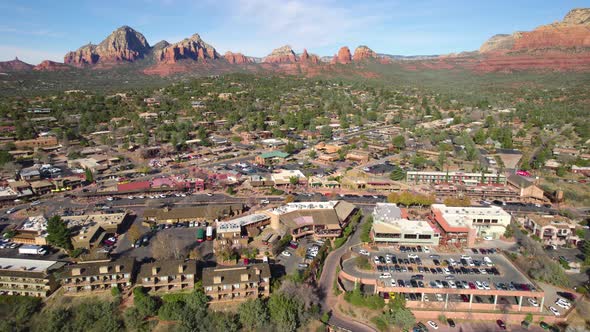
Sedona's dramatic red rock landscape and unique high desert climate create distinct restoration challenges that require specialized expertise. The combination of monsoon seasons, flash flooding potential, and dry conditions make properties vulnerable to various types of damage throughout the year.
Professional restoration services address the full spectrum of damage scenarios that Sedona residents face:
- Water Damage Restoration - From burst pipes to storm flooding, comprehensive water extraction and structural drying
- Flooded Basement - Specialized basement water removal and moisture control for lower-level spaces
- Sewage Cleanup - Safe, sanitary removal of contaminated water and complete disinfection
- Fire Damage Restoration - Structural repairs, soot removal, and complete property rehabilitation
- Smoke Damage Restoration - Odor elimination, surface cleaning, and air quality restoration
- Mold Removal - Professional remediation and prevention strategies for Arizona's unique climate
Local restoration professionals understand Sedona's specific environmental factors, from the impact of red rock dust on HVAC systems to how elevation affects drying processes. Quick response times matter especially during monsoon season when humidity levels spike and secondary damage can develop rapidly.
Common Damage Restoration Issues in Sedona, Arizona
Sedona's unique geography and climate patterns create specific restoration challenges that property owners should recognize. The high desert environment combined with seasonal weather extremes leads to distinct damage patterns throughout the year.
Monsoon season brings the most dramatic restoration needs:
- Flash flooding from sudden downpours overwhelming drainage systems
- Roof damage from high winds and hail leading to water intrusion
- Basement flooding when storm water exceeds capacity
- Sewage backups during heavy rainfall events
Dry season conditions create different but equally serious concerns:
- Wildfire smoke infiltration requiring specialized air quality restoration
- Fire damage from increased wildfire risk during drought periods
- Mold growth in hidden moisture areas despite dry outdoor conditions
- HVAC system failures leading to indoor water damage
Warning signs property owners should monitor include:
- Musty odors indicating hidden moisture or mold development
- Water stains on ceilings or walls suggesting roof or plumbing issues
- Persistent smoke odors after wildfire activity in surrounding areas
- Unusual humidity levels in typically dry indoor spaces
- Discolored or warped flooring materials
Early detection and professional assessment prevent minor issues from becoming major restoration projects.
Neighborhoods We Serve in Sedona
Our restoration teams provide comprehensive services throughout Sedona's diverse communities and surrounding areas. Each neighborhood presents unique characteristics that influence restoration approaches and response strategies.
Primary service areas include:
- West Sedona - Established residential areas with varied home ages and styles
- Uptown Sedona - Historic properties and commercial buildings requiring specialized restoration
- Oak Creek Canyon - Creek-adjacent properties with unique flooding and moisture challenges
- Village of Oak Creek - Newer developments with modern construction considerations
- Red Rock Country - Custom homes built into challenging terrain
- Chapel Area - Mix of residential and commercial properties
- Coffee Pot Rock - Hillside homes with drainage and access considerations
Extended service coverage reaches surrounding communities including Cornville, Cottonwood, and Jerome. Response times vary based on location, but emergency services prioritize rapid deployment regardless of specific neighborhood or terrain challenges.
Seasonal Damage Patterns in Sedona
Sedona's seasonal weather patterns create predictable damage restoration needs throughout the year. Understanding these cycles helps property owners prepare and recognize when professional services become necessary.
Monsoon Season (July - September) brings peak restoration activity:
- Water damage from flash flooding and roof leaks
- Basement flooding during intense rainfall events
- Sewage backups when systems become overwhelmed
- Increased mold risk due to elevated humidity levels
Fall/Winter (October - February) presents fire-related concerns:
- Wildfire smoke damage during dry, windy conditions
- Structural fire damage from increased heating system use
- Freeze damage to plumbing systems during cold snaps
- Roof damage from occasional winter storms
Spring (March - June) creates transitional challenges:
- Mold discovery as temperatures warm and humidity fluctuates
- Water damage from aging winter-stressed plumbing
- Early wildfire season smoke infiltration
- HVAC system failures as cooling demands increase
Peak demand periods require advance planning, with restoration services experiencing highest call volumes during monsoon season and immediately following major weather events.
Housing Characteristics & Restoration Considerations
Sedona's housing stock reflects decades of development adapted to challenging terrain and climate conditions. These characteristics significantly influence restoration approaches and material selection for various damage scenarios.
Typical construction features affecting restoration include:
- Adobe and stucco exteriors - Require specialized drying techniques for water damage
- Tile and concrete floors - Present unique challenges for water extraction and mold prevention
- Exposed beam construction - Complicates smoke damage restoration and structural assessments
- Multi-level designs - Create complex water flow patterns during flooding events
Age-related restoration considerations vary by neighborhood:
- Older homes (1960s-1980s) may have outdated plumbing systems prone to failure
- Mid-era construction (1990s-2000s) often features materials requiring specific restoration methods
- Newer builds (2010s-present) incorporate modern materials but may lack adequate drainage planning
Foundation types common in Sedona include slab-on-grade and raised foundations. Slab foundations require specialized water extraction equipment, while raised foundations allow better access for drying but create additional mold risk in crawl spaces. Many properties feature basements carved into red rock formations, presenting unique challenges for flooded basement restoration due to natural seepage and limited ventilation options.
Environmental Conditions & Damage Implications
Sedona's high desert environment at 4,350 feet elevation creates distinct conditions that influence damage patterns and restoration requirements. The combination of low humidity, intense UV exposure, and dramatic temperature swings affects how materials respond to various types of damage.
Climate factors impacting restoration work include:
- Low annual humidity (20-30%) - Accelerates drying but can cause material shrinkage and cracking
- Intense solar radiation - Degrades exterior materials and affects indoor temperature control
- 40+ degree daily temperature swings - Stress building materials and create expansion/contraction issues
- Alkaline soil conditions - Affect foundation drainage and groundwater quality
Red rock dust infiltration presents ongoing challenges:
- HVAC system contamination requiring specialized cleaning after smoke damage
- Accelerated wear on building materials increasing fire and water damage susceptibility
- Complicated air quality restoration due to natural particulate levels
Seasonal wind patterns influence smoke damage restoration timing and techniques. Spring winds can carry wildfire smoke from distant sources, while monsoon season creates downdrafts that push contaminated air into lower elevations. The area's porous red sandstone affects drainage patterns around foundations, creating unique considerations for basement flooding and sewage cleanup projects. Understanding these environmental factors allows restoration professionals to select appropriate materials and techniques that account for Sedona's challenging conditions.
Flash Flood and Arroyo Management for Property Protection
Sedona's dramatic topography includes numerous arroyos and natural drainage channels that can transform from dry creek beds to raging torrents during monsoon storms. These geological features create unique water damage scenarios that require specialized restoration approaches and preventive strategies.
Properties near arroyos face distinct flooding challenges:
- Sudden water surges carrying debris and sediment
- Basement flooding from overwhelmed natural drainage systems
- Sewage system backups when municipal infrastructure reaches capacity
- Foundation undermining from redirected water flow
Comprehensive restoration services for flash flood damage include:
- Emergency water extraction using truck-mounted equipment capable of handling debris-laden water
- Sediment and debris removal from basements and lower-level spaces
- Structural assessment to identify foundation damage and stability concerns
- Complete sanitization addressing contamination from mixed floodwater sources
- Advanced drying systems designed for high-moisture scenarios in low-humidity environments
- Mold prevention protocols accounting for rapid moisture changes in desert conditions
Post-restoration improvements help prevent future damage. Professional teams assess drainage patterns around properties and recommend modifications to redirect water flow away from structures. This includes evaluating landscaping choices that either enhance or impede natural drainage, installing French drains or other subsurface systems, and improving basement waterproofing systems.
The restoration process also addresses smoke damage that often accompanies flood events, as electrical systems and appliances may malfunction and create secondary fire hazards. Complete property rehabilitation ensures all systems function properly and safely following major water intrusion events.





