
Damage Restoration in Montpelier, VT
- Damage Restoration Services Overview
- Common Damage Restoration Issues in Montpelier, Vermont
- Neighborhoods We Serve in Montpelier
- Seasonal Damage Patterns in Montpelier
- Housing Characteristics & Restoration Considerations
- Environmental Conditions & Damage Implications
- Flood Resiliency and Recovery for Montpelier Properties
Damage Restoration Services Overview
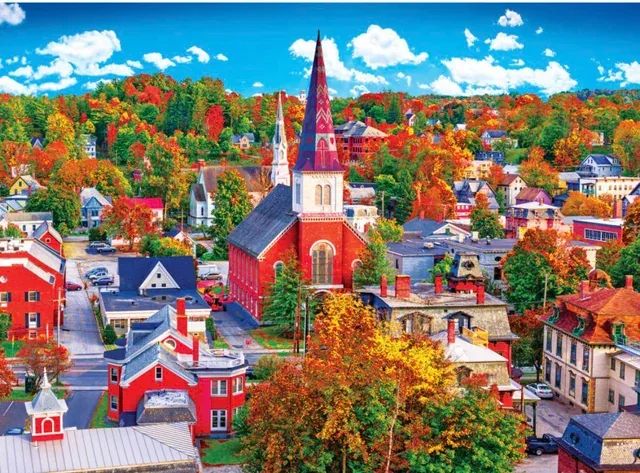
Montpelier holds the distinction of being the smallest state capital in the United States - and one of the few built directly at the confluence of two rivers. The Winooski River and the North Branch meet just blocks from the State House, which means flood risk is written into the city's geography. The City of Montpelier has actively sought qualified professionals to develop flood repair and building resiliency retrofit plans, a clear signal of how seriously local property owners take water intrusion.
Restoration work in this area covers a connected set of problems, and most properties need more than one service at once:
- Water Damage Restoration - extraction, structural drying, and moisture mapping after river flooding, burst pipes, or appliance failures
- Flooded Basement - pump-out, sanitizing, and dehumidification for below-grade spaces that hold moisture long after standing water is gone
- Sewage Cleanup - containment and disinfection after backups, with safe disposal of contaminated porous materials
- Fire Damage Restoration - debris removal, structural stabilization, and recovery of salvageable belongings
- Smoke Damage Restoration - soot removal from surfaces and HVAC systems plus odor neutralization
- Mold Removal - source identification, containment barriers, and safe remediation of affected materials
Acting quickly limits secondary damage, protects indoor air quality, and keeps repair scope from expanding into framing, insulation, and finishes.
Common Damage Restoration Issues in Montpelier, Vermont
Montpelier's terrain, river system, and older building stock create a distinct set of recurring problems for property owners.
Local Causes of Damage
- River flooding - the Winooski and North Branch rise fast during heavy rain and rapid snowmelt, pushing water into downtown basements and ground floors
- Ice jams - winter ice buildup restricts river flow and forces water over banks in unpredictable directions
- Frozen and burst pipes - uninsulated crawl spaces and older supply lines fail during deep cold snaps
- Ice dams - snow-loaded roofs melt unevenly, sending water behind fascia and into wall cavities
- Overwhelmed sewer lines - stormwater surges can push sewage backward into floor drains and basement fixtures
- Heating equipment fires - wood stoves, pellet stoves, and older furnaces run hard through long Vermont winters
- Hillside runoff - properties on Montpelier's steep slopes take on water at foundation walls during spring thaw
Warning Signs Worth Investigating
- Musty odors in basements, stairwells, or closets that never fully clear
- Efflorescence, chalky white staining, or bubbling paint on foundation walls
- Cupping or gapping in hardwood floors above a crawl space
- Persistent smoke odor that returns on humid days after a small fire
- Gurgling floor drains or slow-draining basement fixtures during storms
- Dark spotting on ceiling tiles, subfloor edges, or behind stored boxes
Catching these early usually means drying and treating rather than demolition and rebuild.
Neighborhoods We Serve in Montpelier
Response covers the full city and the surrounding Washington County communities, with attention to the different risk profiles each area carries.
- Downtown and State Street - historic commercial blocks with below-grade storage and mixed-use upper floors
- Meadow and River Street - low-lying parcels closest to the Winooski floodplain
- North Branch and Elm Street - properties along the North Branch corridor prone to backwater flooding
- Hubbard Park area and Terrace Street - hillside homes managing slope runoff and foundation seepage
- Berlin Street and Northfield Street corridors - mix of older single-family homes and multi-unit rentals
- College Street and Sabin's Pasture area - residential streets with mature tree cover and aging drainage
Service also extends to Barre, Berlin, Middlesex, East Montpelier, Northfield, Waterbury, and Worcester.
Seasonal Damage Patterns in Montpelier
Restoration demand in central Vermont follows a fairly predictable annual rhythm.
- December through February - frozen pipe breaks peak during subzero stretches. Heating-related fire and smoke damage rises as wood stoves and furnaces run continuously. Ice dams begin forming on north-facing roof planes.
- March and April - snowmelt combined with rain drives the heaviest flooded basement season. Saturated ground and frozen subsoil send water toward foundations rather than into the soil. Ice jams can back rivers up quickly.
- May and June - moisture trapped over winter surfaces as mold growth. Sump pumps that ran hard all spring begin failing. Sewage backups increase as storm volume tests older lines.
- July and August - thunderstorms and remnants of tropical systems bring flash flooding. High humidity accelerates mold in basements and crawl spaces that were never fully dried.
- September and October - heavy autumn rain and clogged gutters cause roof and wall water intrusion. Chimney and flue issues appear as heating season starts.
- November - first freeze exposes vulnerable plumbing and unprotected hose bibs.
Housing Characteristics & Restoration Considerations
Montpelier's housing stock skews old by national standards, with a large share of homes built before 1940 and a notable concentration of nineteenth-century construction downtown and on the surrounding hillsides.
Construction Types Common in the Area
- Victorian and Federal-era wood frame homes - balloon framing allows water and smoke to travel vertically inside wall cavities with no fire stops
- Stone and rubble foundations - porous, mortar-jointed walls that wick groundwater and hold moisture against sill plates
- Fieldstone and brick basements - irregular surfaces that make sewage disinfection detail-intensive
- Converted multi-family properties - shared plumbing stacks that spread water damage across units
- Post-war capes and ranches - shallow crawl spaces with limited access and minimal vapor barriers
- Newer construction in outlying areas - tighter envelopes that trap moisture when drying is incomplete
How Age Affects the Restoration Approach
- Plaster and lath dry far more slowly than modern drywall and need extended monitoring
- Original wood trim, stair parts, and flooring warrant careful cleaning rather than replacement wherever possible
- Pre-1980 buildings may contain asbestos or lead paint, requiring testing before demolition or aggressive cleaning
- Knob-and-tube or updated-in-layers wiring needs evaluation after any fire or water event
- Stone foundations rarely dry on their own and typically require targeted dehumidification and airflow
Environmental Conditions & Damage Implications
Central Vermont's climate and geology influence how quickly damage develops and how long drying takes.
Climate Factors
- Long, cold winters with extended subzero periods that stress plumbing and heating systems
- Roughly 40 inches of annual precipitation plus heavy seasonal snowfall
- Humid summers where outdoor dew points make ventilation alone ineffective for drying
- Sharp freeze-thaw cycling that opens cracks in foundations, masonry, and mortar joints
Soil, Water, and Air Considerations
- Glacial till and clay-heavy soils drain slowly, holding hydrostatic pressure against basement walls for days after rain
- Shallow bedrock in hillside neighborhoods redirects groundwater laterally toward foundations
- Valley cold-air drainage keeps humidity high in low-lying areas, slowing natural evaporation
- Well water in outlying towns can carry iron and mineral content that stains materials after flooding
- Tight winter envelopes concentrate smoke odor and mold spores indoors when homes are sealed for months
These conditions mean that surface dryness is misleading. Moisture meters, thermal imaging, and cavity readings determine whether a structure is genuinely dry - and whether mold growth has already started behind finishes.
Flood Resiliency and Recovery for Montpelier Properties
Montpelier property owners have lived through enough high-water events to know that recovery is only half the job. The city's push for building resiliency retrofits reflects a broader shift toward preparing structures before the next event rather than simply repairing after it.
What a Thorough Flood Response Includes
- Safety and utility assessment - evaluating electrical, gas, and structural conditions before anyone enters standing water
- Water category determination - river floodwater and sewage backups are handled as contaminated and require different protocols than clean supply-line breaks
- Extraction and bulk removal - pumping standing water and removing saturated contents, insulation, and unsalvageable materials
- Containment - sealing affected zones so contaminants and spores do not spread to unaffected floors
- Antimicrobial treatment - disinfecting framing, slabs, and masonry after contaminated water exposure
- Controlled structural drying - air movers and dehumidifiers positioned to reach wall cavities, subfloors, and stone foundations
- Daily moisture documentation - readings logged until materials reach verified dry standards
- Mold verification - post-drying inspection to confirm no hidden growth remains
Details That Prevent Repeat Damage
- Checking sill plates and rim joists, where moisture hides longest in older Montpelier homes
- Cleaning and testing HVAC ductwork after fire, smoke, or sewage events
- Documenting damage thoroughly with photos and readings for insurance and flood claims
- Identifying grading, gutter, and sump discharge issues that funnel water back toward foundations
- Recommending elevated mechanicals, flood vents, and moisture-tolerant materials during rebuild
Careful sequencing protects belongings, preserves historic character, and reduces the chance of returning to the same basement after the next storm.





