
Damage Restoration in Barre, VT
- Damage Restoration Services Overview
- Common Damage Restoration Issues in Barre, Vermont
- Neighborhoods We Serve in Barre
- Seasonal Damage Patterns in Barre
- Housing Characteristics & Restoration Considerations
- Environmental Conditions & Damage Implications
- 24/7 Emergency Response for Barre Flood and Fire Emergencies
Damage Restoration Services Overview
When the July 2023 floods swept through central Vermont, some Barre homeowners faced repair estimates topping $200,000 - and many of those properties were damaged not by the storm itself, but by water that lingered in basements for days afterward. That delay is what separates a manageable cleanup from a gut renovation.
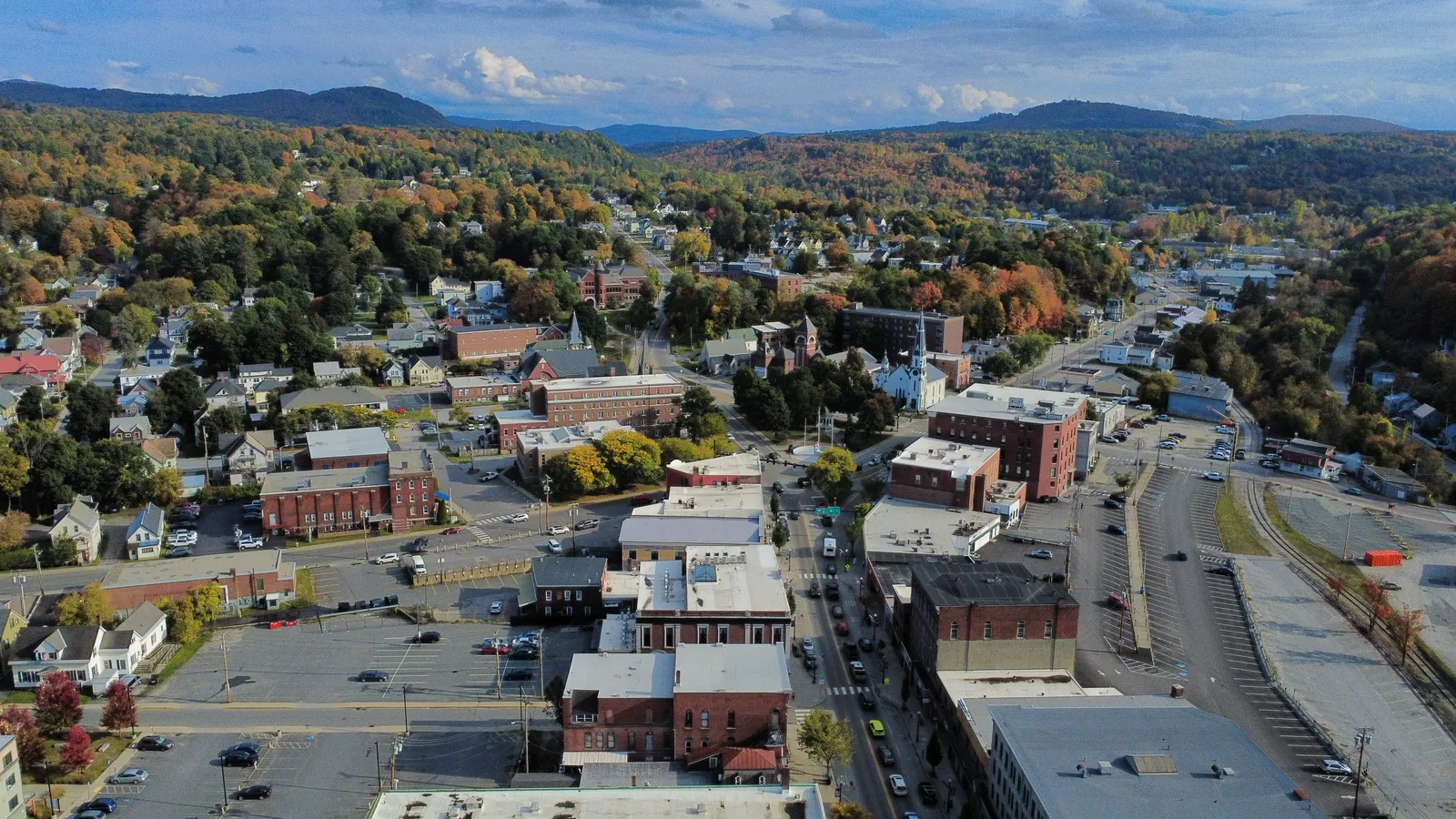
Barre properties sit in a granite valley where the Stevens Branch, aging municipal sewer lines, and long freeze-thaw cycles combine to create restoration challenges you won't find in warmer parts of the country. Restoration work here covers the full range of property emergencies:
- Water damage restoration - extraction, structural drying, and moisture mapping after pipe breaks, appliance failures, and roof leaks
- Flooded basement recovery - pump-out, sump troubleshooting, and drying of foundation walls and slab edges
- Sewage cleanup - containment, removal of contaminated porous materials, and antimicrobial treatment of Category 3 losses
- Fire damage restoration - debris removal, structural cleaning, and content pack-out and recovery
- Smoke damage restoration - soot removal from framing and finishes, plus odor neutralization in HVAC systems and soft goods
- Mold removal - source identification, containment barriers, and safe remediation of colonized materials
The benefit for Barre residents is straightforward: fast moisture control protects granite-era framing, keeps insurance claims documented, and prevents one problem from cascading into three.
Common Damage Restoration Issues in Barre, Vermont
Most restoration calls in Barre trace back to one of three sources - frozen or burst plumbing, groundwater pressure against old foundations, or heating and wood stove incidents during the long heating season.
Local Causes of Property Damage
- Ice dams forming on steep roofs along Berlin Street and the hillside neighborhoods, pushing meltwater under shingles and into ceilings
- Stevens Branch flooding and stormwater surges that overwhelm low-lying properties near downtown
- Combined sewer backups during heavy rain, pushing wastewater into finished basements
- Frozen supply lines in uninsulated crawl spaces and unheated second units in multi-family homes
- Failed sump pumps during spring melt, when groundwater rises fast against granite-ledge foundations
- Wood stove, chimney, and furnace incidents that produce localized fire damage and building-wide smoke contamination
Warning Signs Worth Acting On
- Musty odor in the basement or first-floor closets, especially after rain
- Efflorescence - white powdery mineral deposits - on foundation walls
- Cupping or darkening at the edges of hardwood flooring
- Ceiling stains that reappear after painting, indicating an active leak
- Gurgling floor drains or slow basement fixtures, an early sewer backup signal
- Yellow-brown soot film on window glass and light switch plates after a small fire
- Persistent smoke odor that intensifies when the furnace or AC runs
Basements and crawl spaces hold moisture long after standing water is gone, which is why mold growth in Barre frequently appears weeks after the original event rather than during it.
Neighborhoods We Serve in Barre
Restoration crews cover Barre City and Barre Town in full, along with the surrounding communities that share the same drainage basin and housing stock.
- Downtown Barre - North Main Street, Merchants Row, and the mixed commercial-residential blocks near the Stevens Branch
- Wilson Street, Washington Street, and Hill Street - dense older housing with shared party walls
- Websterville, Graniteville, and East Barre - quarry-adjacent neighborhoods with ledge foundations
- South Barre and Cobble Hill Road
- Barre Town Forest area and Trow Hill
- Montpelier, Berlin, Northfield, Williamstown, and Plainfield - regional coverage for larger losses
Familiarity with each area matters. Downtown blocks often require coordinated work across adjoining units, while Graniteville and Websterville homes built on granite ledge tend to channel groundwater in ways that surprise owners the first time a basement floods.
Seasonal Damage Patterns in Barre
Barre's restoration calendar follows the freeze-thaw cycle almost perfectly, with distinct peaks for each damage type.
- December through February - burst pipes, frozen supply lines, and ice dam water intrusion dominate. Heating season also drives the highest volume of fire and smoke damage calls from wood stoves, chimneys, and furnaces.
- March and April - snowmelt combined with saturated ground produces the year's heaviest flooded basement volume. Sump pump failures and sewer backups spike alongside it.
- May and June - lingering spring moisture becomes visible mold growth in basements, crawl spaces, and behind baseboards.
- July and August - convective thunderstorms and remnants of tropical systems bring flash flooding along the Stevens Branch. Humidity above 70 percent accelerates mold colonization indoors.
- September and October - roof leaks and gutter overflow surface during sustained autumn rain. Homeowners firing up furnaces and stoves for the first time trigger puff-back and smoke events.
- November - the first hard freezes catch unwinterized outdoor spigots, seasonal camps, and vacant units.
Scheduling preventive checks just ahead of each peak - sump testing in February, chimney inspection in September - reduces emergency calls considerably.
Housing Characteristics & Restoration Considerations
A large share of Barre's housing predates 1940, built during the granite industry boom, and that age shapes every restoration decision made on site.
What Barre Homes Are Made Of
- Rubble stone and granite block foundations that are porous and wick groundwater continuously
- Balloon-frame construction in older homes, creating open wall cavities that let water and smoke travel between floors
- Plaster and lath walls that hold moisture far longer than drywall and require slower, monitored drying
- Multi-family duplexes and triple-deckers where one unit's loss affects neighbors
- Postwar and 1970s ranches in Barre Town with poured concrete basements and finished lower levels
- Knob-and-tube or early wiring in unrenovated properties, an ongoing fire risk factor
How Age Changes the Restoration Approach
- Moisture meters and thermal imaging locate water trapped behind plaster before demolition begins
- Balloon-frame cavities get dedicated drying and negative-air containment so smoke odor doesn't migrate upward
- Pre-1980 materials are treated as potentially asbestos- or lead-containing until tested, which affects fire debris and mold removal sequencing
- Sewage losses in stone-foundation basements often require removing more porous material than in modern homes
- Contents in older homes - horsehair plaster trim, original woodwork, family heirlooms - are prioritized for on-site cleaning and pack-out rather than disposal
Environmental Conditions & Damage Implications
Barre's climate keeps buildings wet longer than most of the country, and its geology gives water nowhere convenient to go.
Climate Factors
- Roughly 40 inches of annual precipitation plus 80 or more inches of snow, producing sustained soil saturation
- Winter lows well below zero, creating deep frost and the freeze-thaw cracking that opens foundation pathways
- Summer dew points in the 60s, meaning basements stay above 60 percent relative humidity without dehumidification
- Short shoulder seasons that give damp structures little natural drying time
Soil, Water, and Air
- Granite bedrock and shallow ledge across much of Barre Town push groundwater laterally toward foundation walls instead of downward
- Glacial till and clay-heavy soils drain slowly, holding hydrostatic pressure against basement slabs for days after storms
- Stevens Branch floodplain exposure means downtown losses often involve river water classified as contaminated
- Hard well water in outlying areas contributes to mineral buildup and premature failure of water heaters and supply lines
- Tight, well-insulated Vermont homes trap smoke particulate and mold spores indoors with limited natural air exchange
These conditions mean drying targets in Barre are set conservatively. Structural wood needs to reach a documented moisture content before reconstruction begins, and dehumidification usually continues after surfaces feel dry to the touch - otherwise mold reappears the following summer.
24/7 Emergency Response for Barre Flood and Fire Emergencies
The window between a loss and effective mitigation is measured in hours, not days. Mold can begin colonizing wet drywall within 24 to 48 hours, and soot becomes acidic and permanently etches metal, glass, and finishes almost as quickly.
What Happens After the Call
- Immediate phone triage - guidance on shutting off water, power, or gas safely before crews arrive
- Rapid dispatch from the Barre-Montpelier corridor, with local road knowledge that matters during flood events and winter storms
- Damage assessment and documentation - moisture mapping, thermal imaging, and photo records built for insurance review
- Water extraction and containment - truck-mounted and portable extraction, plus barriers to protect unaffected areas
- Structural drying - air movers and commercial dehumidifiers set to the specific materials involved, monitored daily
- Cleaning and decontamination - antimicrobial application for sewage losses, soot removal and odor neutralization for fire and smoke
- Reconstruction handoff - clearance readings confirmed before rebuilding starts
Why Local Response Speed Matters Here
- Regional flood events overwhelm out-of-area contractors, leaving Barre properties waiting while damage compounds
- Winter emergencies require crews that can reach hillside streets and rural roads in snow
- Sewage backups in occupied multi-family buildings need same-day containment for occupant safety
- Fire losses need board-up and tarping before the next rainfall adds water damage to the claim
Certified technicians handle water damage restoration, flooded basements, sewage cleanup, fire and smoke damage, and mold remediation under one coordinated plan - so no phase waits on another contractor's schedule.





