
Damage Restoration in Phillipsburg, NJ
- Damage Restoration Services Overview
- Common Damage Restoration Issues in Phillipsburg, New Jersey
- Neighborhoods We Serve in Phillipsburg
- Seasonal Damage Patterns in Phillipsburg
- Seasonal Damage Patterns in Phillipsburg
- Housing Characteristics & Restoration Considerations
- Environmental Conditions & Damage Implications
- Sewer Backups and Category 3 Water in Phillipsburg's Older Infrastructure
Damage Restoration Services Overview
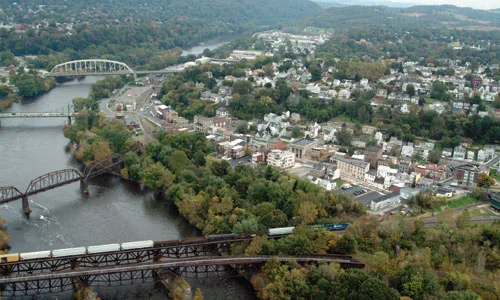
Phillipsburg sits at the confluence of the Delaware and Lehigh Rivers, a geographic reality that places large portions of Warren County's oldest town inside or adjacent to documented floodplain zones. That river proximity, combined with a housing stock where many homes predate modern waterproofing, means water intrusion is a routine event rather than a rare emergency.
RDC Restoration has served Phillipsburg and surrounding Warren County communities for over 28 years with IICRC-certified crews available around the clock. Property owners here rely on a full range of mitigation and rebuild services:
- Water Damage Restoration - extraction, structural drying, moisture mapping and documentation for insurance
- Flooded Basement Cleanup - pump-out, contents handling, sanitizing and dehumidification of below-grade spaces
- Sewage Cleanup - Category 3 contaminated water removal, antimicrobial treatment and safe material disposal
- Fire Damage Restoration - board-up, debris removal, soot and char remediation, structural cleaning
- Smoke Damage Restoration - odor neutralization, HVAC decontamination, surface and contents cleaning
- Mold Removal - inspection, containment, HEPA filtration, remediation and post-work verification
Fast response limits secondary damage. Water left standing past the first day begins feeding mold colonies, and smoke residues turn acidic within hours, etching metal, glass and finished surfaces permanently.
Common Damage Restoration Issues in Phillipsburg, New Jersey
The town's terrain drops steeply from the Marble Hill ridge down toward the Delaware, funneling stormwater into low-lying South Side and riverfront streets. That topography drives most of the calls we field.
Frequent Causes of Loss
- River and creek backwater during sustained rain or rapid snowmelt
- Hydrostatic pressure pushing groundwater through stone and block foundation walls
- Combined and aging sewer laterals backing up into basement floor drains
- Frozen and burst supply lines in uninsulated crawl spaces and exterior walls
- Failed sump pumps during extended power outages
- Chimney and flue fires in older homes with original masonry
- Kitchen grease fires that spread smoke through entire floor plans
- Hidden mold growth behind finished basement paneling and under carpet pad
Warning Signs Worth Acting On
- Musty or earthy odor that intensifies in humid weather
- White chalky efflorescence on foundation walls
- Buckling baseboards, cupping hardwood or bubbling paint
- Rust rings around water heater bases or sump pit edges
- Gurgling drains or slow toilets - often the first hint of a sewer lateral problem
- Persistent smoke smell returning during humid days after a small fire
- Unexplained allergy or asthma symptoms that ease when occupants leave the house
Ignoring these signals rarely saves money. A damp basement wall addressed early is a drying and remediation project; the same wall a year later often involves framing replacement and full mold containment.
Neighborhoods We Serve in Phillipsburg
Crews dispatch throughout the town and the wider Warren County corridor, with response tailored to the drainage and construction realities of each area.
- South Side - low elevation near the river, frequent basement flooding and sewer backup calls
- Marble Hill - steep slopes where runoff concentrates against uphill foundation walls
- Downtown and the South Main Street corridor - mixed-use masonry buildings with shared walls and legacy plumbing
- Heckman Street and Warren Street neighborhoods - dense rowhome and twin construction
- Firth Youth Center area and the northern residential blocks
- Surrounding communities - Lopatcong, Pohatcong, Alpha, Greenwich Township, Harmony, Stewartsville, Bloomsbury and Washington
Because attached homes share structural cavities, moisture and smoke migrate between units. Our technicians inspect adjoining properties when the loss occurs in a twin or rowhome so hidden damage does not surface weeks later.
Seasonal Damage Patterns in Phillipsburg
Seasonal Damage Patterns in Phillipsburg
Damage types rotate predictably through the year in the Delaware Valley. Knowing the pattern helps property owners prepare before the call becomes urgent.
- December through February - burst pipes during hard freezes, ice damming on older roofs, and heating-related fires from furnaces, space heaters and wood stoves. Smoke damage claims peak here.
- March and April - snowmelt plus spring rain raises river and groundwater levels; flooded basements and sump pump failures dominate.
- May and June - rising humidity activates mold spores in basements that stayed damp through spring. Mold inspection requests climb sharply.
- July and August - severe thunderstorms drop heavy rain in short bursts, overwhelming storm drains and sewer laterals. Sewage backup calls spike.
- September and October - tropical remnants moving up the coast bring the year's most damaging flood events, along with wind-driven roof leaks.
- November - first heating cycles ignite dust and creosote buildup; chimney fires and smoke odor complaints increase.
Preventive steps timed to the season - testing sump pumps in February, cleaning chimneys in October, checking dehumidifier performance in May - reduce the odds of an emergency call considerably.
Housing Characteristics & Restoration Considerations
Phillipsburg is one of New Jersey's older industrial towns, and much of its housing dates from the late 1800s through the mid-twentieth century. That age shapes every restoration decision.
Construction Features Common Here
- Fieldstone and rubble foundations that wick moisture continuously
- Unfinished or partially finished basements used for storage and laundry
- Balloon-framed walls that allow water, smoke and fire to travel vertically without firestops
- Plaster over wood lath, which holds water far longer than drywall
- Attached twins and rowhomes with shared party walls
- Cast iron and clay sewer laterals prone to root intrusion and cracking
- Original wood floors, trim and staircases worth salvaging rather than replacing
How That Changes the Work
- Moisture readings are taken at multiple depths, since plaster and stone read dry at the surface while saturated behind.
- Drying plans use controlled airflow and desiccant or refrigerant dehumidification rather than aggressive heat that can crack historic plaster and warp trim.
- Cavity drying equipment reaches inside balloon-framed walls without full demolition.
- Any renovation-era material disturbed during fire or water work is treated cautiously - asbestos-containing tile, insulation and lead-based paint are realistic possibilities in pre-1978 homes.
- Contents in below-grade storage are inventoried, cleaned or documented for the claim before disposal.
The goal in older Phillipsburg homes is targeted removal - taking out what cannot be saved while preserving the original materials that give these properties their value.
Environmental Conditions & Damage Implications
Local climate and geology work against dry buildings for much of the year, which is why drying standards matter more here than in arid regions.
Conditions That Drive Damage
- Humid continental climate - summer dew points regularly sit in the upper 60s, slowing evaporation and sustaining mold growth
- Annual precipitation above the national average, delivered in increasingly intense storm events
- Limestone and shale bedrock in the Delaware Valley, with fractures that move groundwater quickly toward foundations
- Clay-heavy and silty soils that hold water against basement walls instead of draining away
- High water table across South Side and other riverfront blocks
- Legacy industrial soils in parts of town, which affect how flood-contacted materials are handled and disposed of
What This Means for Restoration
- Structural drying targets specific moisture content values verified with meters, not visual judgment alone.
- Dehumidification runs long enough to pull moisture out of masonry and framing, not just surface air.
- Any water contacting soil or entering through a foundation is treated as potentially contaminated and handled under Category 2 or 3 protocols.
- Mold remediation includes negative-pressure containment and HEPA air scrubbing so spores are not redistributed through the home.
- Post-remediation verification confirms conditions before rebuild begins.
Air quality inside a damaged Phillipsburg home often improves noticeably once drying and filtration are complete - a benefit occupants with asthma or allergies report immediately.
Sewer Backups and Category 3 Water in Phillipsburg's Older Infrastructure
Few losses are as disruptive as sewage entering a basement, and Phillipsburg's aging clay and cast iron laterals make it a recurring problem. Heavy rain infiltrates cracked lines, overwhelms capacity, and pushes contaminated water back through the lowest fixture in the house - usually a basement floor drain, laundry tub or shower.
Why Category 3 Water Requires Different Handling
- It carries bacteria, viruses, parasites and organic waste that pose direct health risks
- Porous materials it touches - carpet, pad, drywall, insulation, particleboard - generally cannot be restored
- Contaminants aerosolize during cleanup without proper containment and filtration
- Residual bacteria feed mold growth long after visible water is gone
Our Response Process
- Safety assessment - electrical hazards, gas appliances and structural concerns are addressed before entry.
- Containment - the affected zone is isolated with barriers and negative air pressure to protect the rest of the home.
- Extraction - truck-mounted and portable equipment removes bulk contaminated water and solids.
- Controlled demolition - unsalvageable porous materials are cut out and bagged for regulated disposal.
- Cleaning and antimicrobial application - all remaining surfaces are washed, treated and detailed, including framing and concrete.
- Structural drying - air movers and dehumidifiers run until documented moisture targets are met.
- Verification and documentation - readings, photos and scope notes are compiled for the insurance carrier.
Work follows IICRC S500 standards for water damage and S520 for mold remediation, with technicians in full personal protective equipment throughout. Property owners receive documentation supporting their claim, and where a failing lateral or grading issue caused the event, we identify it so the same basement is not flooded again next storm season. Call 973-832-4540 any hour for emergency dispatch across Phillipsburg and Warren County.





