
Damage Restoration in Hackettstown, NJ
- Damage Restoration Services Overview
- Common Damage Restoration Issues in Hackettstown, New Jersey
- Neighborhoods We Serve in Hackettstown
- Seasonal Damage Patterns in Hackettstown
- Housing Characteristics & Restoration Considerations
- Environmental Conditions & Damage Implications
- Insurance Documentation and IICRC Standards for Warren County Claims
Damage Restoration Services Overview
Damage that sits untreated rarely stays contained. A damp subfloor becomes warped hardwood, then a mold colony behind the baseboard, then a structural repair bill that dwarfs the original loss. Smoke residue left on drywall keeps acidifying paint and metal for months after the flames are out.
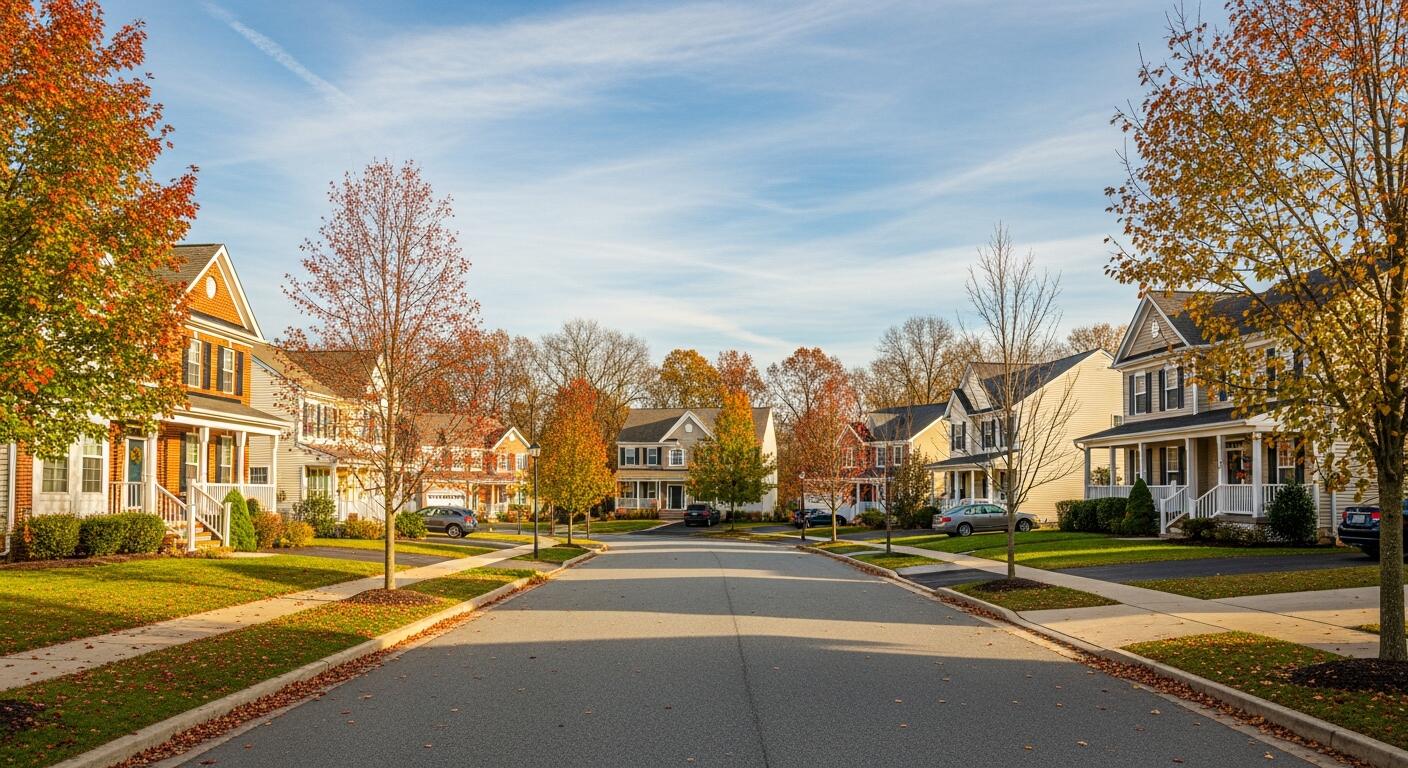
Hackettstown property owners deal with a mix of older housing stock, Musconetcong River proximity, and freeze-thaw winters that stress plumbing and foundations. Restoration work here needs to account for all three.
Services available across Warren County properties include:
- Water Damage Restoration - extraction, structural drying, moisture mapping, and controlled dehumidification
- Flooded Basement - pump-out, sump failure response, content removal, and below-grade drying
- Sewage Cleanup - Category 3 water handling, pathogen decontamination, and affected material disposal
- Fire Damage Restoration - debris removal, structural stabilization, soot cleaning, and reconstruction coordination
- Smoke Damage Restoration - thermal fogging, HEPA air scrubbing, odor sealing, and HVAC decontamination
- Mold Removal - containment barriers, negative air pressure, antimicrobial treatment, and clearance testing
Benefits for local homeowners and business operators:
- IICRC-certified technicians following recognized S500 and S520 standards
- 24/7 availability with roughly 60-minute response across the Hackettstown area
- Direct insurance billing and documented moisture readings for claims
- Both residential and commercial capability, including storm damage restoration
Common Damage Restoration Issues in Hackettstown, New Jersey
Hackettstown sits in a river valley with rolling terrain, older municipal infrastructure in the downtown core, and newer subdivisions on former farmland. Each brings its own failure patterns.
Frequent Local Causes
- Musconetcong River and tributary flooding - heavy rain and rapid snowmelt push water into low-lying basements and crawlspaces
- Frozen and burst supply lines - uninsulated pipes in older Main Street-area homes fail during January cold snaps
- Sump pump and battery backup failure - power outages during nor'easters leave below-grade spaces unprotected
- Sewer backups - combined stormwater surges and aging lateral lines force contaminated water into finished basements
- Chimney, wood stove, and space heater fires - common in older homes heating through Warren County winters
- Kitchen grease fires - a leading cause of smoke damage in both apartments and single-family homes
- Roof and ice dam leaks - trapped meltwater migrates into attic insulation and wall cavities
Warning Signs Worth Acting On
- Musty or earthy odor in basements, closets, or near HVAC returns
- Tide lines, staining, or efflorescence on foundation walls
- Cupping hardwood, bubbling paint, or soft drywall at floor level
- Persistent smoke smell that returns on humid days after a fire
- Unexplained allergy or respiratory symptoms that ease when you leave the house
- Gurgling floor drains or slow fixtures signaling a lateral line issue
Early intervention narrows the scope of work dramatically. Waiting turns a drying job into a demolition and rebuild.
Neighborhoods We Serve in Hackettstown
Coverage extends throughout Hackettstown proper and into the surrounding Warren and Morris County communities.
- Downtown Hackettstown and the Main Street corridor - older mixed-use buildings and apartments above storefronts
- Willow Grove Street and Grand Avenue areas - established single-family neighborhoods
- Centenary University vicinity - student rentals and multi-unit properties
- Mountain Avenue and Schooley's Mountain approaches - hillside homes with drainage concerns
- Independence Township, Allamuchy, and Panther Valley
- Mansfield Township and Port Murray
- Long Valley, Washington Township, and Budd Lake
- Great Meadows, Hope, and Belvidere
- Netcong, Stanhope, and Mount Olive
Commercial clients include restaurants, retail spaces, medical offices, warehouses along the Route 46 and Route 57 corridors, and multi-family property managers.
Seasonal Damage Patterns in Hackettstown
Winter (December - February)
- Burst pipes in unheated basements, crawlspaces, and exterior walls
- Ice dams forcing meltwater under shingles into attics
- Peak heating-related fire and smoke damage from furnaces, chimneys, and portable heaters
Spring (March - May)
- Snowmelt combined with spring rain saturates soil and overwhelms sump systems
- Flooded basements spike near the Musconetcong River and low-lying lots
- Sewage backups increase as stormwater loads municipal lines
- Mold growth accelerates once indoor temperatures rise above 60°F
Summer (June - August)
- Humidity above 60% drives mold in basements, attics, and behind wallpaper
- Severe thunderstorms and remnant tropical systems cause roof and window intrusion
- Air conditioning condensate line clogs create slow, hidden leaks
- Electrical fires tied to overloaded circuits and cooling demand
Fall (September - November)
- Nor'easters and hurricane remnants bring wind-driven rain and power loss
- Clogged gutters send water down foundation walls
- Chimney and flue fires as wood stoves and fireplaces restart
- Ideal window for pre-winter moisture inspections and sump testing
Housing Characteristics & Restoration Considerations
Hackettstown's housing spans roughly two centuries. Victorian and early 20th-century homes cluster near the downtown, mid-century ranches and capes fill the surrounding blocks, and 1990s-through-2000s colonials occupy the outer developments.
How Age and Construction Shape the Work
- Pre-1940 homes - stone or rubble foundations, plaster-and-lath walls, and balloon framing that lets water and smoke travel vertically between floors
- 1940s-1970s properties - potential asbestos in floor tile, pipe wrap, and joint compound, plus lead paint requiring RRP-compliant handling during fire and water repairs
- 1980s-2000s construction - finished basements with carpet, paneling, and framed walls that trap moisture behind vapor barriers
- Newer builds - tighter envelopes hold humidity and smoke odor longer, demanding aggressive air exchange
Restoration Implications
- Plaster dries slower than drywall and often needs injection drying rather than removal
- Stone foundations wick groundwater continuously, so mold remediation must address the source, not just the surface
- Balloon-framed walls require cavity inspection with thermal imaging and borescopes after any fire or flood
- Hardwood over subfloor may be salvageable with mat drying systems if addressed quickly
- Finished basement materials - carpet pad, MDF trim, paper-faced drywall - are usually non-salvageable after Category 3 sewage exposure
Typical restoration projects in the area fall somewhere between $1,500 and $9,000 or more depending on scope. These figures are general estimates only and not a quote.
Environmental Conditions & Damage Implications
Hackettstown's climate and geology shape how damage behaves inside a structure.
Climate
- Humid continental pattern with roughly 47 inches of annual precipitation
- Summer dew points regularly push indoor relative humidity past mold-friendly thresholds
- Winter freeze-thaw cycling opens hairline foundation cracks year after year
- Snowfall averaging 25-35 inches annually feeds spring saturation
Soil and Groundwater
- Glacial till and limestone bedrock across the Musconetcong Valley limit percolation in places
- Clay-heavy pockets hold water against foundation walls and drive hydrostatic pressure
- Shallow water tables near the river keep basements chronically damp
- Karst limestone features in parts of Warren County can create unpredictable drainage
Air and Water Quality Factors
- Hard water is common, and mineral scaling stresses supply lines and water heaters
- Radon is a known concern in this part of New Jersey - basement sealing during restoration should account for mitigation systems
- Seasonal pollen and outdoor particulates load HVAC filters, which then recirculate smoke and mold spores
What This Means for Restoration
- Drying plans use dehumidification sized to actual grain depression, not guesswork
- Mold remediation includes vapor and drainage corrections so growth does not return
- Sewage cleanup follows Category 3 protocols with full PPE and disposal documentation
- Smoke odor treatment addresses ductwork, since it is the fastest path for residue to spread
Insurance Documentation and IICRC Standards for Warren County Claims
Most Hackettstown restoration projects run through a homeowners or commercial policy. How the loss is documented in the first 24 hours often determines what the carrier approves.
What Proper Documentation Includes
- Time-stamped photos of affected areas before any material is removed
- Moisture readings logged from unaffected reference points and affected materials
- Thermal imaging showing the full migration path of water behind walls and under flooring
- Psychrometric records - temperature, relative humidity, and grain per pound - tracked daily during drying
- Itemized scope written in the estimating software carriers already use
- Clear categorization of water source: clean, gray, or sewage-contaminated
Standards That Govern the Work
- Inspection and classification - the loss is assigned a water category and class under IICRC S500, which dictates what can be dried versus removed
- Containment - physical barriers and negative air pressure isolate the work zone, mandatory for mold under S520 and for sewage cleanup
- Mitigation - extraction and removal of unsalvageable materials happens before drying equipment is placed
- Structural drying - air movers and dehumidifiers are positioned by calculation, with daily readings until materials hit dry standard
- Cleaning and decontamination - HEPA vacuuming, antimicrobial application, and soot-specific cleaning methods matched to residue type
- Verification - final moisture confirmation, or third-party clearance testing for mold projects
Practical Notes for Hackettstown Property Owners
- Report the loss to your carrier promptly, but do not wait for an adjuster to begin mitigation - policies require reasonable steps to prevent further damage
- Keep damaged items until they are photographed and inventoried
- Sewage and flood losses may fall under separate flood coverage rather than standard homeowners policy
- Ask for written moisture logs; they are your evidence if a claim is questioned later
Working with IICRC-certified technicians who bill insurance directly keeps the paperwork aligned with the physical work and reduces the chance of a denied or underpaid claim.





