
Damage Restoration in Jenks, OK
- Damage Restoration Services Overview
- Common Damage Restoration Issues in Jenks, Oklahoma
- Neighborhoods We Serve in Jenks
- Seasonal Damage Patterns in Jenks
- Housing Characteristics & Restoration Considerations
- Environmental Conditions & Damage Implications
- Arkansas River Proximity & Flood Restoration Challenges
Damage Restoration Services Overview
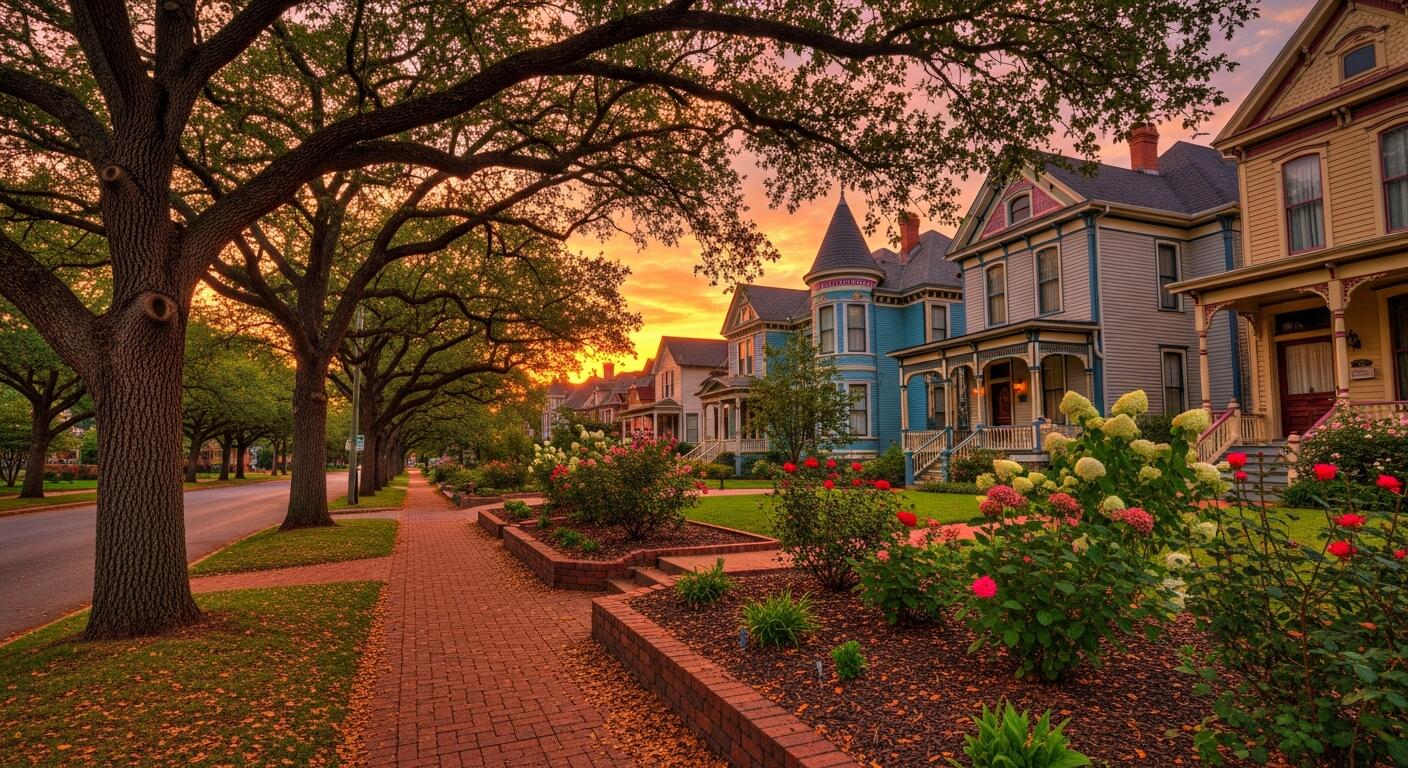
Delaying damage restoration can transform minor issues into major financial disasters. Water that sits for just 24-48 hours creates perfect conditions for mold growth, while fire damage compounds daily as soot and smoke residue continue eating away at surfaces and belongings.
Jenks residents face unique restoration challenges due to the area's climate patterns and housing characteristics. Professional restoration services address multiple damage types with specialized equipment and proven techniques:
- Water Damage Restoration - Emergency extraction, structural drying, and moisture monitoring
- Flooded Basement - Complete water removal, foundation assessment, and waterproofing solutions
- Sewage Cleanup - Safe contaminated water removal and thorough sanitization
- Fire Damage Restoration - Structural repair, content cleaning, and odor elimination
- Smoke Damage Restoration - Deep cleaning, air purification, and surface restoration
- Mold Removal - Professional remediation, air quality testing, and prevention strategies
Fast response times make the difference between minor repairs and complete reconstruction. Professional restoration teams use industrial-grade dehumidifiers, air movers, and specialized cleaning agents to restore properties efficiently while preventing secondary damage.
Common Damage Restoration Issues in Jenks, Oklahoma
Jenks' location along the Arkansas River creates specific vulnerability patterns that residents should recognize. The area's clay soil and seasonal weather fluctuations contribute to various damage scenarios throughout the year.
Water-related issues dominate local restoration calls:
- Basement flooding from spring storms and rapid snowmelt
- Burst pipes during winter freeze-thaw cycles
- Sewage backups from overwhelmed municipal systems during heavy rainfall
- Foundation seepage due to expansive clay soil movement
- HVAC condensation problems in humid summer months
Fire and smoke damage patterns reflect local conditions:
- Kitchen fires from cooking accidents in older homes
- Electrical fires in properties with outdated wiring
- Wildfire smoke infiltration during Oklahoma's fire season
- Furnace malfunctions during peak heating periods
Mold growth accelerates in Jenks' humid climate, particularly in:
- Poorly ventilated bathrooms and basements
- Areas with previous water damage
- Crawl spaces with inadequate moisture barriers
- Attics with roof leak history
Warning signs include musty odors, visible discoloration, increased allergy symptoms, and unexplained moisture accumulation. Early detection prevents extensive remediation projects.
Neighborhoods We Serve in Jenks
Our restoration teams provide comprehensive services throughout Jenks and surrounding communities. Coverage includes all residential and commercial areas within the greater Jenks region.
Primary service areas include:
- Downtown Jenks - Historic district properties and riverfront homes
- Jenks West - Established neighborhoods with mature trees
- River Districts - Properties near the Arkansas River corridor
- New developments - Recently constructed subdivisions
- Rural properties - Acreage homes and agricultural buildings
Extended service coverage reaches:
- Glenpool residential areas
- Bixby community districts
- Tulsa County rural properties
- Creek County border areas
Each neighborhood presents unique restoration challenges based on housing age, construction methods, and environmental exposure. Our teams adapt techniques and equipment to match specific area requirements and local building characteristics.
Seasonal Damage Patterns in Jenks
Understanding Jenks' seasonal damage patterns helps property owners prepare for peak risk periods and recognize when professional restoration services become necessary.
Spring (March-May) brings the highest water damage risks:
- Severe thunderstorms causing roof leaks and basement flooding
- Rapid snowmelt overwhelming drainage systems
- Foundation settling from soil moisture changes
- Increased mold growth from humidity spikes
Summer (June-August) creates different challenges:
- HVAC system failures during peak cooling demands
- Condensation issues in poorly ventilated spaces
- Electrical fires from overloaded cooling systems
- Wildfire smoke infiltration during dry periods
Fall (September-November) presents moderate risks:
- Chimney and heating system malfunctions
- Leaf accumulation blocking drainage
- Early freeze damage to exposed pipes
Winter (December-February) focuses on cold-weather damage:
- Frozen pipe bursts during temperature drops
- Ice dam formation causing roof leaks
- Heating system fires from maintenance neglect
- Carbon monoxide issues from blocked vents
Housing Characteristics & Restoration Considerations
Jenks' housing stock reflects decades of growth, with construction spanning from early 1900s farmhouses to modern subdivisions. This diversity creates specific restoration challenges that require tailored approaches for different property types.
Older homes (pre-1980) commonly feature:
- Pier and beam foundations - Vulnerable to moisture intrusion and settling
- Plaster walls - Require specialized drying techniques after water damage
- Knob-and-tube wiring - Higher fire risk requiring careful restoration planning
- Cast iron plumbing - Prone to corrosion and sewage backup issues
- Hardwood flooring - Needs immediate attention during water damage events
Newer construction (1980-present) typically includes:
- Slab foundations - Different water damage patterns and drying requirements
- Drywall construction - Faster water absorption but easier replacement
- Modern electrical systems - Lower fire risk but sensitive to water exposure
- PVC plumbing - More reliable but still susceptible to freeze damage
- Engineered materials - Require specific restoration techniques
Ranch-style homes dominate Jenks neighborhoods, creating particular restoration considerations:
- Large attic spaces prone to mold growth
- Extensive ductwork vulnerable to contamination
- Single-story layouts allowing rapid damage spread
- Attached garages creating fire and smoke pathways
Multi-story homes present different challenges with vertical damage migration and complex drying patterns requiring specialized equipment placement and monitoring.
Environmental Conditions & Damage Implications
Jenks sits in a humid subtropical climate zone with specific environmental factors that directly impact damage restoration needs. Understanding these conditions helps property owners recognize vulnerability patterns and prepare for common restoration scenarios.
Climate characteristics affecting restoration include:
- High humidity levels - Summer averages of 60-70% relative humidity
- Temperature extremes - Range from below freezing to over 100°F
- Severe weather frequency - Tornado alley location with frequent storms
- Precipitation patterns - Annual average of 40+ inches with spring peaks
Soil composition creates foundation-related issues:
- Expansive clay soil - Swells and contracts with moisture changes
- Poor drainage characteristics - Water retention around foundations
- Seasonal movement - Creates cracks allowing water and pest entry
- Hydrostatic pressure - Forces water through basement walls and floors
Air quality factors impact restoration approaches:
- Seasonal allergens requiring specialized filtration during mold remediation
- Dust storms necessitating thorough post-fire cleaning protocols
- Industrial emissions affecting smoke damage assessment procedures
- Agricultural activities influencing outdoor air exchange during restoration
Water table variations affect basement and crawl space moisture control strategies. Spring water table rises increase hydrostatic pressure, while summer drawdown creates different foundation settlement patterns requiring adaptive restoration techniques.
Arkansas River Proximity & Flood Restoration Challenges
Jenks' location along the Arkansas River creates unique flood restoration challenges that require specialized expertise and equipment. River proximity affects both immediate flood response and long-term moisture management strategies for area properties.
River-related damage patterns include:
- Flash flooding from upstream dam releases and heavy rainfall
- Groundwater infiltration during high river stages
- Sewer system backups when municipal systems become overwhelmed
- Contaminated floodwater requiring specialized cleanup protocols
- Prolonged moisture exposure creating extensive mold growth
Riverfront properties face additional restoration complexities:
- Access limitations - Equipment transport challenges during active flooding
- Contamination levels - River water carries bacteria, chemicals, and debris
- Structural assessment - Foundation undermining from water flow and erosion
- Utility complications - Electrical and plumbing systems compromised by flooding
- Insurance considerations - Flood vs. water damage coverage distinctions
Professional restoration teams use specialized approaches for river flood damage:
- Contaminated water extraction with proper disposal protocols
- Antimicrobial treatments for bacteria and pathogen elimination
- Structural drying with commercial-grade dehumidification systems
- Air quality monitoring throughout the restoration process
- Preventive treatments to inhibit future mold growth
Post-flood restoration extends beyond immediate damage repair. Teams assess long-term moisture intrusion patterns, recommend foundation waterproofing solutions, and implement monitoring systems to detect future water infiltration. This comprehensive approach protects properties from recurring river-related damage while maintaining healthy indoor environments for residents.





