
Damage Restoration in Newton, NJ
- Damage Restoration Services Overview
- Common Damage Restoration Issues in Newton, New Jersey
- Neighborhoods We Serve in Newton
- Seasonal Damage Patterns in Newton
- Housing Characteristics & Restoration Considerations
- Environmental Conditions & Damage Implications
- The 24/7 Emergency Response Process for Newton Properties
Damage Restoration Services Overview
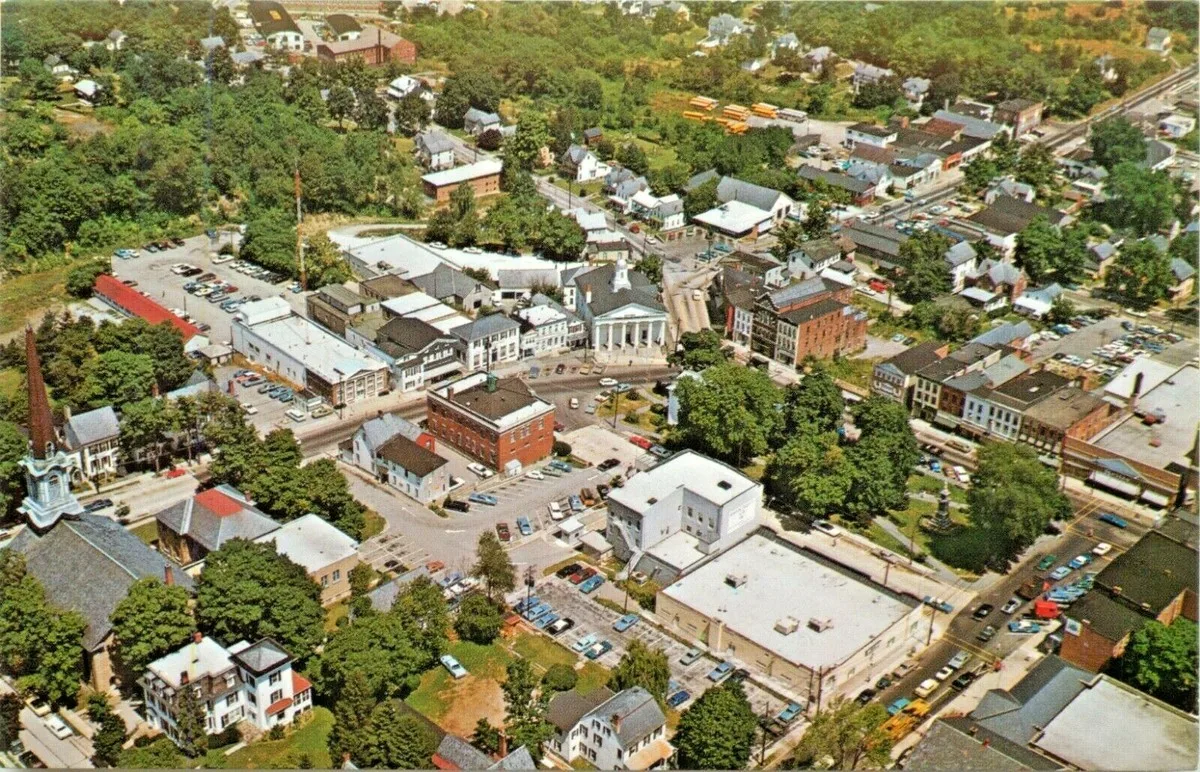
Newton sits in a bowl of Sussex County highlands where snowmelt, clay-heavy soil, and housing stock that predates modern drainage combine to push water where it does not belong. That geography shapes nearly every restoration call in town, from saturated basements off Spring Street to smoke-stained apartments above the Newton business district.
Property owners here rely on a full spectrum of emergency and reconstruction work:
- Water Damage Restoration - extraction, structural drying, and moisture mapping after burst pipes, appliance failures, and roof leaks.
- Flooded Basement - pump-outs, sump failure response, and drying of below-grade living space and storage areas.
- Sewage Cleanup - safe removal of Category 3 contamination from backups, septic overflow, and main line failures.
- Fire Damage Restoration - stabilization, debris removal, soot cleanup, and structural repair.
- Smoke Damage Restoration - odor neutralization, HVAC decontamination, and content cleaning after even small kitchen or furnace fires.
- Mold Removal - containment, controlled remediation, and correcting the moisture source behind the growth.
The benefit of coordinating these services under one response is continuity. Water problems become mold problems, and fire events almost always include water intrusion from suppression efforts. Handling drying, cleaning, and rebuild as a single sequence protects Newton homes from the second wave of damage that follows the first.
Common Damage Restoration Issues in Newton, New Jersey
Newton's damage patterns trace back to three local realities: aging municipal and private infrastructure, elevation changes that funnel runoff toward foundations, and long, cold winters that stress plumbing.
Frequent Causes of Loss
- Frozen and burst supply lines in unheated crawl spaces, garages, and exterior walls of older homes
- Sump pump failure during rapid thaw or extended rain, leading to flooded basements
- Sewer backups and septic surcharge when groundwater saturates drain fields
- Aging cast iron and clay laterals cracking under root intrusion
- Chimney, wood stove, and space heater fires during the heating season
- Kitchen grease fires that spread smoke and soot through open floor plans
- Hidden mold behind finished basement paneling and under carpet padding
Warning Signs Newton Homeowners Should Not Ignore
- Efflorescence, white chalky streaking, or dark staining on foundation walls
- A musty odor that intensifies after rain or when the HVAC blower runs
- Gurgling floor drains or slow basement fixtures during heavy storms
- Cupping hardwood, bubbling paint, or soft baseboards
- Yellow-brown soot ghosting above outlets, doorways, and ceiling corners
- Persistent smoke smell that returns in humid weather after surface cleaning
Seasonality matters. Late winter thaw stacks groundwater against foundations, spring rain overwhelms older drainage, and summer humidity turns any lingering moisture into an active mold colony within days.
Neighborhoods We Serve in Newton
Coverage spans the town green and radiates outward across Sussex County.
- Downtown Newton - Spring Street storefronts, mixed-use buildings, and upper-floor apartments
- Newton Historic District - older frame and masonry homes near the county courthouse
- Grandview Drive and Woodside - established residential streets with finished basements
- Halsted Street and Sparta Avenue corridors - single-family and multi-family properties
- Memory Park and Merriam Avenue areas - low-lying lots prone to runoff
Service also extends to surrounding Sussex County communities including Andover, Fredon, Hampton Township, Stillwater, Sparta, Lafayette, Branchville, Hopatcong, and Franklin Borough. Familiarity with local building departments, septic conditions, and township permit expectations keeps reconstruction moving after emergency work is finished.
Seasonal Damage Patterns in Newton
Each season brings a distinct restoration profile to northwestern New Jersey.
- December through February - Frozen pipe bursts peak during deep cold snaps. Heating equipment, chimneys, and fireplaces drive the majority of fire and smoke damage calls.
- March and April - Snowmelt combined with spring rain saturates soil and produces the heaviest volume of flooded basement and sump failure work. Sewage backups climb as groundwater infiltrates older lines.
- May and June - Rising humidity activates mold growth in basements and crawl spaces that stayed damp through spring.
- July and August - Thunderstorms, tropical remnants, and power outages cause sump downtime and roof leaks. Air conditioning condensate line clogs create slow, hidden water damage.
- September and October - Storm-driven water intrusion continues while first-use furnace and flue issues start generating smoke damage calls.
- November - Early freezes catch outdoor spigots and unwinterized lines before homeowners have shut them down.
Preventive scheduling ahead of each shift - sump testing in February, dehumidifier checks in May, chimney inspection in September - reduces emergency exposure considerably.
Housing Characteristics & Restoration Considerations
Newton's building stock skews old, which changes how every restoration project is approached. Much of the town's housing predates World War II, with Victorian, Colonial, and early twentieth-century frame homes clustered near the historic core and mid-century ranches and split-levels filling out the surrounding streets.
How Construction Type Affects the Work
- Stone and rubble foundations - porous and irregular, they absorb water readily and require extended drying with targeted air movement rather than standard basement setups.
- Balloon-frame walls - open stud cavities let water and smoke travel vertically between floors, so inspection has to reach well beyond the visible damage.
- Plaster and lath - holds moisture longer than drywall and demands careful moisture readings before any decision to remove or preserve.
- Knob-and-tube or updated partial wiring - influences safe demolition sequencing after fire and water events.
- Finished basements - paneling, carpet, and framed walls trap moisture against foundations, a leading source of hidden mold.
- Downtown mixed-use buildings - shared walls and stacked plumbing mean one unit's loss often affects neighbors above and below.
Practical Implications
- Older homes frequently have galvanized or cast iron drain lines vulnerable to sewage backups
- Historic trim and millwork often warrant cleaning and restoration rather than replacement
- Smoke odor embeds deeply in original wood, plaster, and horsehair insulation, requiring sealing after cleaning
- Septic systems on properties at the town edges add contamination considerations during flooding
Environmental Conditions & Damage Implications
Newton's climate and geology work against dry buildings for much of the year. The town averages well over forty inches of precipitation annually plus meaningful snowfall, and summer dew points routinely push indoor humidity past the threshold where mold becomes active.
Local Conditions That Drive Damage
- Glacial till and clay-rich soil - drains slowly, holding water against foundation walls and increasing hydrostatic pressure after storms
- Limestone bedrock and shallow water tables - contribute to seepage through floor slabs and cove joints
- Rolling terrain - directs surface runoff toward homes built on downslope lots
- Freeze-thaw cycling - opens hairline cracks in foundations and masonry each winter
- Hard well water in outlying areas - accelerates scaling and corrosion in supply lines and water heaters
- Humid summers - keep basements above 60 percent relative humidity without active dehumidification
What This Means for Restoration
- Drying plans must account for slow-release moisture from masonry and concrete, not just surface water
- Mold remediation requires solving the groundwater or humidity source, otherwise regrowth follows
- Sewage cleanup near septic properties needs full contamination protocols including affected soil and subfloor
- After fire events, cold-season air exchange and negative pressure containment help pull smoke particulate out without spreading it
- Post-remediation verification with moisture meters and thermal imaging confirms results rather than assuming them
The 24/7 Emergency Response Process for Newton Properties
Speed and sequence determine outcomes. Water becomes contaminated within a day or two, mold establishes within 24 to 48 hours in warm conditions, and acidic soot etches metal, glass, and finishes if left in place. Round-the-clock dispatch across Sussex County exists for exactly that reason.
How a Response Unfolds
- Call intake and dispatch - a technician gathers details, advises on immediate safety steps such as shutting off water or avoiding contaminated areas, and a crew is routed to the Newton address.
- Site safety assessment - electrical hazards, structural stability, and contamination category are evaluated before anyone works in the space.
- Source control - the leak, backup, or intrusion point is stopped or isolated so drying can actually succeed.
- Documentation - moisture readings, thermal images, and photographs are recorded for the insurance file from the first hour forward.
- Extraction and removal - standing water is pumped, unsalvageable porous materials are removed, and soot or debris is cleared.
- Cleaning and decontamination - antimicrobial treatment for water and sewage losses, soot removal and odor counteractants for fire and smoke.
- Structural drying - air movers and dehumidifiers are placed by calculation, with daily readings tracked until materials reach dry standard.
- Verification and walkthrough - a detailed inspection is conducted with the property owner before the job is considered complete.
- Reconstruction - drywall, flooring, trim, and finish work restore the space.
Details That Get Overlooked Elsewhere
- Wall cavities and subfloor layers checked, not just visible surfaces
- HVAC ductwork inspected after smoke events to stop odor recirculation
- Insulation behind finished basement walls evaluated for saturation
- Contents inventoried, cleaned, or documented for claim purposes
- Sump discharge and grading reviewed to reduce repeat flooding





